
“FJCKGW”....The Legend of the Windows XP Master Key: How a Leak Turned an OS into a Global Phenomenon
The Windows XP operating system, launched over two decades ago, remains one of Microsoft's most entrenched and successful releases in history. Its fame is intrinsically linked to a legendary activation key starting with "FCKGW." This sequence was not the result of complex hacking; rather, it was the unauthorized gateway that allowed millions of users to bypass Microsoft's stringent activation protocols and install the system for free on their devices. This vulnerability exposed an early technological battle between the software giant and the hacker community. In this article, we embark on a fascinating journey to explore the story behind the most famous activation key in Windows XP history.

- ✨ The activation key "FCKGW-RHQQ2-YXRKT-8TG6W-2B7Q8" was not the result of sophisticated hacking, but rather an internal leak of a corporate volume licensing activation code.
- ✨ The key belongs to the "Volume Licensing Keys" category, intended for large organizations requiring mass deployment of the software.
- ✨ The leaked version and the key were published by the hacking group "devils0wn" just a few weeks before the system's official launch.
- ✨ This key successfully circumvented Microsoft's Windows Product Activation (WPA) mechanism, leading to the widespread proliferation of unauthorized copies.
Not a Hack, But a Catastrophic Leak
For a long time, the internet consensus suggested that the famous key starting with FCKGW-RHQQ2-YXRKT-8TG6W-2B7Q8 resulted from complex piracy or reverse engineering of the Windows activation system. However, the truth, later revealed by Dave Plummer, a former Microsoft developer who worked on product activation, was much simpler and more shocking: it was a massive internal leak, not the external, widespread hack many had imagined.
The Volume Activation Key
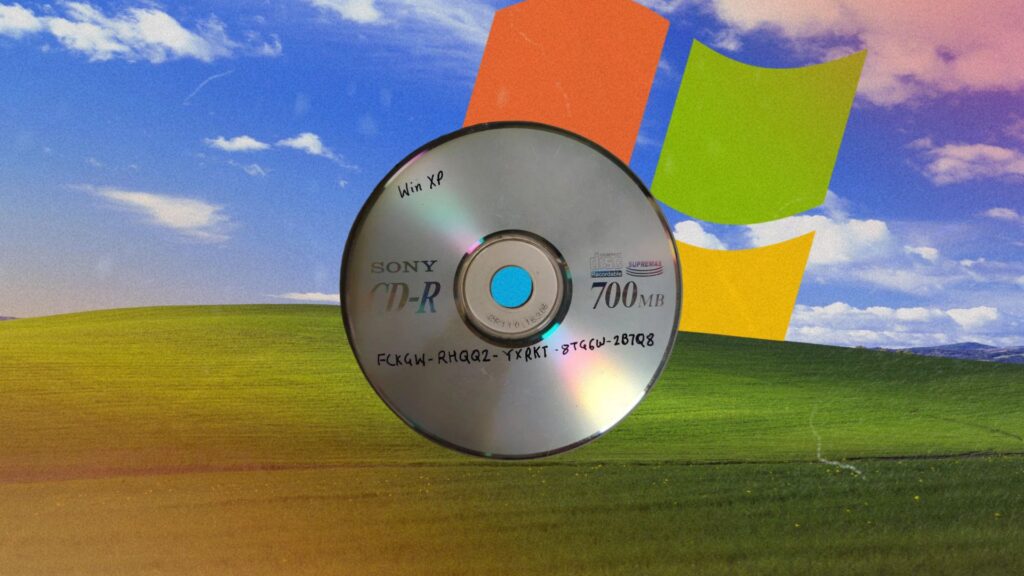
This type of key is classified as a Volume Activation Key. It was never intended for the average end-user. Instead, it was issued to large corporations and institutions that needed to install the Windows XP OS on hundreds or thousands of machines without requiring individual online activation. This key essentially signaled to the system that the installation belonged to a trusted corporate client, allowing it to bypass the verification step via Microsoft's activation servers.
How Did It Work?
When a user installed Windows XP, they would select the option "Yes, I have a product key," and then enter the most famous Windows XP activation key. Because this key was categorized as a corporate activation key, the system did not prompt for online activation or connection to Microsoft servers for verification. This effectively allowed users to install the system for free, bypassing the company's restrictions.
The Disaster Preceding the Launch
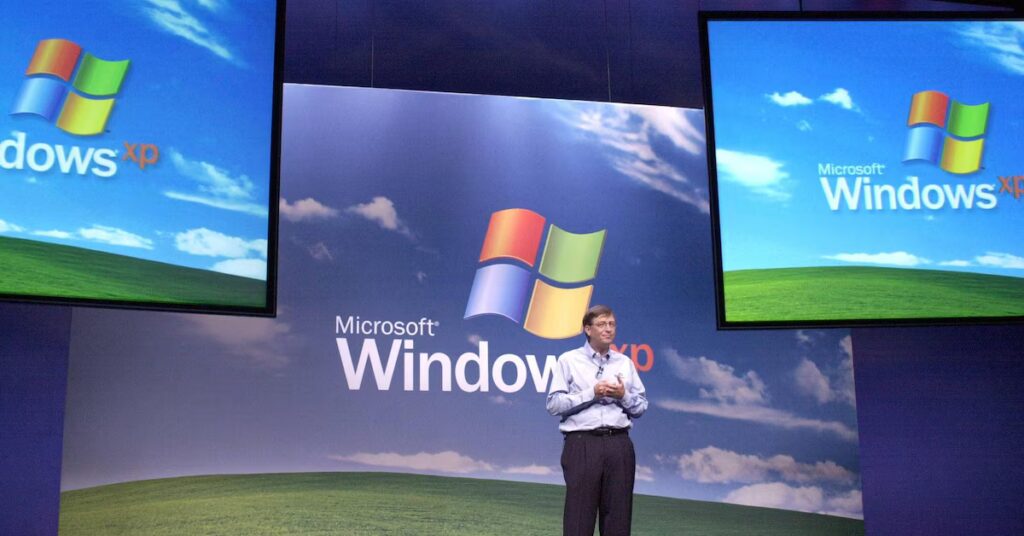
The real disaster struck about five weeks before the scheduled official launch of Windows XP in October 2001. A well-known piracy group called "devils0wn" managed to acquire a corporate version of Windows XP that contained this magical key. As soon as the group posted the Windows XP version online accompanied by the activation key, the new operating system became universally accessible. Any user could enter this key and successfully install the system without needing to connect to Microsoft's servers for validation, leading to the collapse of WPA protection mechanisms amidst millions of subsequently unauthorized installations.
Microsoft's Reaction
Despite the massive spread caused by the activation key, Microsoft faced difficulty in immediately disabling it. While the company could easily blacklist standard retail keys, the FCKGW key required different measures and deeper updates. Eventually, the company issued subsequent updates that revoked the validity of this key, preventing further illegal installations using this specific code. Nevertheless, the FCKGW code has become an immortal icon in technology history to this day.
What was the original purpose of the Volume Activation Key?
The original purpose of the Volume Activation Key was to facilitate the deployment of the operating system in large corporate, governmental, and educational environments, where the system is installed on a huge number of machines without requiring manual activation for each device, thereby reducing the logistical and time costs for companies purchasing licenses in bulk.
Was the FCKGW key always publicly available?
No, it was never officially available to the public. It was a private activation key reserved for Volume Licensing customers. It became available to the public as a result of the internal leak that occurred shortly before the system's launch, allowing users to bypass the activation system intended for individual consumers.
How did Microsoft handle this key later on?
Microsoft later dealt with the issue by releasing security updates and new licenses that effectively blacklisted this Volume Licensing key, rendering it invalid for use in new installations or subsequent updates, thereby diminishing its impact over time.
⚓✨️ In conclusion, the story of the most famous activation key in Windows XP history remains a vivid and astonishing example of how an unplanned technological event can leave a deep mark on the world of technology and software. That key was not just a means to activate an operating system; it became a symbol of an era when digital defenses were still in their infancy, and where human ingenuity (whether for legitimate use or otherwise) possessed remarkable flexibility. Over the years, Microsoft radically changed its strategies, making system activation a more secure and complex process, but that famous key will forever stand as a testament to the first genuine battle between protection efforts and the widespread proliferation of software.
Post a Comment