
Samsung Accelerates HBM4E Development: Entering the Critical Backend Design Phase
The future of high-performance computing hinges on memory technology, and Samsung is making decisive moves in this arena. The company has officially entered the crucial backend design stage for its next-generation High Bandwidth Memory, known as HBM4E. This milestone signifies that over half of the entire development process is now complete, putting Samsung firmly on track for future AI and data center demands.
According to recent reports, Samsung is intensely focused on finalizing the base die design. This foundational component is the bedrock of the entire HBM stack. Industry insiders suggest that the custom HBM4E design is targeted for completion around May or June of this year, showcasing an aggressive development timeline.
For those tracking semiconductor advancements, here are the key takeaways from Samsung's HBM4E push:
- ✨ The backend design for the base die is now underway, marking a significant progression past the halfway point of development.
- ✨ The base die is vital as it manages all data input/output, error correction, and overall memory stability for the stack.
- ✨ Samsung is actively engaging with major clients to integrate special logic functions directly onto the base die to meet bespoke customer requirements.
- ✨ The company has restructured its approach, separating standard and custom HBM teams from HBM4 onward to accelerate innovation and bolster its custom memory business.
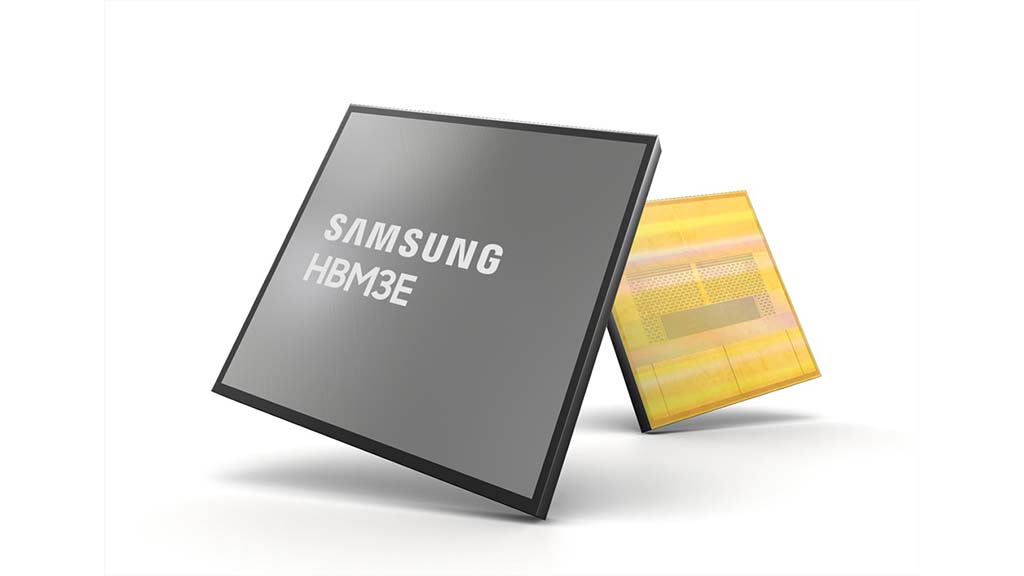
The Significance of the Base Die in HBM Architecture
The base die is arguably the most challenging and time-consuming part of the HBM development cycle, often consuming 60 to 70 percent of the total design duration. This component sits at the very bottom of the memory tower and is responsible for the crucial interface between the memory and the processor (like an AI accelerator).
Engineers currently working on this stage are translating conceptual designs into tangible physical circuits—a process involving meticulous placement, routing, and verification before the design can move to fabrication. The increased demand from customers for tailored HBM solutions, incorporating specific logic blocks right on this base die, underscores why Samsung has recently onboarded an additional 250 engineers dedicated solely to this custom segment.
This dedicated effort is aimed at securing key partnerships with major AI players, including Google, Meta, and NVIDIA. Competitors like SK Hynix and Micron are also reportedly advancing their HBM4E designs, suggesting an intense race in the high-performance memory sector.
Looking ahead, Samsung’s roadmap extends beyond HBM4E. HBM4 is slated for mass production this year, while the even more advanced HBM5 generation is anticipated around 2029. The successful completion of the HBM4E backend design now solidifies the foundation for these future products.
What exactly is the "backend design" phase for an HBM base die?
The backend design phase is where the logical design of the integrated circuit is converted into the physical layout required for manufacturing. This involves placing every transistor, routing all the complex interconnections (wires), and ensuring the resulting physical design adheres to the strict manufacturing rules (Design Rule Checking or DRC) for the chosen process node.
Why are customers requesting custom logic functions on the base die?
Customers are embedding custom logic onto the base die to optimize performance, reduce latency, and improve power efficiency for highly specific AI workloads or specialized processor architectures. Integrating this logic directly saves physical space and avoids the overhead of external chips.
When is Samsung planning to release HBM4E compared to its other generations?
Samsung's roadmap suggests that HBM4 will enter mass production this year, followed by HBM4E, which is tentatively expected around 2027. The successor, HBM5, is projected to arrive around 2029, demonstrating a consistent cadence of memory innovation.
How is Samsung organizing its HBM development efforts?
Starting with HBM4, Samsung has strategically separated its development teams. One team focuses on standard, high-volume HBM products, while a dedicated, expanded custom HBM team works closely with large partners to create tailored memory solutions.
What is the primary challenge Samsung faces in the current HBM market?
The main challenge lies in achieving high manufacturing yields—producing a large volume of defect-free chips. Currently, its main rival, TSMC, is often cited as having a competitive edge in successful yield rates for advanced processes.
🔎 The swift progression into the backend design phase for HBM4E underscores Samsung's commitment to maintaining its competitive edge in the rapidly evolving memory landscape essential for artificial intelligence. By focusing on customization and accelerating development timelines, Samsung aims to secure its position as a leading supplier to the world's biggest technology innovators.
Post a Comment