
Android 17: Revolutionizing Foldables and Camera Performance on Foldable phones, tablets, and desktops Devices
Google recently shared exciting news regarding the next major evolution of its operating system, confirming that the first beta version of Android 17 is on the horizon. Although the initial release saw a slight delay without an official explanation, the wealth of features revealed paints a picture of a more adaptive, high-performance future for mobile users. For Samsung enthusiasts, these changes are particularly significant as they will form the backbone of the upcoming One UI 9 update, which is set to enhance the experience across the latest Galaxy smartphones and tablets.
- ✨ Mandatory Adaptive Apps: Developers must now support resizing and multitasking for large screens.
- ✨ Pro-Grade Camera APIs: Smoother transitions between lenses and better sensor metadata access.
- ✨ Next-Gen Video Support: Integration of Versatile Video Coding (VVC/H.266) for high-quality, small-sized files.
- ✨ Enhanced Connectivity: Improved VoIP integration in the dialer and accurate Wi-Fi ranging.
- ✨ Device Profiles: New simplified permission prompts for fitness trackers and medical devices.
Key Features and Innovations Coming to Android 17
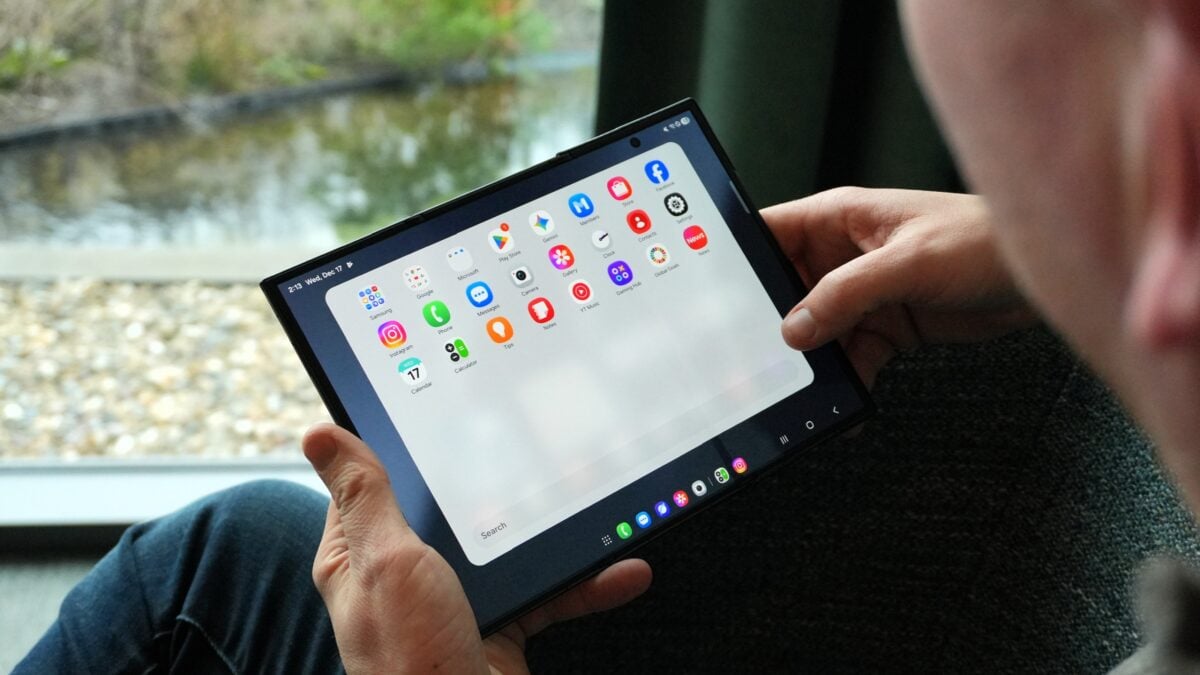
One of the most transformative changes in Android 17 is the new requirement for application developers. Google will no longer allow apps to be locked into specific sizes or orientations. This mandate ensures that software becomes inherently more flexible, which is a massive win for users of the Samsung Galaxy Z Fold and Galaxy Tab series. By forcing apps to support windowed multitasking and resizing natively, the transition between folded and unfolded states will be more seamless than ever before.
Photography and videography are also receiving a major boost. Google is introducing professional-grade camera APIs designed to eliminate the stutters and "hiccups" that often occur when switching between ultrawide, primary, and telephoto lenses. Developers will now have access to metadata from all camera sensors simultaneously. This means that even if you are only using the main lens, the app can "see" through the other sensors to prepare for a smooth zoom transition, making the mobile photography experience feel truly premium.
Connectivity and multimedia are not left behind. The update adds support for Versatile Video Coding (VVC), also known as H.266, which allows for much better video quality while significantly reducing file sizes. Furthermore, VoIP applications like WhatsApp and Telegram will now have the option to integrate directly with the phone’s built-in dialer, making internet calls feel like native cellular calls. For those with smart homes or wearables, new "Fitness Trackers" and "Medical Devices" profiles will allow the system to grant all necessary permissions in a single, convenient prompt.
Expected Release Schedule for Android 17 and One UI 9
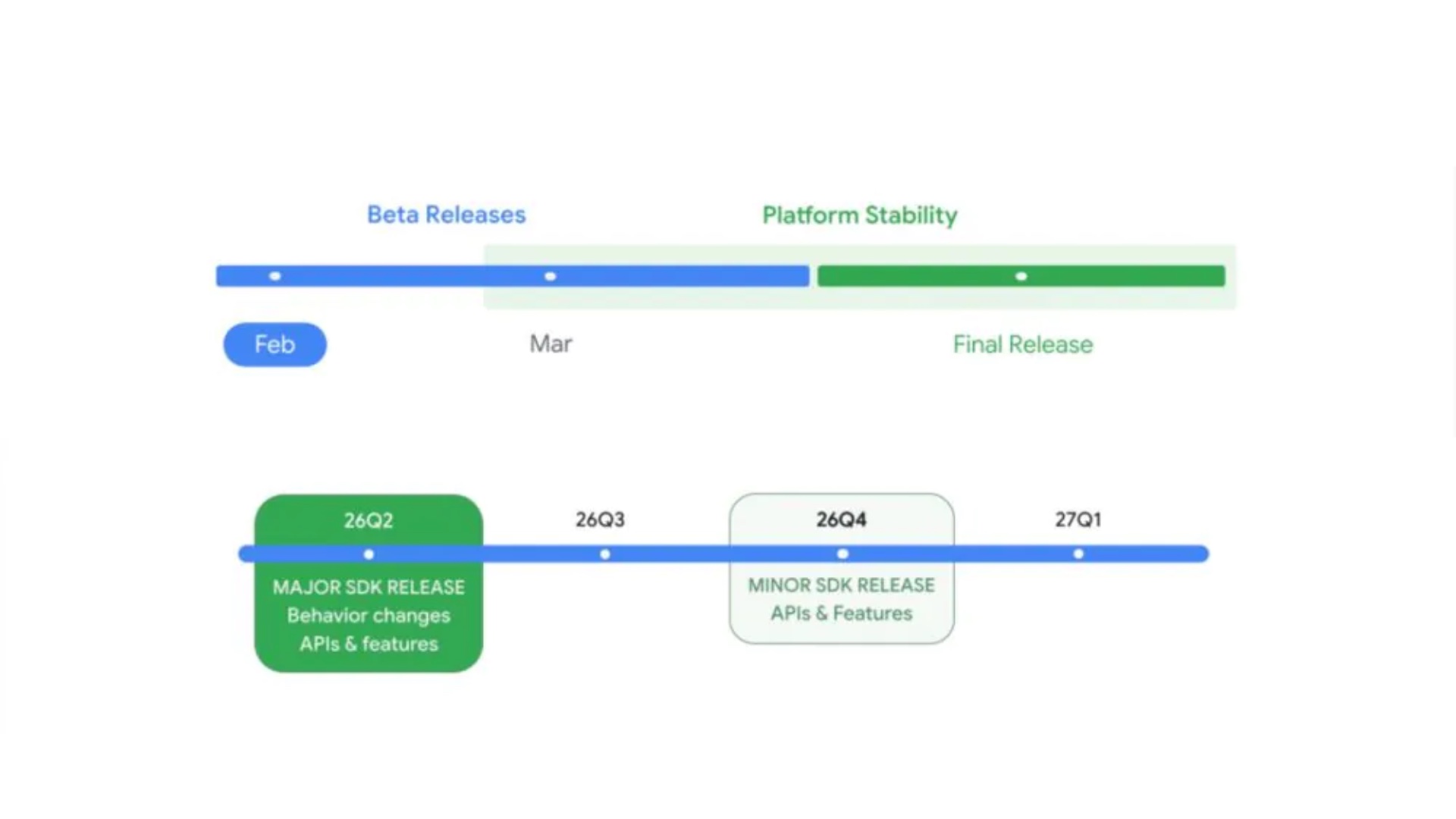
According to the official roadmap provided by Google, we can expect several beta versions to roll out over the coming months. The platform is targeted to reach "Developer Stability" by March 2026. If the schedule holds, the stable version of Android 17 will begin rolling out to Pixel devices around June 2026, with other manufacturers following shortly after.
For Samsung users, the wait for One UI 9—which is based on this new Android version—won't be long. It is highly anticipated that this new software will make its grand debut alongside the Galaxy Z Flip 8 and Galaxy Z Fold 8 during Samsung's summer Unpacked event in June 2026. While many of these initial updates are developer-focused, more user-facing features like advanced gaming modes and enhanced cross-device copy-paste functionality are expected to emerge as we get closer to the stable launch.
Why was the Android 17 beta delayed?
While Google initially planned to release the first beta immediately after the announcement, the rollout was briefly postponed. No official reason was provided, but such delays are common in software development to ensure the initial build is stable enough for public testing.
What are the benefits of Android 17 for tablet users?
The biggest benefit is the mandatory support for adaptive layouts. This prevents apps from appearing stretched or locked in portrait mode on large screens, ensuring that every app takes full advantage of the tablet's real estate and multitasking capabilities.
How does Android 17 improve mobile photography?
It introduces new APIs that allow for smoother transitions between different camera lenses. By accessing metadata from all sensors at once, apps can provide a more fluid zoom experience and reduce the lag often seen when switching cameras.
What is the new video compression format in Android 17?
Android 17 introduces support for H.266, also known as Versatile Video Coding (VVC). This technology allows users to record and stream higher-quality video while using significantly less storage space and data compared to previous formats.
When can Samsung users expect One UI 9?
Samsung typically launches its new One UI versions alongside its flagship foldable devices. One UI 9 is expected to be officially unveiled and released in its stable form around June 2026, starting with the Galaxy Z Fold 8 and Z Flip 8.
🔎 In conclusion, Android 17 represents a significant leap forward in how the operating system handles modern hardware challenges, from the unique aspect ratios of foldables to the multi-lens complexities of modern cameras. By setting stricter standards for developers and introducing more efficient media formats, Google is ensuring that the Android ecosystem remains competitive and user-friendly. As we look forward to the arrival of One UI 9, it is clear that Samsung users have plenty of innovative features to anticipate that will make their devices faster, smarter, and more versatile than ever.
Post a Comment