
Apple Eyes Samsung’s Privacy Revolution: Could MacBooks Get the Galaxy S26 Ultra Display?
The tech world has long witnessed a fascinating dance between Apple and Samsung, with both giants frequently "borrowing" successful innovations from one another. This cycle of inspiration appears set to continue, as a recent leak suggests that Apple is looking toward one of the most practical features of the upcoming Samsung Galaxy S26 Ultra to enhance its future laptop lineup. If these rumors hold true, the next generation of MacBooks could offer a significant leap in user privacy, solving a common problem for professionals and travelers alike.
- ✨ Apple is reportedly planning to adopt Samsung's advanced Privacy Display technology.
- ✨ The feature is expected to debut on high-end MacBook models around 2029.
- ✨ Technology works by narrowing viewing angles to prevent unauthorized screen peeking.
- ✨ Based on Samsung Display’s innovative Flex Magic Pixel hardware.
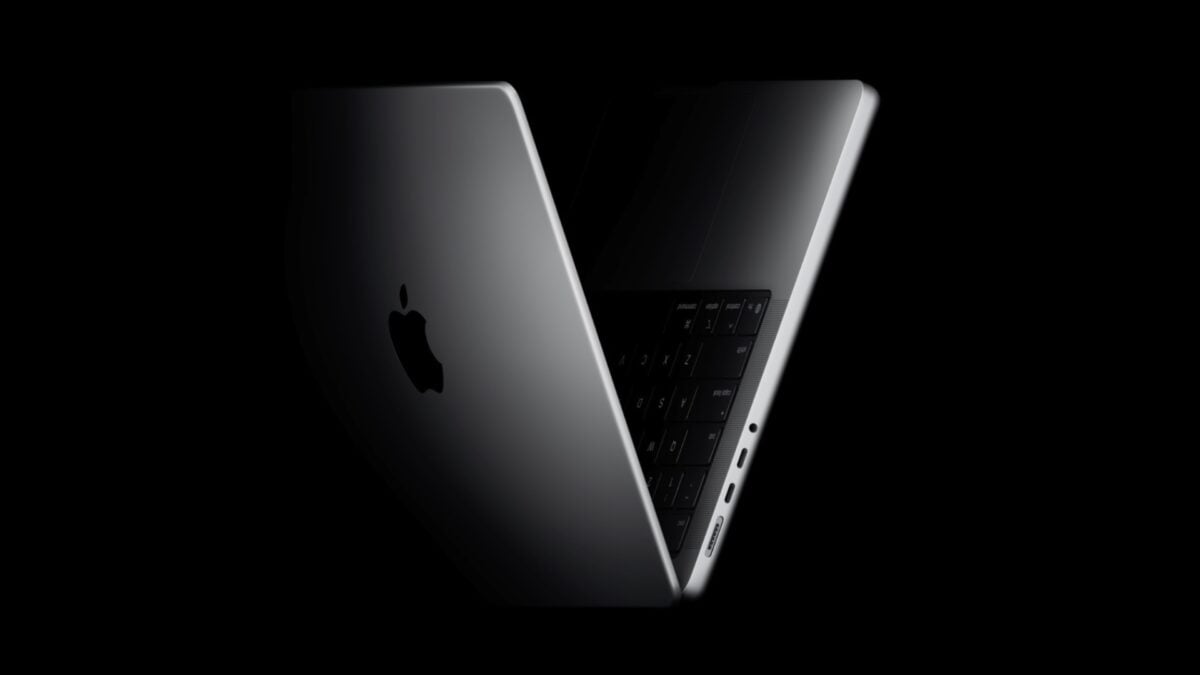
The Road to 2029: MacBooks Meeting Galaxy Standards
According to insights from the well-known tipster Ice Universe, Apple is exploring the integration of Samsung’s "Privacy Display" for its future portable computers. While the Galaxy S26 Ultra is expected to showcase this technology much sooner, MacBook users might have to wait until 2029 to see it in action. The core functionality of this feature is to restrict viewing angles; when active, only the person sitting directly in front of the screen can see the content clearly. For anyone looking from the side, the screen appears obscured or blank, effectively ending the era of "visual hacking" in public spaces.
This level of security is particularly vital for those handling sensitive data, viewing private notifications, or accessing financial applications in crowded environments like cafes or airplanes. While Samsung Display is the pioneer here, there is high anticipation that the Korean tech leader will also bring this to its own Galaxy Book and Galaxy Tab series before Apple makes its move.
Understanding the Magic of Flex Magic Pixel
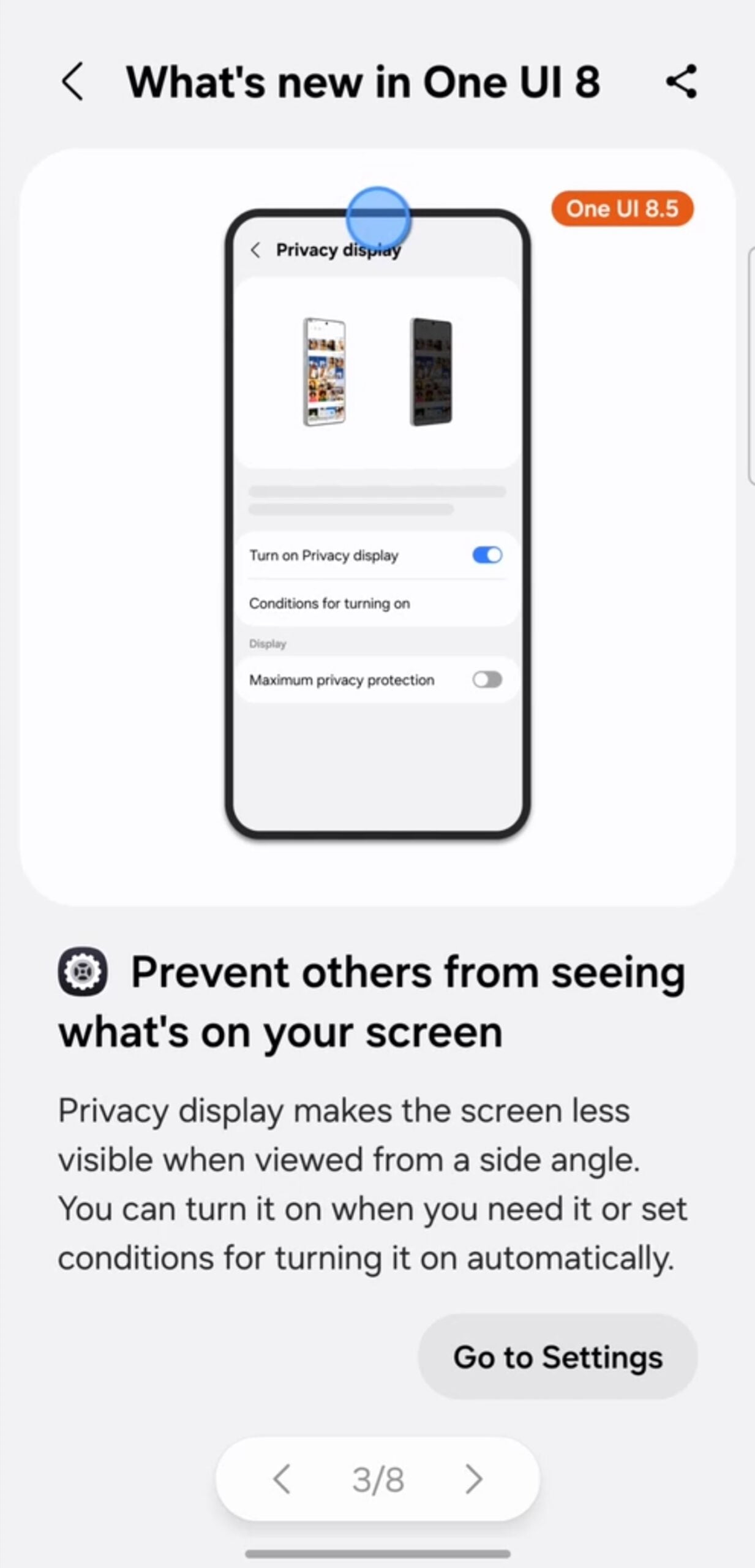
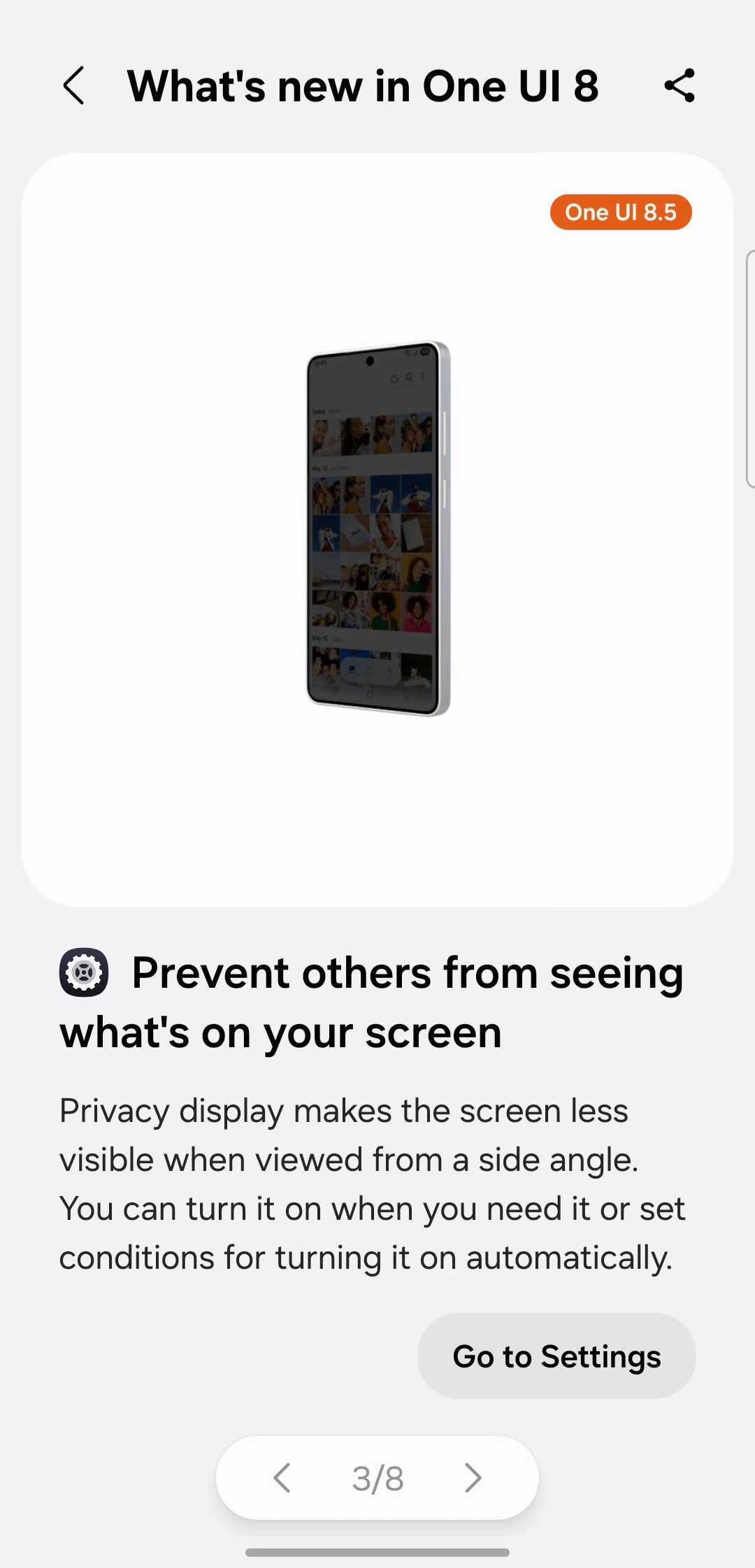
The technology behind this "disappearing" screen isn't just a software trick; it’s a sophisticated blend of hardware and software. It is rooted in Samsung Display’s "Flex Magic Pixel" technology, which was initially unveiled during Mobile World Congress 2024. On devices like the Galaxy S26 Ultra, users will likely have granular control, enabling privacy for the entire display, specific apps, or even just a small window of the screen where sensitive information is displayed.
Apple's Potential Implementation Strategy
Knowing Apple’s history, the company is unlikely to call it "Privacy Display." Instead, it will probably be integrated deeply into macOS under a proprietary name. There is also a strong possibility that this feature will be reserved for the "Pro" lineup. Much like the current "Nano-Texture" glass option available for the MacBook Pro and Studio Display, Apple might offer this privacy tech as a premium add-on that costs extra at the time of purchase.
What exactly is a Privacy Display?
A Privacy Display is a specialized screen technology that limits the viewing angles of a monitor or smartphone. It ensures that the content is only visible to the person directly in front of the device, making the screen appear dark or distorted to anyone looking from an angle.
When can we expect this feature on MacBooks?
Current reports suggest that while the technology will debut on Samsung's Galaxy S26 Ultra much sooner, it is not expected to arrive on Apple's MacBook lineup until approximately 2029.
Will this be a software update for older MacBooks?
No, this feature requires specific hardware components called Flex Magic Pixels developed by Samsung Display. Therefore, it will only be available on new MacBook models released with the necessary screen technology.
Is this technology only for privacy?
While privacy is the primary benefit, the technology also allows for better control over light direction, which can potentially assist in reducing glare in specific environments, though its main purpose remains securing on-screen information.
🔎 In conclusion, the potential crossover of Samsung’s Privacy Display technology to the MacBook lineup highlights the ongoing collaborative and competitive relationship between these two tech titans. While 2029 feels far away, the introduction of hardware-level privacy could redefine how we use laptops in public spaces, making the MacBook Pro an even more formidable tool for the security-conscious professional. As Samsung leads the way with the Galaxy S26 Ultra, the future of display technology looks increasingly private and personalized.
Post a Comment