
Apple's Strategy to Outshine Samsung: The Secret to a More Durable Foldable iPhone
The tech world is buzzing with anticipation as the horizon for the first-ever foldable device from Cupertino draws closer. While Samsung has long dominated the flexible display market, Apple is reportedly planning a strategic move to ensure its entry isn't just another addition to the category, but a benchmark for longevity. By focusing on advanced material science, Apple aims to address the primary concern of foldable users: long-term durability.
- ✨ Apple is projected to launch its highly anticipated iPhone Fold by 2026.
- ✨ Reports suggest the use of Polyimide (PI) film instead of the standard PET film for better protection.
- ✨ Polyimide offers superior scratch resistance and surface hardness compared to materials currently used by competitors.
- ✨ Samsung Display remains the likely manufacturer for the underlying foldable OLED panels.
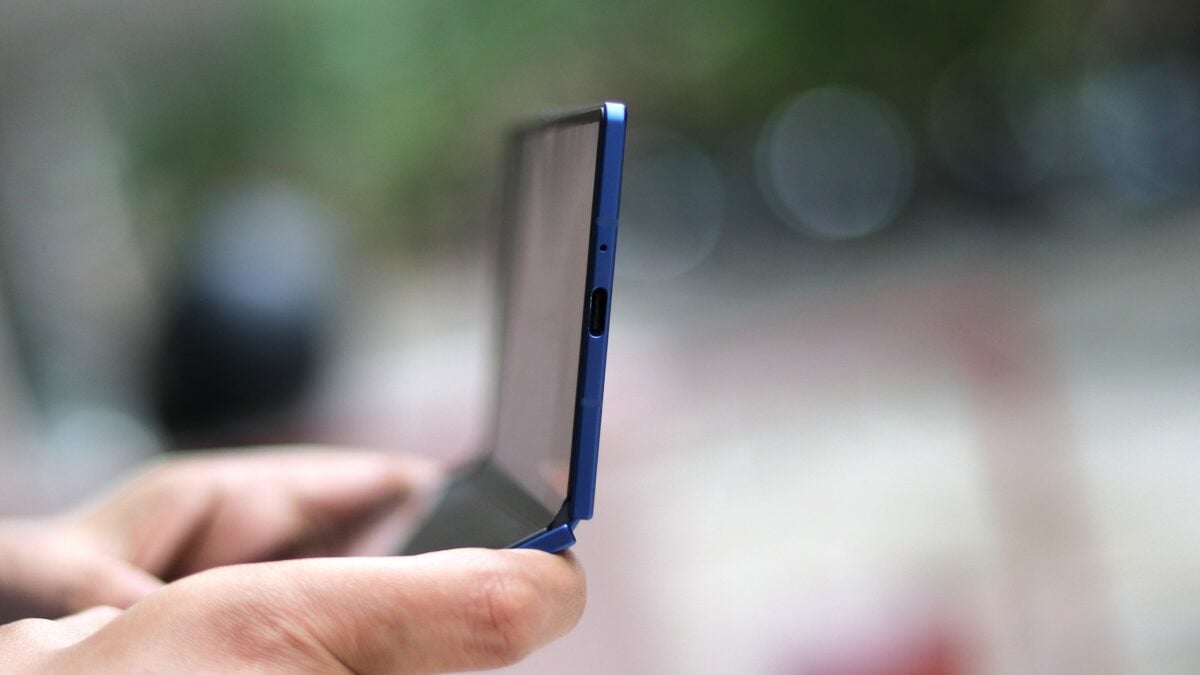
2026 is shaping up to be a landmark year for Apple enthusiasts. After years of speculation and patent filings, the "iPhone Fold" is moving from the realm of rumors toward reality. While Apple remains tight-lipped, industry insiders are beginning to peel back the layers on how the company plans to differentiate its hardware from the established Galaxy Z series.
Choosing Premium Materials for Enhanced Longevity
A recent report originating from South Korea indicates that Apple is exploring a different path for its display cover technology. To ensure the iPhone Fold stands up to the rigors of daily use, the company is reportedly leaning toward using polyimide film as the primary protective layer for its ultra-thin glass (UTG) display. While polyethylene terephthalate (PET) film is also under consideration, polyimide is currently the frontrunner.
Samsung currently utilizes PET films for the protective layers on the Galaxy Z Fold and Galaxy Z Flip series. Interestingly, Samsung is no stranger to polyimide; the original Galaxy Fold released in 2019 utilized it before the company transitioned to PET in subsequent models. Apple's potential return to this material signifies a focus on its specific physical properties.
The Durability Advantage: Polyimide vs. PET
The primary reason for Apple's interest in polyimide lies in its physical resilience. Polyimide films typically possess a higher surface hardness and significantly better scratch resistance than PET films. While polyimide is more expensive to produce and integrate, Apple's history suggests they are willing to absorb higher component costs to provide a more "premium" and durable user experience.
Regardless of the specific film material Apple chooses, the core of the device—the foldable OLED panel—is expected to be supplied by Samsung Display. This creates a unique dynamic where Samsung remains a critical partner, profiting from Apple's entry into the foldable market even as the two companies compete for the title of the most durable foldable smartphone.
When will the first foldable iPhone be released?
Current industry reports and supply chain leaks suggest that Apple is targeting a 2026 release window for its first foldable device, often referred to as the iPhone Fold.
What makes polyimide film better than PET?
Polyimide film is known for having a higher surface hardness, making it much more resistant to scratches and external pressure compared to the PET films used in many current foldable devices.
Will Samsung still be involved in the production of Apple's foldable?
Yes, it is highly likely that Samsung Display will manufacture the actual foldable OLED panels for Apple, regardless of the specific protective films Apple chooses to apply on top.
Why hasn't Apple released a foldable phone yet?
Apple typically waits for a technology to mature before entering a market. They are likely focusing on perfecting the hinge mechanism and display durability to avoid the early hardware issues seen in first-generation foldables.
🔎 Ultimately, Apple's decision to prioritize polyimide film highlights a commitment to solving the ongoing durability challenges of foldable screens. By opting for a more expensive, harder material, Apple is positioning its future foldable as a robust alternative to current market leaders. While we wait for 2026, the competition in material science is proving to be just as exciting as the gadgets themselves.
Post a Comment