
Elon Musk Directs Focus to Samsung for Tesla’s Next-Gen AI5 Chip Production
The technological alliance between **Tesla** and **Samsung** is reaching new heights as the two giants collaborate on the future of autonomous driving. Recent developments indicate that Samsung Foundry has been selected to manufacture Tesla’s cutting-edge AI5 self-driving chip, a component destined to power the next generation of electric vehicles and artificial intelligence servers. In a move that highlights the critical nature of this project, Tesla CEO **Elon Musk** is reportedly taking a personal and direct interest in the manufacturing progress.
- ✨ Samsung Foundry will utilize its advanced 4nm process to bring the Tesla AI5 chip to life.
- ✨ Elon Musk is personally attending executive meetings to monitor pilot production at the Taylor, Texas facility.
- ✨ Initial chip samples are expected within the first half of 2026, with full-scale mass production targeted for 2027.
- ✨ This partnership solidifies Samsung’s position as a primary semiconductor partner for high-performance **AI Chips**.

According to detailed insights from a **Dealsite report**, Samsung Foundry—the dedicated semiconductor arm of Samsung Electronics—is preparing to launch pilot production of the AI5 chip. This activity is centered at Samsung's state-of-the-art facility in Taylor, Texas. Reports suggest that initial samples will be finalized during the first half of this year, a timeline that reflects the urgency and priority Tesla has placed on this hardware. Musk’s involvement is not merely superficial; he is said to be actively participating in high-level executive meetings and closely scrutinizing every stage of the production cycle.
Elon Musk Personally Overseeing Samsung Chip Development
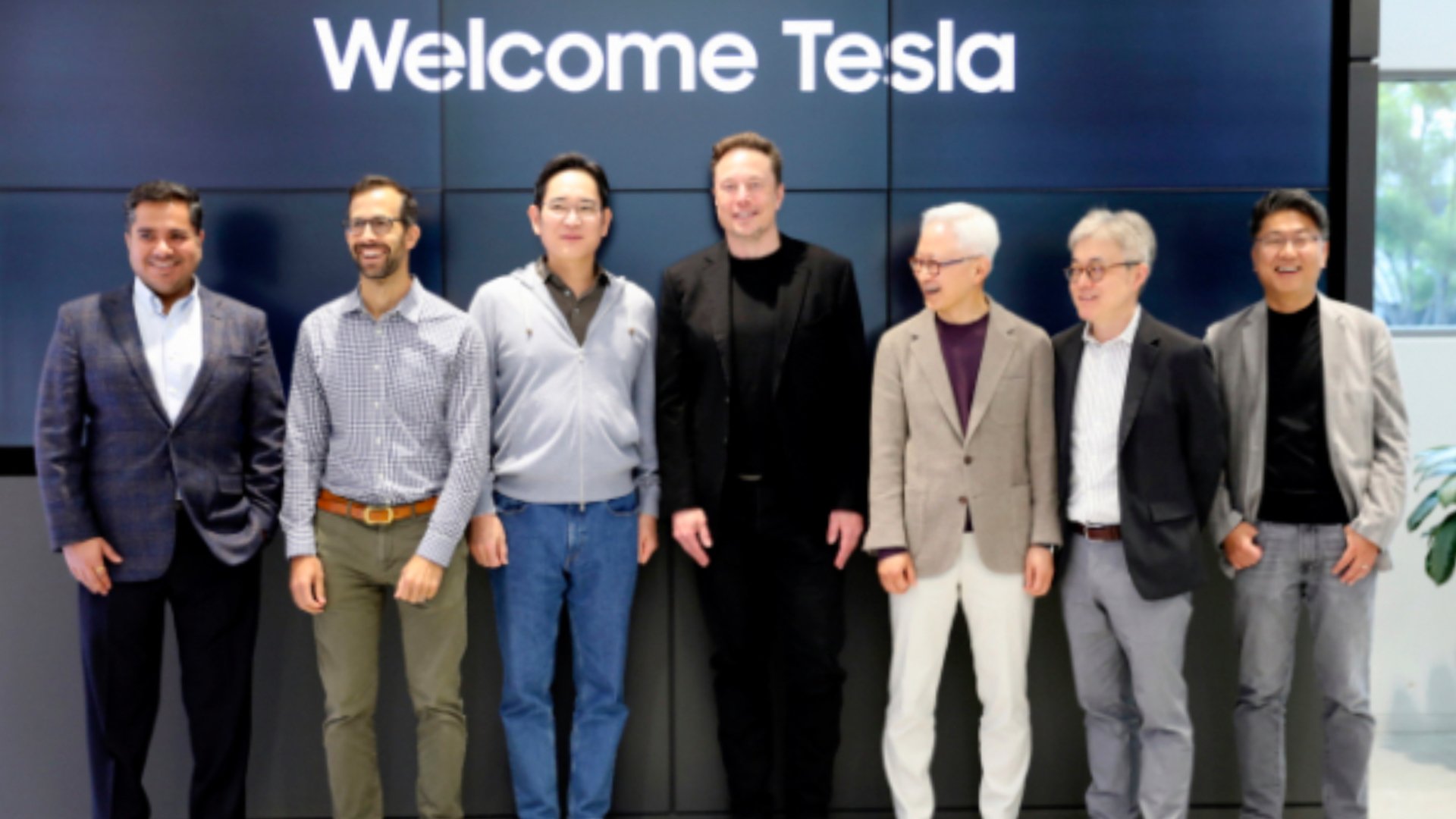
Industry insiders indicate that Musk receives regular updates from these technical sessions and frequently provides his own strategic input. This hands-on approach underscores the importance of the **Tesla** and **Samsung** relationship. Beyond processors, the collaboration has expanded into other sectors; for instance, Tesla recently finalized a significant agreement to procure ESS (Energy Storage System) batteries from Samsung’s dedicated battery division, further intertwining the two companies' supply chains.
While mass production of the AI5 chip was originally predicted for late 2026, Tesla’s rapid completion of the design phase has prompted a shift in the manufacturing schedule. Samsung is now working to align its facilities for full-scale output by 2027. Currently, Samsung Foundry handles the production of Tesla’s AI4 chips using a 7nm LPP process. However, the future looks even more advanced, with Samsung recently securing a massive $16.5 billion contract to produce AI6 chips using a 2nm process. The AI5 production was initially intended for TSMC, but a strategic portion of the order was redirected to Samsung's 4nm line.
The scope of these chips extends far beyond standard electric vehicles. Tesla's AI6 and AI5 architectures are designed to be the "brains" for autonomous taxis, sophisticated humanoid robots, and high-capacity AI data centers, making the reliability of the manufacturing process a top priority for Musk.
The Strategic Importance of Tesla for Samsung Foundry
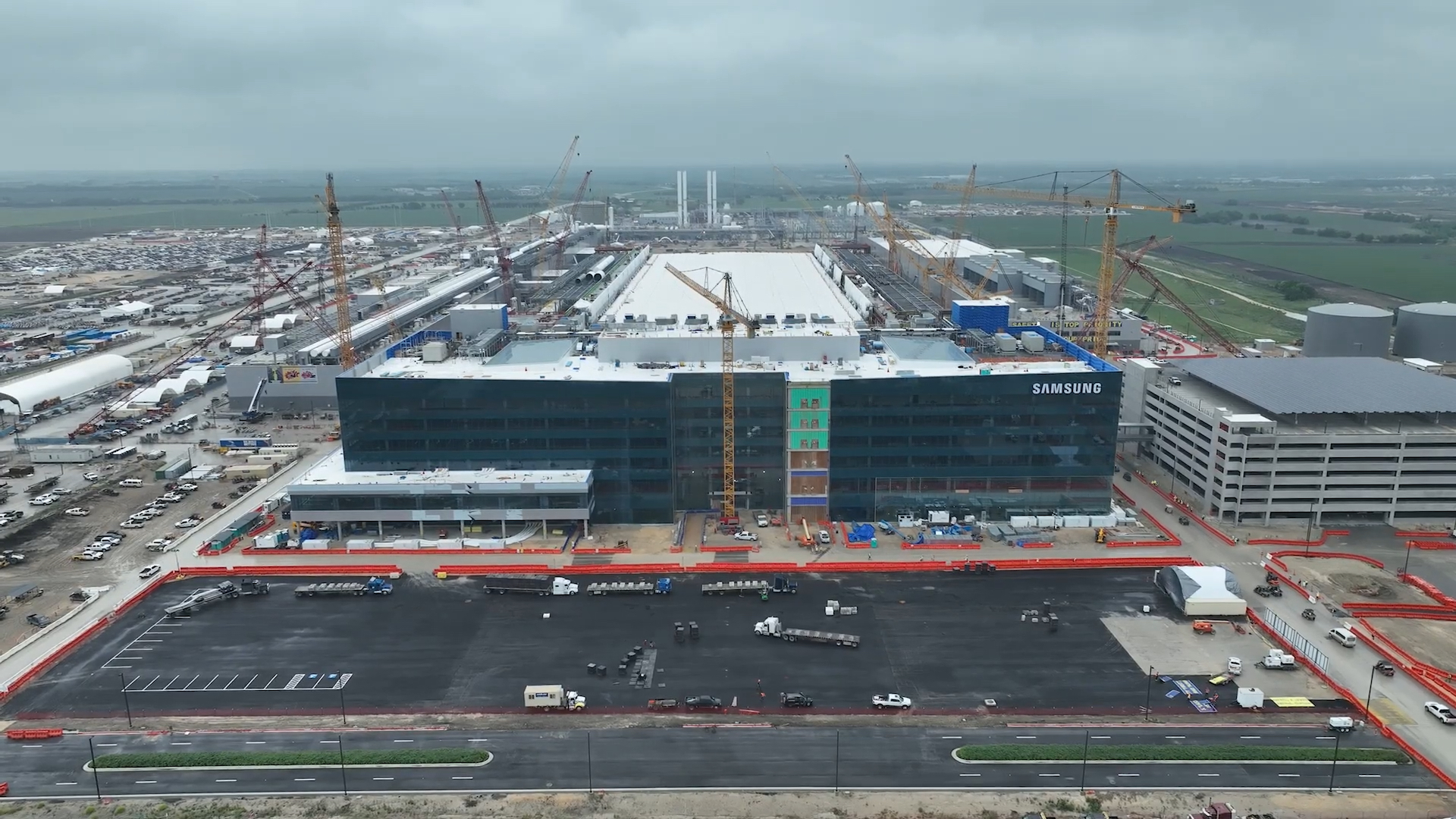
Securing Tesla as a major client is a transformative win for Samsung Foundry. In previous years, the division faced hurdles in attracting top-tier global clients compared to its competitors. However, the successful rollout of the 2nm process for the Exynos 2600 has significantly boosted industry confidence in Samsung’s technical capabilities. The partnership with Tesla acts as a powerful endorsement of Samsung’s 4nm and 2nm nodes.
Following Tesla’s lead, other industry leaders like Qualcomm are reportedly exploring Samsung’s 2nm process for their upcoming premium chipsets. Speculation is rising that a specialized 2nm version of the Snapdragon 8 Elite series is currently in development, potentially powering the high-end Galaxy smartphones of the future.
What exactly is the Tesla AI5 chip?
The AI5 is Tesla's latest custom-designed semiconductor specifically engineered for Full Self-Driving (FSD) capabilities. It offers significantly higher processing power and efficiency compared to the previous AI4 generation, allowing for more complex real-time decision-making in autonomous vehicles.
Why did Tesla choose Samsung over TSMC for part of the AI5 order?
While TSMC remains a major partner, Tesla often diversifies its supply chain to mitigate risks and ensure competitive pricing. Samsung's advanced 4nm process and its massive investment in the Taylor, Texas facility provided Tesla with a high-performance, locally-manufactured alternative.
How involved is Elon Musk in the production process?
Musk is reportedly very "hands-on," attending executive meetings and monitoring pilot production milestones. His personal involvement indicates that the AI5 chip is a cornerstone of Tesla's future roadmap for robotics and autonomous transit.
When will we see these chips in actual Tesla vehicles?
Pilot samples are expected in the first half of 2026, with mass production scheduled for 2027. This suggests that vehicles manufactured from 2027 onwards will likely be the first to feature the AI5 hardware.
What other products will use these Samsung-made Tesla chips?
Beyond electric cars like the Model S, X, 3, and Y, these AI chips are expected to power Tesla's upcoming Robotaxi fleet, the Optimus humanoid robot, and internal AI training servers.
🔎 The collaboration between Tesla and Samsung marks a pivotal moment in the semiconductor and automotive industries. By leveraging Samsung's advanced foundry capabilities in Texas, Tesla is ensuring a robust supply of the hardware necessary to achieve its ambitious goals in artificial intelligence and autonomous mobility. As Elon Musk continues to personally steer this partnership, the tech world will be watching closely to see how these next-generation chips redefine the capabilities of smart machines and transport.
Post a Comment