
Galaxy S26 Ultra vs. S25 Ultra: Is the New Privacy Display More Reflective?
Samsung has remained at the forefront of mobile innovation, particularly with its display technology. Over the last couple of generations, the tech giant introduced significant improvements, starting with the Galaxy S24 Ultra's debut of the anti-reflective screen, which was further refined in the Galaxy S25 Ultra. Now, with the launch of the Galaxy S26 Ultra, Samsung has integrated a new "Privacy Display" feature designed to keep your on-screen content safe from prying eyes. However, this new addition has sparked a debate: has the focus on privacy compromised the industry-leading anti-reflective performance we’ve come to expect?
- ✨ Analysis of the new Privacy Display modification on the Galaxy S26 Ultra.
- ✨ Comparison of reflectivity levels when the screen is active versus powered off.
- ✨ Insight into the Gorilla Glass Armor 2 and DX coating performance.
- ✨ Clarification on whether the visual changes are a design choice or a hardware defect.
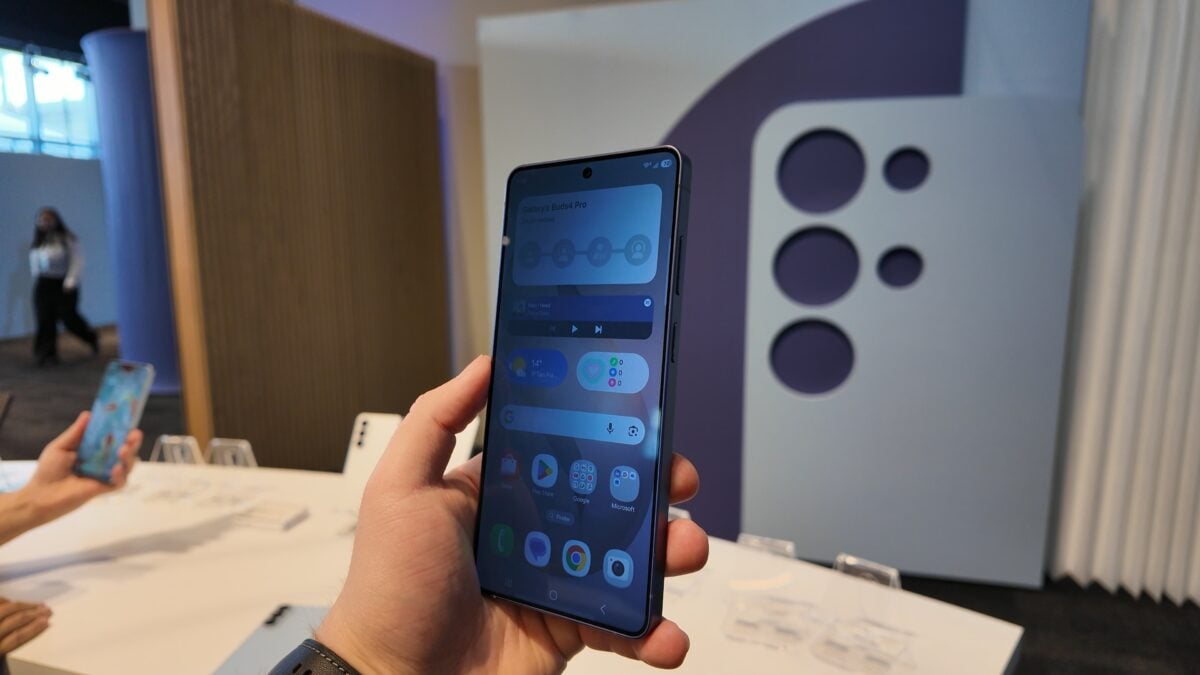
Analyzing the Galaxy S26 Ultra’s Anti-Reflective Capabilities
Recent reports from early users suggest that the Galaxy S26 Ultra's screen appears more reflective than its predecessor. This is surprising to many, considering the device utilizes the same high-end Gorilla Glass Armor 2 panel equipped with the DX anti-reflective coating found on the Galaxy S25 Ultra. The core question remains: is there a tangible difference in how these screens handle light?
Internal documentation from Samsung sheds light on this mystery. To successfully implement the Privacy Display feature, the physical structure of the display panel underwent specific modifications. This structural change affects how the anti-reflective coating behaves, particularly when the display is turned off. If you compare the two devices side-by-side while the screens are dark, the S26 Ultra may indeed show a slight increase in reflections. However, Samsung emphasizes that this is a direct result of the updated design and not a manufacturing flaw.
The good news for users is that the performance gap disappears once the phone is in use. When the screen is powered on, there is no noticeable difference in anti-reflective performance between the Galaxy S26 Ultra and the Galaxy S25 Ultra. The clarity, contrast, and glare reduction remain top-tier during daily tasks, media consumption, and outdoor usage.
Does the Galaxy S26 Ultra use the same glass as the S25 Ultra?
Yes, the Galaxy S26 Ultra continues to use Gorilla Glass Armor 2 with the DX anti-reflective coating, which is the same base material used in the S25 Ultra to ensure high scratch resistance and low glare.
Why does the S26 Ultra screen look more reflective when turned off?
The internal structure of the display was modified to accommodate the new Privacy Display feature. This change in the display stack alters the light path slightly when the screen is inactive, leading to a different reflective profile compared to previous models.
Is the increased reflectivity a defect in the display?
No, according to Samsung's internal documents, this is an intentional result of the new display architecture required for privacy enhancements and does not affect the display's performance when the screen is active.
Will I notice a difference in outdoor visibility?
When the display is turned on, the anti-reflective performance is virtually identical to the Galaxy S25 Ultra, meaning outdoor visibility and glare management remain excellent.
What exactly is the Privacy Display feature?
The Privacy Display is a hardware-level integration that narrows the viewing angles of the screen, making it difficult for people sitting next to you to see what is on your screen while maintaining perfect clarity for the user looking directly at it.
🔎 In summary, while the Galaxy S26 Ultra may exhibit a different reflective quality when the screen is powered down, this is a calculated trade-off for the advanced Privacy Display technology. Users can rest assured that the actual viewing experience remains as vibrant and glare-free as ever. As Samsung continues to balance privacy with performance, the S26 Ultra stands as a testament to how display architecture must evolve to meet modern security needs without sacrificing the premium visual quality that Ultra users demand.
Post a Comment