
Is the Samsung Galaxy S26 Ultra Really More Expensive? The Hidden Price Hike Revealed
While the initial headlines surrounding the launch of the Samsung Galaxy S26 Ultra suggested that the tech giant had held the line on pricing, the reality is a bit more complex. On the surface, the entry-level price remains unchanged from last year, but a deeper dive into the various storage configurations reveals that many consumers will actually end up paying significantly more for their new flagship device than they did for the previous generation.
- ✨ The base 256GB model maintains a starting price of $1,299 in the United States.
- ✨ Higher storage tiers, including the 512GB and 1TB variants, have received quiet price increases.
- ✨ The 1TB model now costs $1,799, a $140 jump compared to the Galaxy S25 Ultra.
- ✨ Pre-order incentives remain the most effective way to mitigate these rising costs.
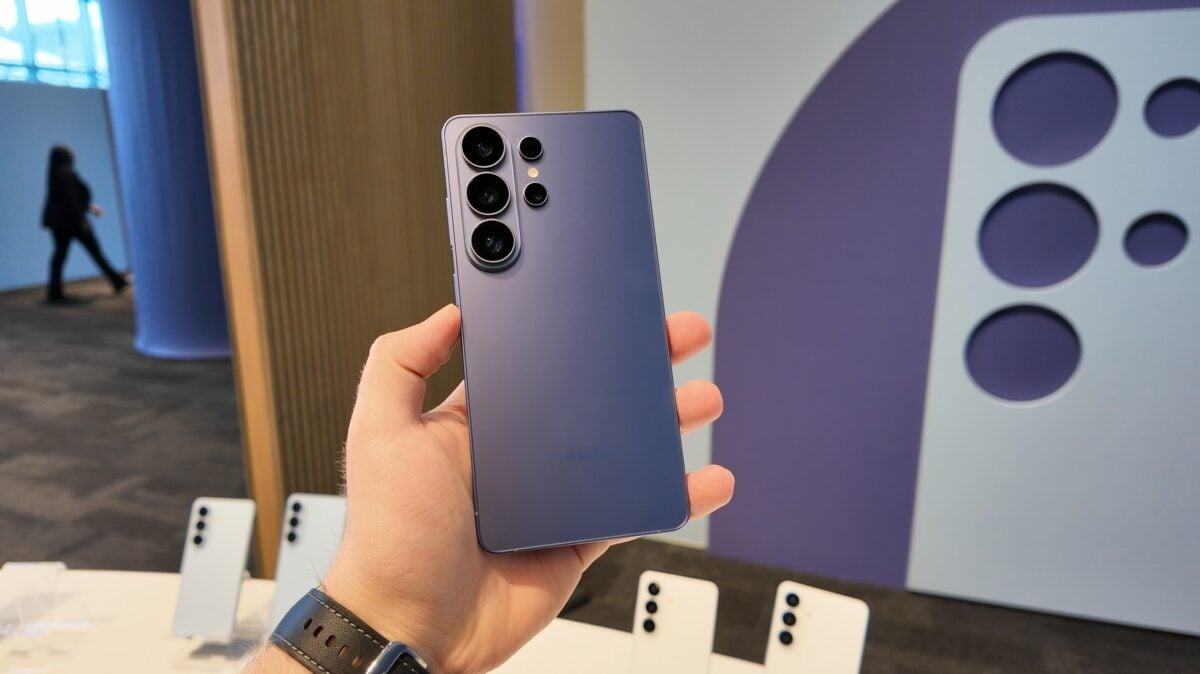
The big headline regarding the Galaxy S26 Ultra price on launch day has been that Samsung has kept the price constant. Indeed, the Galaxy S26 Ultra starts at $1,299 in the United States, just like the Galaxy S25 Ultra. However, unless you looked closely and weighed all of the options with the ones offered last year, you may not have noticed that Samsung has increased the price on the higher storage models.
Higher Galaxy S26 Ultra Storage Tiers Are More Expensive
The $1,299 starting price is for the base model with 12GB RAM and 256GB of storage. If you want 512GB storage, the Galaxy S26 Ultra will cost $1,499. That's $80 more expensive than the 512GB Galaxy S25 Ultra, which cost $1,419 last year.
If you want the top-of-the-line model with 16GB RAM and 1TB of storage, prepare to spend $1,799. It's a whopping $140 more expensive than the 1TB Galaxy S25 Ultra that was priced at $1,659. Samsung is clearly taking some margin hit on the base model to avoid the hit that would come with increased prices across the board, as all of the price stories would have otherwise been about the hike.
Many customers prefer the higher storage variants since the Ultra phones don't have microSD card slots. To be fair, 256GB—of which a major chunk is taken up by the OS, apps, and system files—doesn't leave you with much for high-resolution content, photos, and 8K videos
In case you don't want to spend more than last year, your option now is to either go for the base model or fork out more money for the other models. That's why it's best to take advantage of the pre-order offer as that gets you the most bang for your buck by often including free storage upgrades or significant trade-in credits.
Is the base model of the Galaxy S26 Ultra more expensive this year?
No, the starting price for the base 256GB model remains at $1,299 in the United States, matching the launch price of the previous Galaxy S25 Ultra.
How much has the price increased for the 1TB storage variant?
The 1TB variant has seen a significant price jump of $140, moving from $1,659 last year to $1,799 for the Galaxy S26 Ultra.
Why is storage more important on the Ultra series?
Since Samsung does not include a microSD card slot for expandable storage, users must rely entirely on the internal capacity they choose at the time of purchase for their photos, videos, and apps.
What is the best way to avoid the higher costs of the new storage tiers?
The most effective strategy is to utilize Samsung's pre-order promotions, which frequently offer "double the storage" deals, allowing you to get a higher capacity model for the price of the tier below it.
🔎 Navigating the world of flagship smartphone pricing requires a careful eye on the fine print. While Samsung successfully maintained the entry-level price point to keep the Galaxy S26 Ultra accessible, the increased cost for power users needing more storage is a significant shift. By understanding these price adjustments and timing your purchase with official promotions, you can ensure you are getting the best possible value for what remains one of the most powerful mobile devices on the market.
Post a Comment