
Samsung Foundry Set to Produce AI Chips for TikTok Parent ByteDance: A Major Shift in the Semiconductor Race
The global semiconductor landscape is witnessing a significant shift as ByteDance, the powerhouse behind the viral social media platform TikTok, explores new avenues for its hardware needs. Recent developments suggest that the Chinese tech giant is pivoting its strategy for artificial intelligence (AI) chips, moving away from traditional partners and looking toward Samsung Foundry to power its massive AI workloads. This collaboration, reportedly in conjunction with Broadcom, signals a major win for the South Korean tech leader in its quest to dominate the next generation of chip manufacturing.
- ✨ ByteDance is reportedly in advanced talks with Samsung to manufacture custom AI chips.
- ✨ The deal includes potential priority access to critical HBM3 and HBM4 memory components.
- ✨ Samsung aims to provide initial chip samples by March 2026, targeting a production of 356,000 units.
- ✨ This move highlights the growing appeal of Samsung’s 2nm (SF2P) fabrication process for global tech giants.
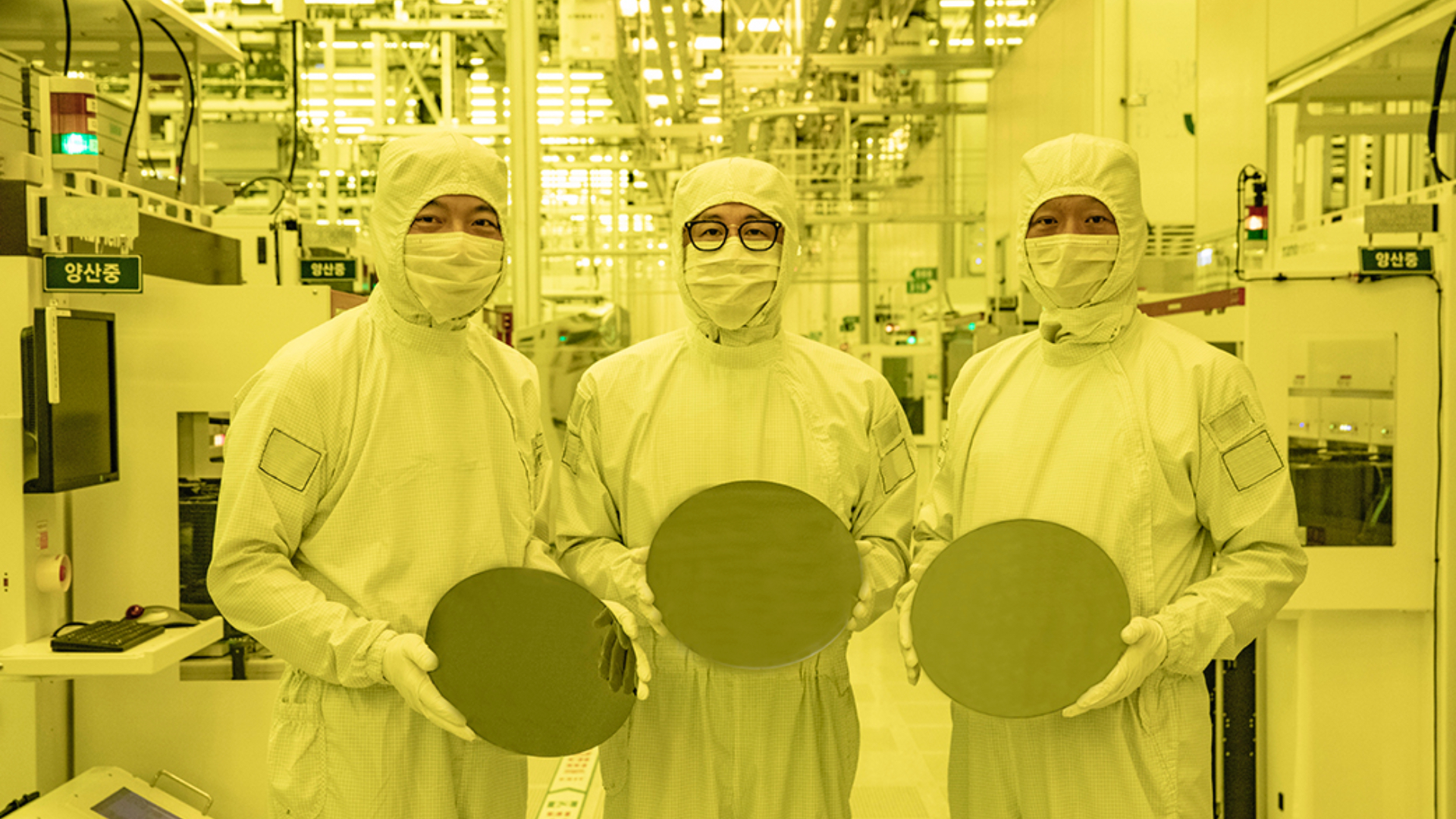
According to a report from Reuters, ByteDance is actively negotiating with Samsung to handle the fabrication of its proprietary AI processors. While earlier industry speculation pointed toward TSMC as the primary manufacturer, ByteDance appears to be diversifying its supply chain. The roadmap suggests that Samsung will deliver sample chips to the Chinese firm by the end of March 2026. The production targets are ambitious: ByteDance aims to secure 100,000 units within the first year, eventually scaling up to a massive 356,000 units to sustain its global AI operations.
Securing the Future: Memory Chips as Part of the Strategic Deal
The surge in AI popularity has created a bottleneck in the semiconductor industry, particularly regarding high-bandwidth memory (HBM). AI accelerators require vast amounts of HBM3 and HBM4 memory to process complex data sets efficiently. Because memory prices are skyrocketing and supply is tight, ByteDance is using this manufacturing deal as leverage to secure a steady supply of these essential components. Currently, only a few players like Samsung, Micron, and SK Hynix can produce these high-end memory chips at scale.
Reports indicate that the proposed agreement between the two companies goes beyond simple fabrication. It is a comprehensive package that guarantees ByteDance access to Samsung’s cutting-edge memory technology. This "one-stop-shop" approach—providing both the logic chip manufacturing and the associated memory—is a key competitive advantage that Samsung is using to attract high-profile clients.
While ByteDance has officially labeled these reports as inaccurate and Samsung has maintained its standard policy of not commenting on client matters, the industry buzz is undeniable. Since the introduction of Samsung’s second-generation 2nm fabrication process (SF2P), the foundry has seen increased interest from major players. ByteDance now joins an elite list of companies, including Tesla, Apple, and AMD, that are reportedly considering or already utilizing Samsung’s advanced nodes for their future hardware.
Why is ByteDance switching from TSMC to Samsung Foundry?
While TSMC remains a leader, ByteDance is likely seeking better supply chain security and more competitive pricing. Additionally, Samsung's ability to provide both the AI chip fabrication and the necessary HBM memory chips in a single deal makes it a highly attractive partner for companies running massive AI server farms.
What is the significance of the 2nm (SF2P) process mentioned?
Samsung’s 2nm process represents the cutting edge of semiconductor technology. It allows for chips that are smaller, faster, and significantly more power-efficient than previous generations. This is crucial for AI workloads, which consume massive amounts of energy and require high processing speeds.
When will we see these ByteDance AI chips in action?
If the current timeline holds, Samsung will provide samples by March 2026. Mass production and integration into ByteDance's data centers would likely follow later that year, with the goal of reaching over 350,000 units to power TikTok's recommendation algorithms and other AI features.
Are other companies also moving to Samsung for chip production?
Yes, there is growing momentum. Industry reports have frequently linked major tech firms like Tesla, Apple, and AMD to Samsung Foundry’s latest nodes, as these companies look to decrease their reliance on a single supplier and take advantage of Samsung's integrated manufacturing capabilities.
🔎 The potential partnership between Samsung and ByteDance underscores a pivotal moment in the AI hardware race. As the demand for specialized silicon and high-speed memory continues to outpace supply, Samsung’s integrated business model—combining foundry services with world-class memory production—is proving to be a magnet for the world’s largest tech entities. Whether this specific deal reaches its projected scale or not, it is clear that the competition for AI supremacy is now being fought at the nanometer level, with Samsung positioned as a formidable contender for the future of global computing.
Post a Comment