
Samsung Galaxy S26 and S26+ Hands-On: The Evolution of the Android Standard
Following the grand reveal of the Ultra variant, Samsung has officially pulled the curtain back on its two core flagship models: the Galaxy S26 and the Galaxy S26+. While these devices share the same DNA as their more expensive sibling, they represent a more balanced approach to the Samsung Flagship experience, focusing on refined aesthetics, sustainable performance, and a massive leap in artificial intelligence integration.

- ✨ Refined Aesthetics: A new unified camera housing that mirrors the premium look of the Z Fold series.
- ✨ Regional Power: Equipped with either the Exynos 2600 or the Snapdragon 8 Elite Gen 5 depending on your market.
- ✨ AI-Powered Software: Shipping with One UI 8.5 and Android 16 for a smarter user experience.
- ✨ Long-Term Value: Industry-leading seven years of guaranteed software and security updates.
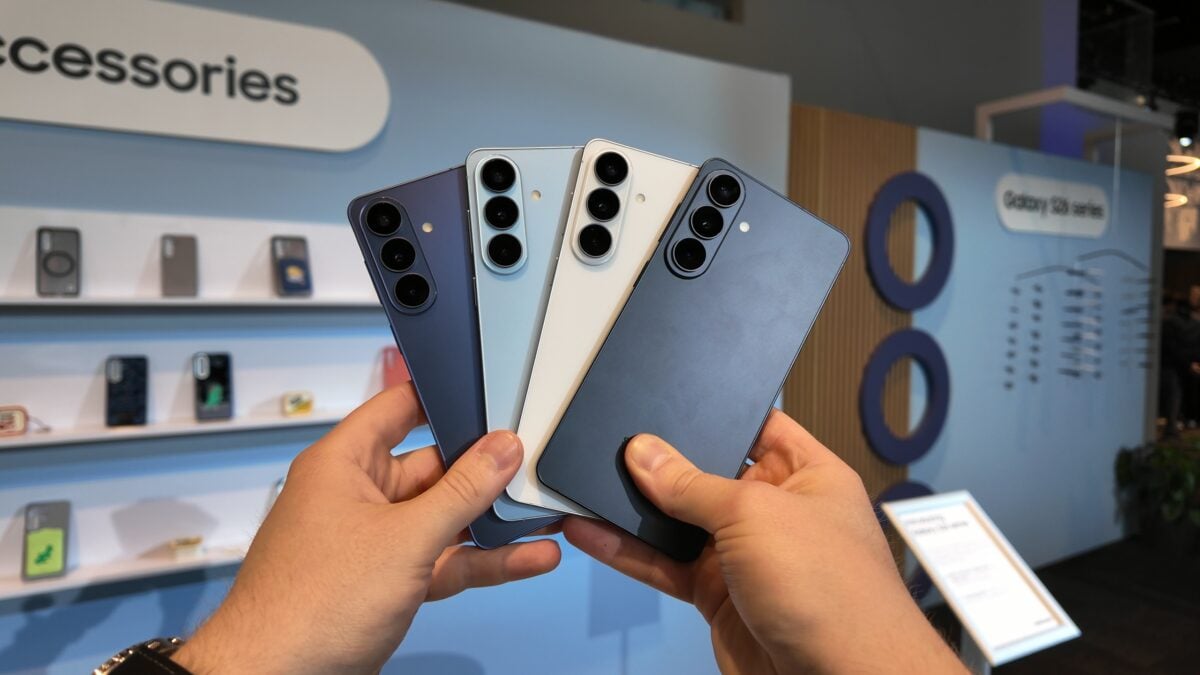
While the visual alignment across the S26 series is clear, the Galaxy S26 and S26+ distinguish themselves through hardware choices and a form factor that many users find more ergonomic than the massive Ultra. From the compact 6.3-inch base model to the expansive 6.7-inch Plus, Samsung is catering to a wide spectrum of flagship enthusiasts
A Subtle and Premium Design Language
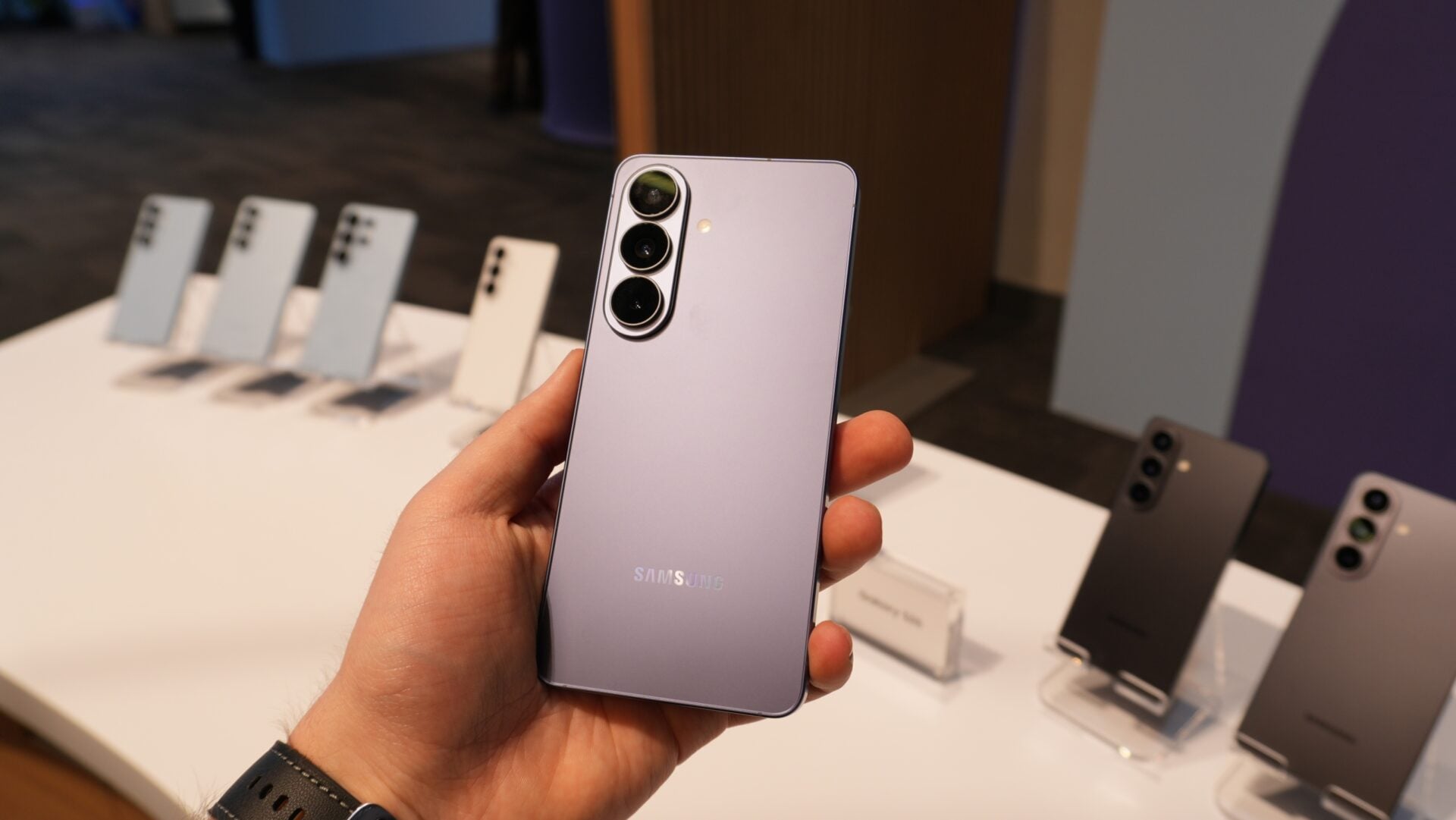
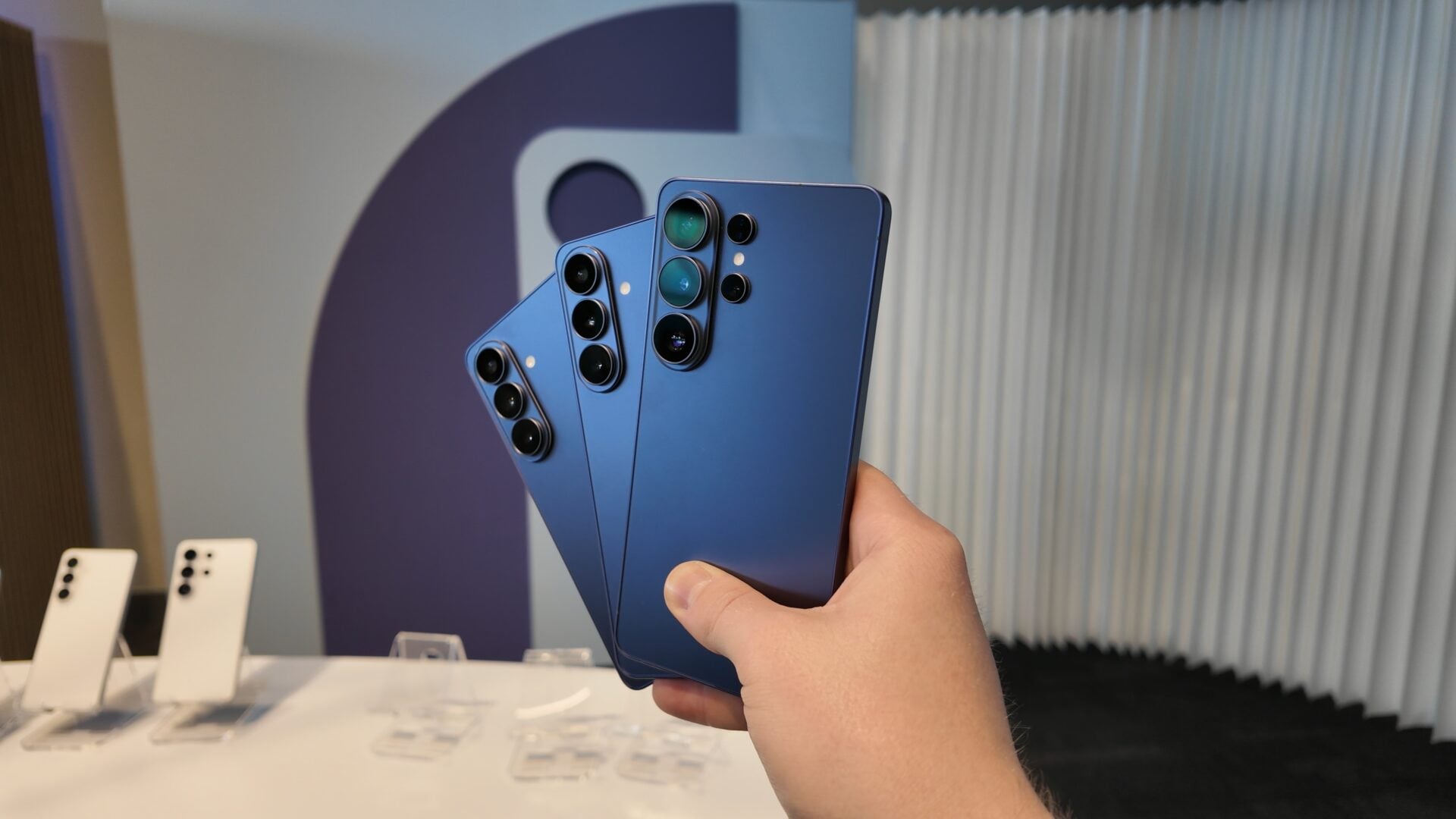
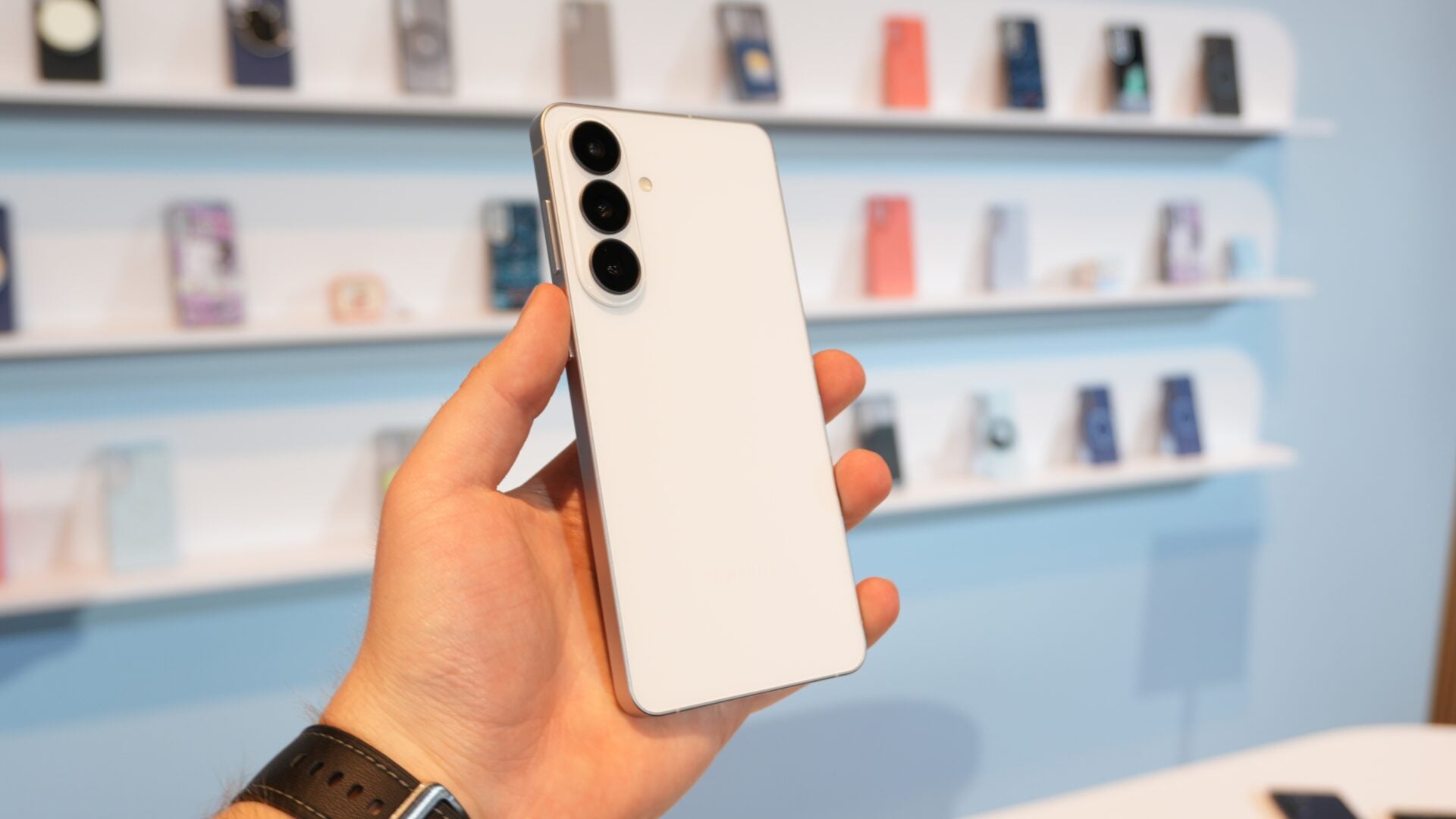
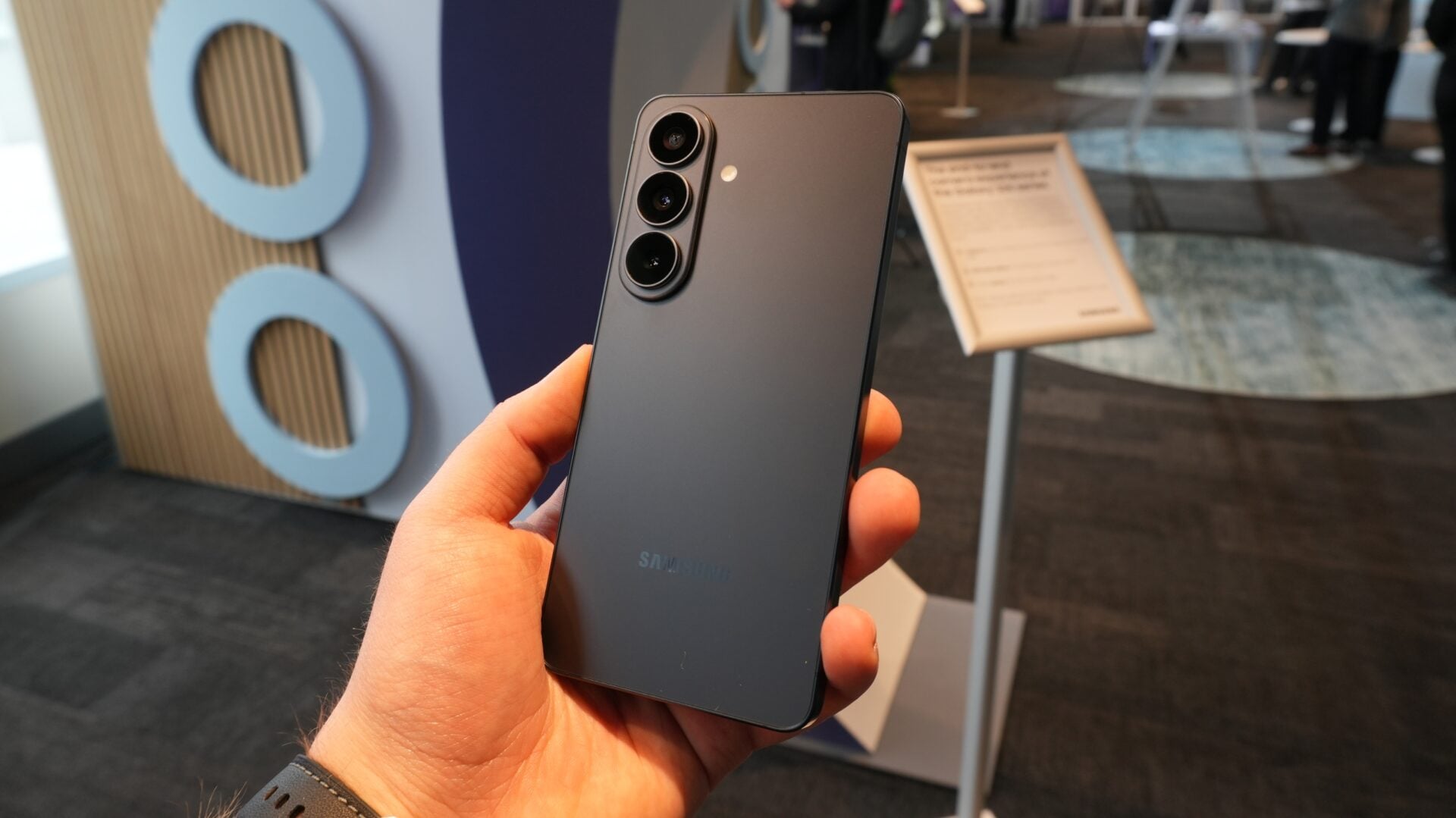
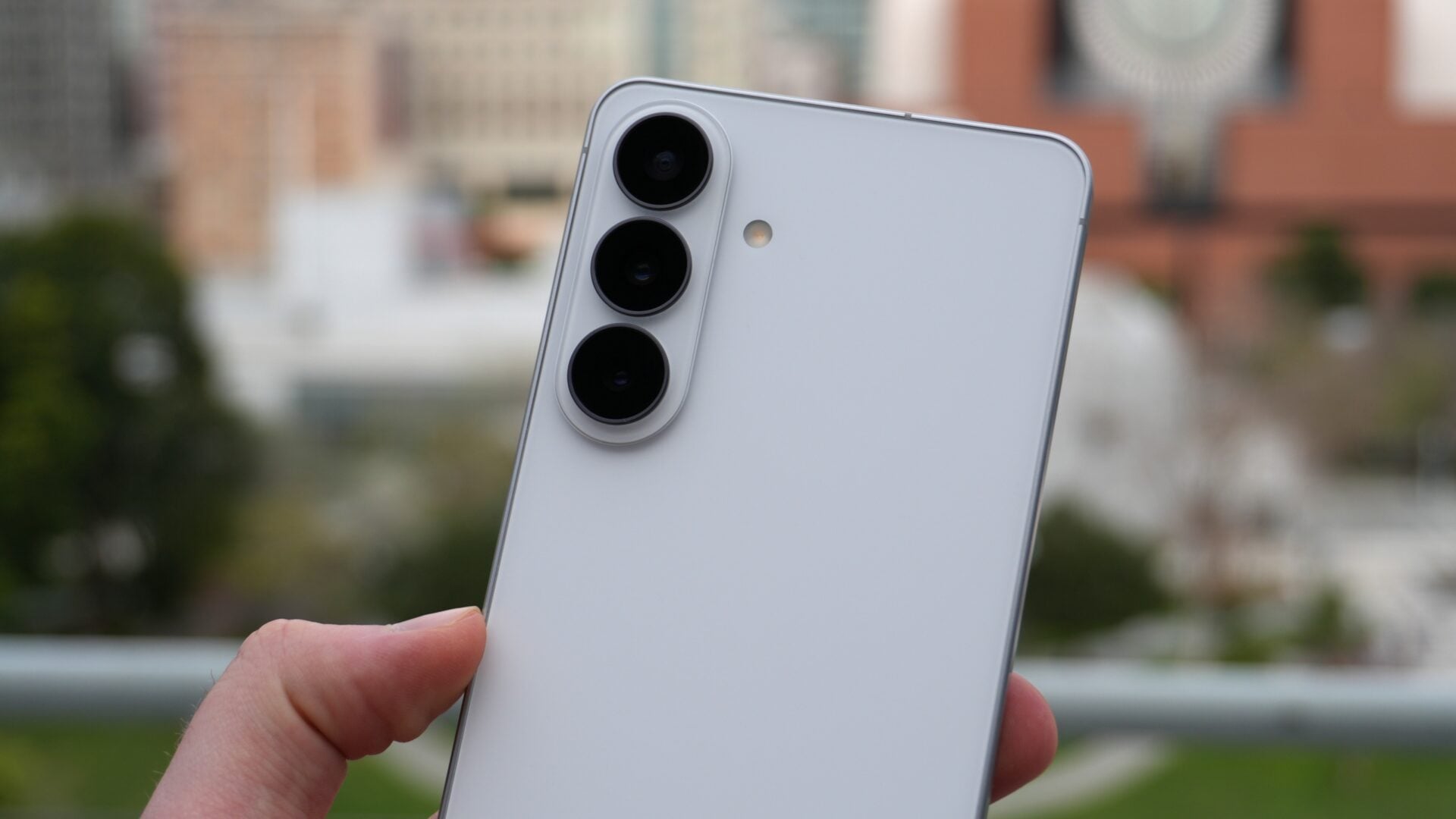
Samsung has opted for evolution over revolution regarding the physical build of the Galaxy S26 and S26+. The most striking update is the camera island. Moving away from the "floating lens" look of previous years, the new models feature a unified glass housing. This design choice, reminiscent of the Galaxy Z Fold 7, gives the back of the device a much cleaner and more intentional appearance. It feels significantly more premium in the hand, signaling a move toward a more cohesive brand identity.
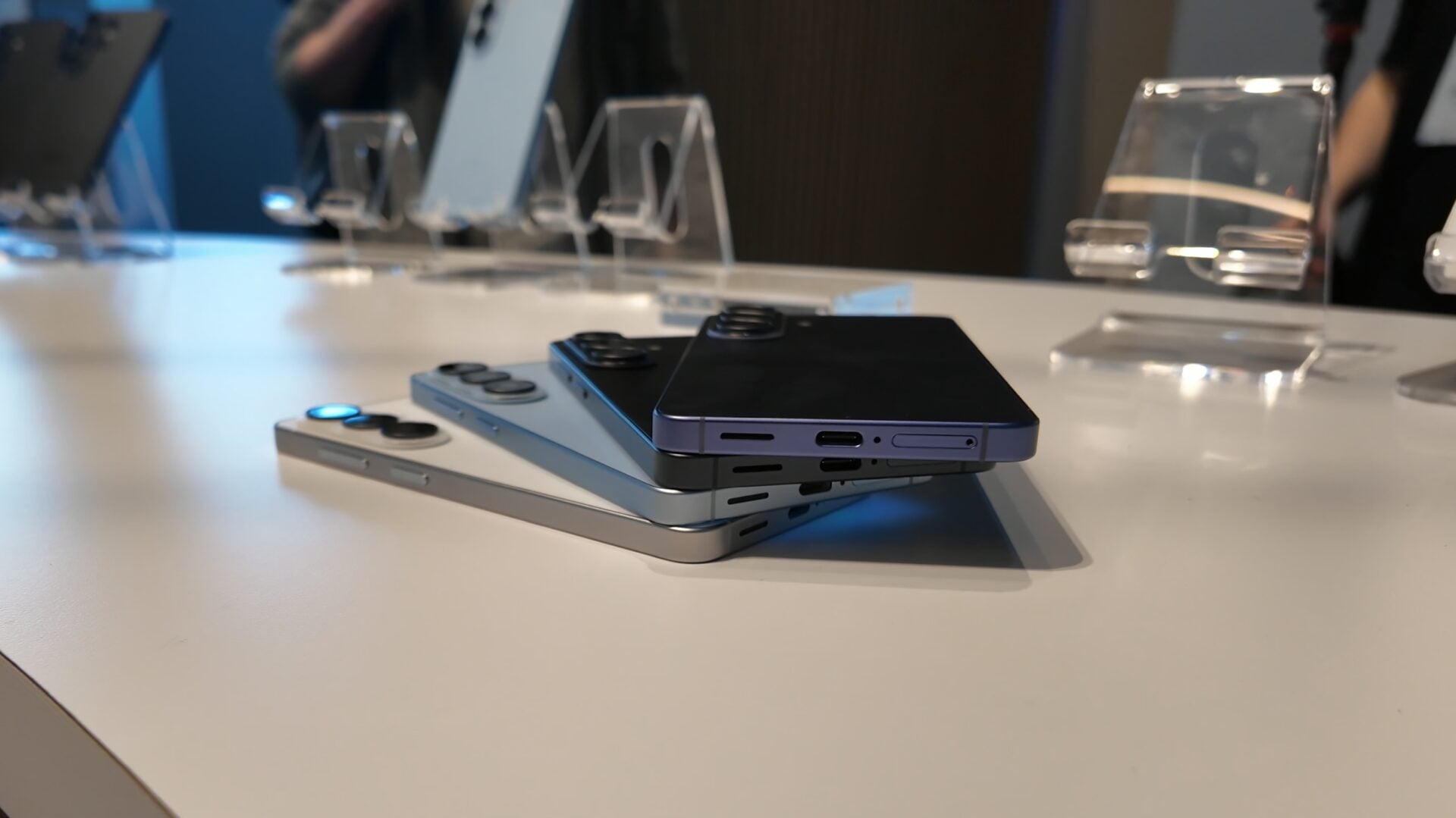
The color palette is equally sophisticated. Both models launch in Black, White, Sky Blue, and Cobalt Violet. For those purchasing directly from Samsung’s online store, two exclusive finishes—Silver Shadow and Pink Gold—are available. This unified color strategy ensures that even the base models feel like a core part of the premium S26 family.
Vibrant Displays with Adaptive Smoothness
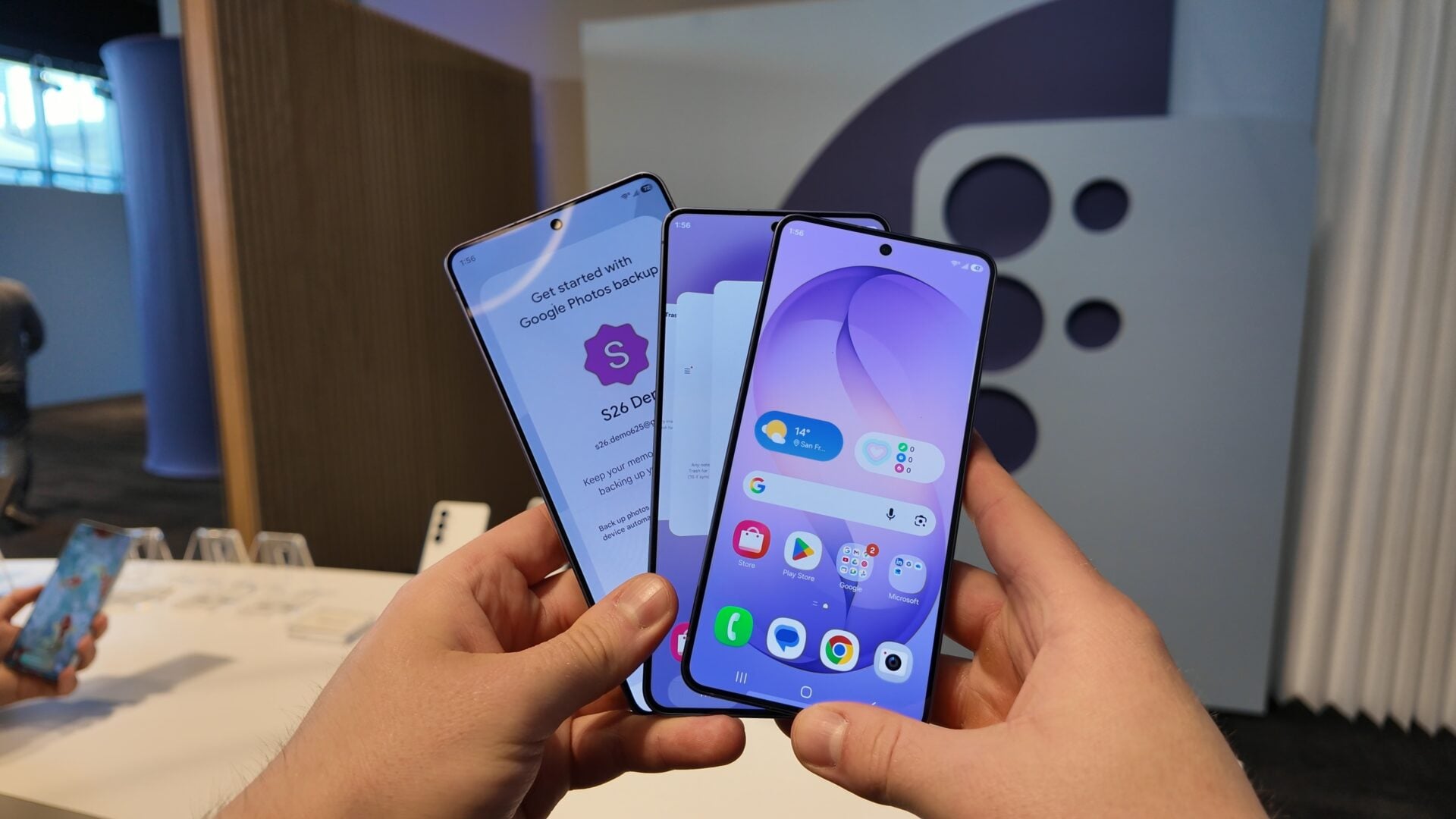
The screens on the S26 and S26+ remain best-in-class, featuring Dynamic AMOLED 2X technology. The Galaxy S26 features a 6.3-inch panel with FHD+ resolution, while the S26+ bumps the size to 6.7 inches and the resolution to a crisp QHD+. Both displays support an adaptive refresh rate ranging from 1Hz to 120Hz, ensuring that animations are buttery smooth while conserving battery during static tasks.
While these displays offer incredible brightness and color accuracy, Samsung has kept the revolutionary "Privacy Display" exclusive to the Ultra. This means the S26 and S26+ lack the specialized angle-based viewing protection, though they still offer the standard high-end viewing experience Samsung is known for.
Flagship Performance: Exynos vs. Snapdragon
Performance is where regional differences come into play. In Europe and most international territories, the devices are powered by the Exynos 2600. Meanwhile, users in the US, China, and Japan will find the Snapdragon 8 Elite Gen 5 for Galaxy under the hood. While benchmark enthusiasts might find slight variations, real-world usage remains consistently fast across both platforms.
Both models come standard with 12GB of LPDDR5X RAM, which is a welcome baseline for 2026. Storage options include 256GB and 512GB. As expected, there is no microSD expansion, so choosing the right storage capacity at purchase is more important than ever for power users.
Battery Longevity and Charging Capabilities
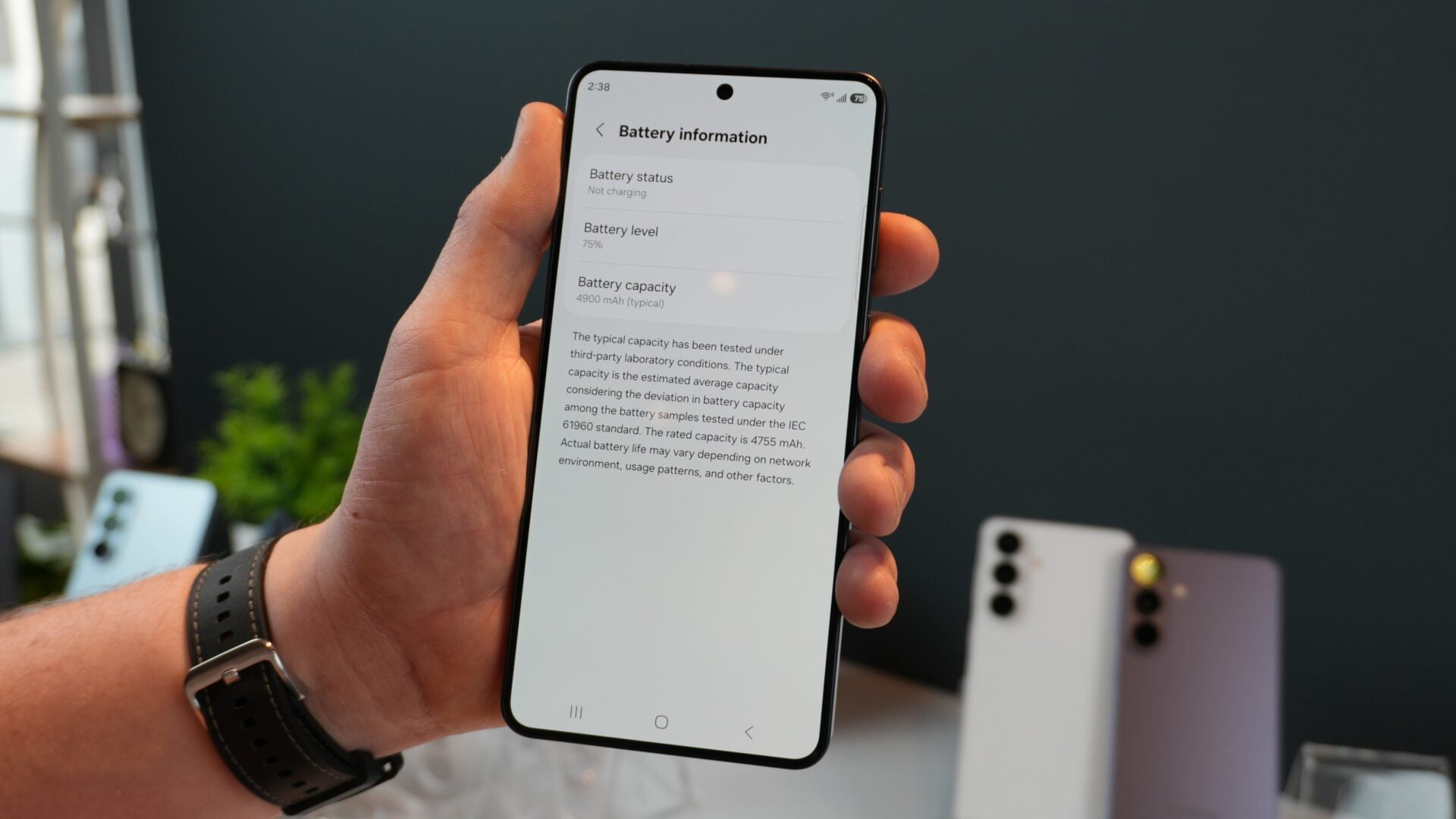
Samsung has addressed one of the main pain points of compact flagships by increasing the battery in the base Galaxy S26 to 4,300 mAh (a 300 mAh jump). The Galaxy S26+ maintains its robust 4,900 mAh cell. Charging speeds remain a point of differentiation: the S26 supports 25W wired charging, while the S26+ benefits from much faster 45W wired charging. Both support wireless charging at 15W and 25W respectively.
Camera: AI-Powered Refinement
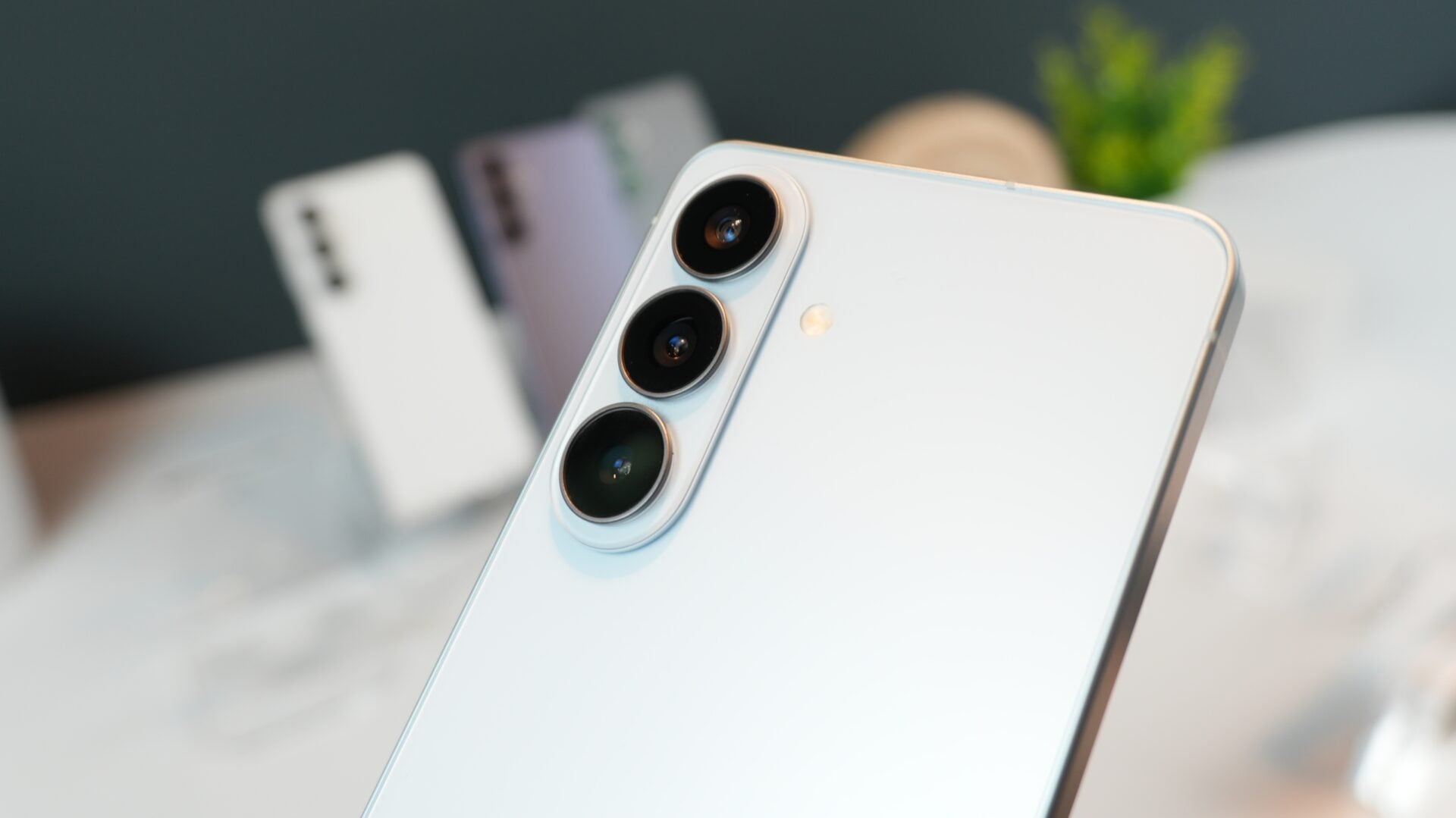
The hardware sensors remain familiar—a 50MP main shooter, 12MP ultra-wide, and a 10MP telephoto with 3x optical zoom. However, the real upgrades are found in the Image Signal Processor (ISP) of the new chips. AI-driven noise reduction and scene optimization have been significantly improved, allowing for clearer night shots and more natural skin tones in portraits. The 12MP front camera continues to provide excellent clarity for video calls and social media content.
Software: One UI 8.5 and Seven Years of Support
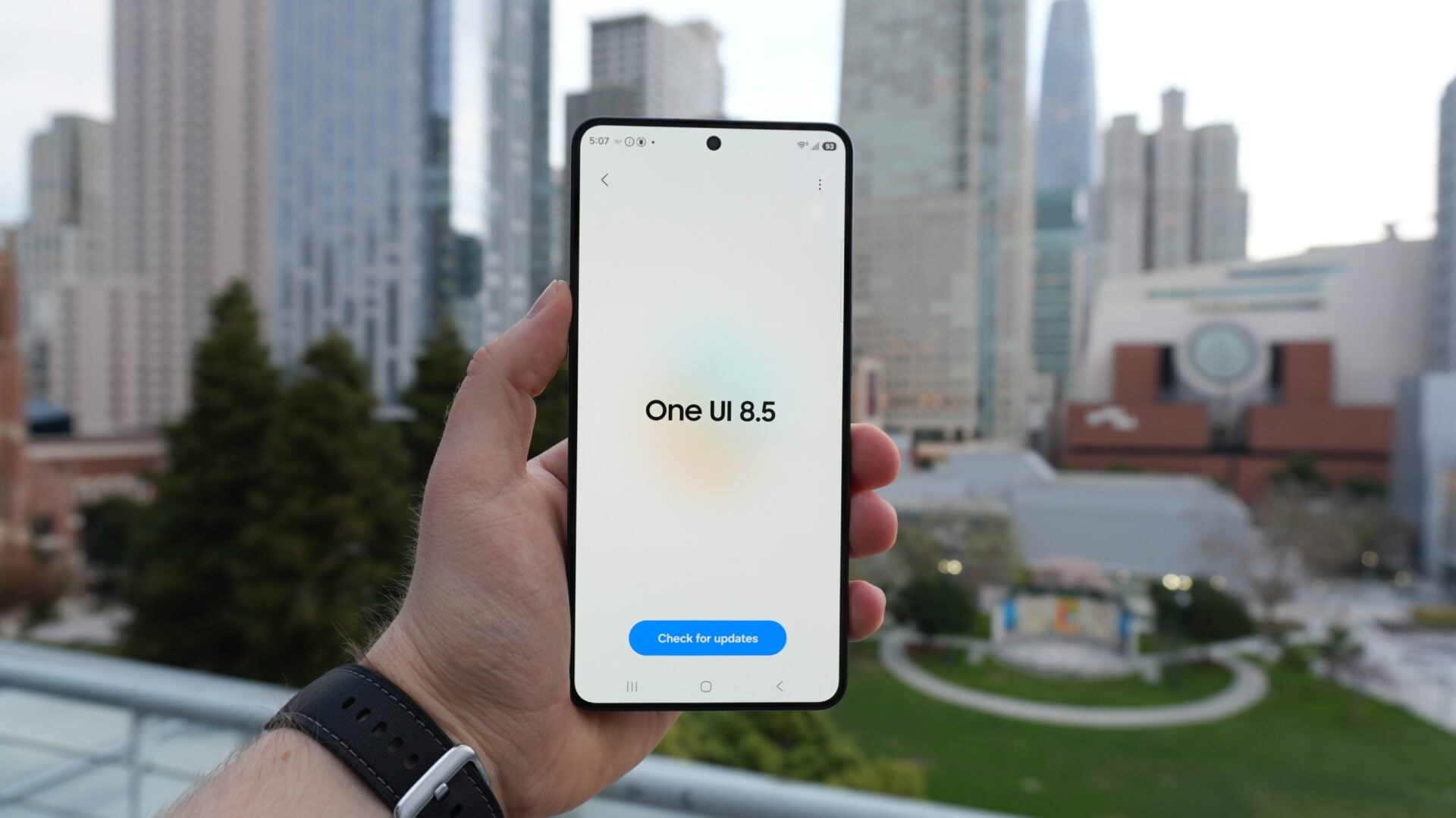
Software is perhaps the most significant area of growth. Shipping with One UI 8.5 (Android 16), the S26 series introduces "Now Nudges" and an enhanced "Now Brief." Bixby has also received a massive intelligence boost, now powered by Perplexity AI for more accurate and conversational responses. With features like the Smart Call Assistant and deeper Google Gemini integration, these phones are designed to be proactive assistants rather than just communication tools.
Pricing and Availability
The Galaxy S26 starts at 999 euros ($899 USD), while the Galaxy S26+ begins at 1,299 euros ($1,099 USD). Pre-orders are open now, with official retail availability starting March 11. Early adopters can often find trade-in bonuses and storage upgrades during the initial launch window.
What are the main design differences between the S26 and previous models?
The primary change is the redesigned camera bump, which now uses a unified glass housing rather than individual protruding lenses, creating a cleaner and more premium look similar to the Z Fold 7.
Which processor does the Galaxy S26 use?
It varies by region. Most global markets, including Europe, receive the Exynos 2600, while the United States, China, and Japan use the Qualcomm Snapdragon 8 Elite Gen 5 for Galaxy.
Is there a difference in charging speed between the S26 and S26+?
Yes. The standard Galaxy S26 supports up to 25W wired charging, whereas the Galaxy S26+ supports faster 45W wired charging.
How long will Samsung support the Galaxy S26 series with updates?
Samsung has committed to seven years of Android OS updates and security patches, ensuring the devices remain current until 2033.
Does the Galaxy S26 have expandable storage?
No, the Galaxy S26 and S26+ do not feature a microSD card slot. Users must choose between the 256GB or 512GB internal storage configurations.
🔎 The Samsung Galaxy S26 and S26+ successfully bridge the gap between everyday usability and cutting-edge technology. By focusing on meaningful software improvements with One UI 8.5 and maintaining a commitment to long-term hardware support, Samsung has created a reliable, powerful, and intelligent flagship duo that will serve users well for years to come.
Post a Comment