
Samsung Galaxy S26 Satellite Connectivity: Emergency Communication Features Revealed for Global Markets
When Samsung officially pulled the curtain back on the Galaxy S26 series, one major question remained: would these flagship devices support emergency satellite communication? Samsung has now provided a definitive answer, confirming that the entire lineup—including the Galaxy S26, S26+, and S26 Ultra—will feature satellite connectivity across three massive global regions. This move ensures that users can stay connected even in the most remote areas where traditional cellular signals fail.
- ✨ Full support confirmed for the Galaxy S26, S26+, and S26 Ultra models.
- ✨ Operational availability in Europe, Japan, and North America.
- ✨ Strategic partnerships with major carriers like AT&T, T-Mobile, and Vodafone.
- ✨ Features include emergency messaging, data services, and critical alerts.
- ✨ Potential expansion to Galaxy Watch and other product categories in the future.
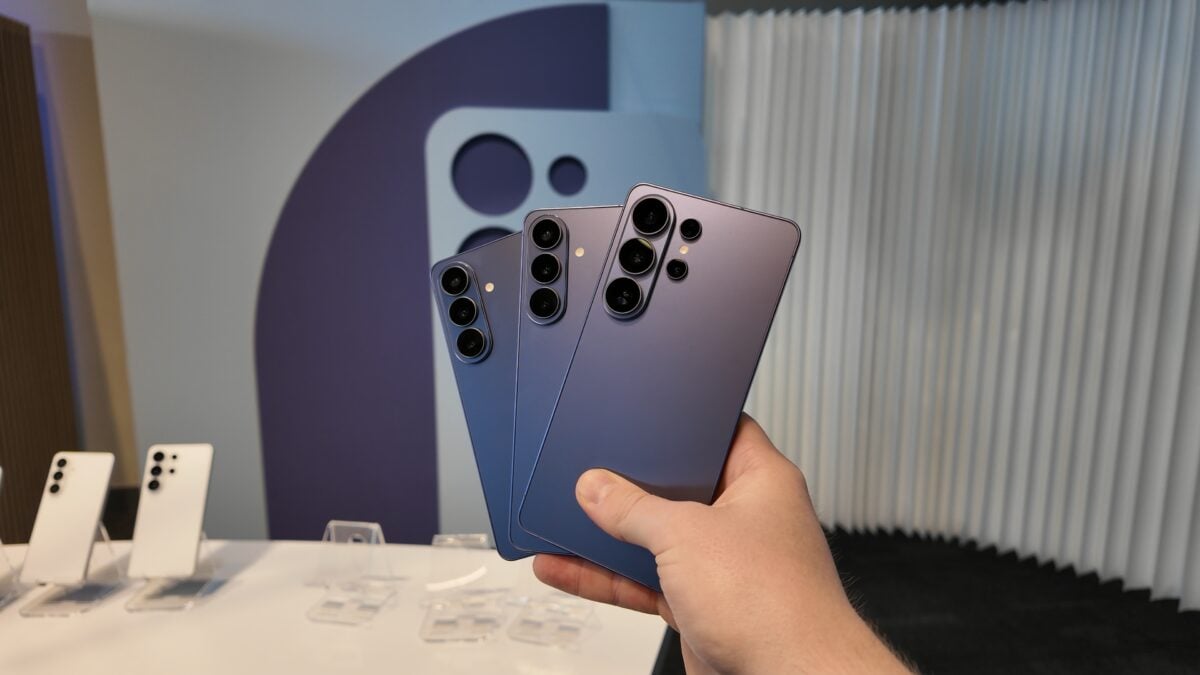
The South Korean tech giant confirmed that the Galaxy S26 series offers satellite-based messaging and data services specifically tailored for emergency situations. By integrating this technology, Samsung is catching up with and potentially surpassing competitors in providing a safety net for adventurers and those living in areas with poor infrastructure.
Expanding Global Connectivity: Europe, Japan, and North America
In Europe, Samsung has taken a collaborative approach by partnering with Virgin Media O2. Furthermore, the company is actively working with MasOrange in Spain and Vodafone to enable seamless satellite communication. This infrastructure will allow European users to send distress signals and basic texts when they are out of range of standard towers.
The rollout in Japan is equally impressive. Samsung has collaborated with industry leaders Docomo, KDDI, and SoftBank. Efforts are also underway with Rakuten Mobile to broaden the reach. Notably, satellite-based data, texting, and the Earthquake and Tsunami Warning System (ETWS) have been paving the way on the Galaxy S22 and select Galaxy A models since 2025, setting a strong foundation for the S26 launch.
For users in North America, Samsung has teamed up with AT&T to support these vital features. Additionally, T-Mobile’s T-Satellite service (T911), powered by Starlink, has already been supporting text and data on various Galaxy devices. Verizon users are not left behind, with eSOS and texting features already available for the Galaxy S25 and newer models on their network.
| Region | Key Carrier Partners |
|---|---|
| Europe | Virgin Media O2, MasOrange, Vodafone |
| Japan | Docomo, KDDI, SoftBank, Rakuten Mobile |
| North America | AT&T, T-Mobile (Starlink), Verizon |
The Technology Powering Emergency Signals
Samsung is not just stopping at phones. The company indicated it is working with more cellular operators to bring satellite connectivity "across Galaxy product categories" globally. This strongly suggests that future Galaxy Watch models might soon feature independent emergency satellite capabilities, a potential game-changer for outdoor fitness enthusiasts.
The technical backbone for many of these partners, including AT&T and Vodafone, relies on AST SpaceMobile's innovative solution. This allows standard smartphones to connect directly to satellites without requiring bulky external antennas or specialized hardware modifications
Won-Joon Choi, Chief Operating Officer of Samsung Mobile Experience, highlighted the company's commitment: “Samsung has a rich legacy in wireless communication technologies, and we strive to be at the forefront of innovation through open collaboration. As satellite connectivity becomes an important part of the mobile landscape, we are committed to ensuring Galaxy users have reliable access to communication, especially when they need it most.”
Which Galaxy S26 models support satellite communication?
All three models in the new flagship series—the Galaxy S26, the Galaxy S26+, and the Galaxy S26 Ultra—are equipped with the hardware necessary to support satellite-based emergency messaging and data services.
In which countries can I use the satellite feature?
Currently, Samsung has confirmed the service for major markets in Europe (including Spain and the UK via partners), Japan, and North America (USA and Canada). The company is actively working to expand this to more regions globally.
Do I need a special subscription for satellite messaging?
While the hardware is built-in, the service availability depends on your cellular carrier. Partners like T-Mobile and Verizon have already integrated these features into specific plans, often focusing on emergency "T911" or "eSOS" services.
What kind of data can be sent via satellite?
The primary focus is on emergency communication, such as text-based messaging to emergency services, sharing your GPS location, and receiving critical alerts like tsunami warnings (ETWS) in supported regions like Japan.
Will the Galaxy Watch get satellite support?
Samsung has hinted that they are working to bring this technology to various "Galaxy product categories," which strongly suggests that future wearable devices like the Galaxy Watch may include satellite connectivity for emergency use.
🔎 The integration of satellite communication into the Galaxy S26 series represents a significant leap forward in mobile safety and global reliability. By bridging the gap between traditional cellular networks and orbital technology, Samsung ensures that its users are never truly alone, regardless of where their journey takes them. As these features expand to more regions and devices, the peace of mind offered by the Galaxy ecosystem continues to be a primary reason for users to choose Samsung's flagship innovation.
Post a Comment