
Samsung Galaxy S26 Ultra Aluminum Frame: The Real Reason Behind the Titanium Departure
The arrival of the Galaxy S26 Ultra marks a significant milestone in Samsung's mobile evolution. While the device introduces a suite of high-end upgrades—including the innovative Privacy Display, a cutting-edge processor, refined camera optics, and industry-leading charging speeds—one specific design choice has sparked intense debate among enthusiasts. Samsung has officially transitioned back to an aluminum frame, moving away from the titanium construction that defined its predecessor, the Galaxy S25 Ultra. This shift has raised questions about whether this is a strategic advancement or a calculated cost-saving measure.
- ✨ Material Shift: Samsung replaces titanium with "Armor Aluminum" to achieve the slimmest Ultra profile yet.
- ✨ Design Priority: The move focuses on balancing structural strength with a lighter, more comfortable handheld experience.
- ✨ Industry Trends: The transition mirrors similar moves by competitors like Apple, signaling a broader industry pivot.
- ✨ Performance Factors: Aluminum offers superior heat dissipation compared to titanium, potentially aiding sustained performance.
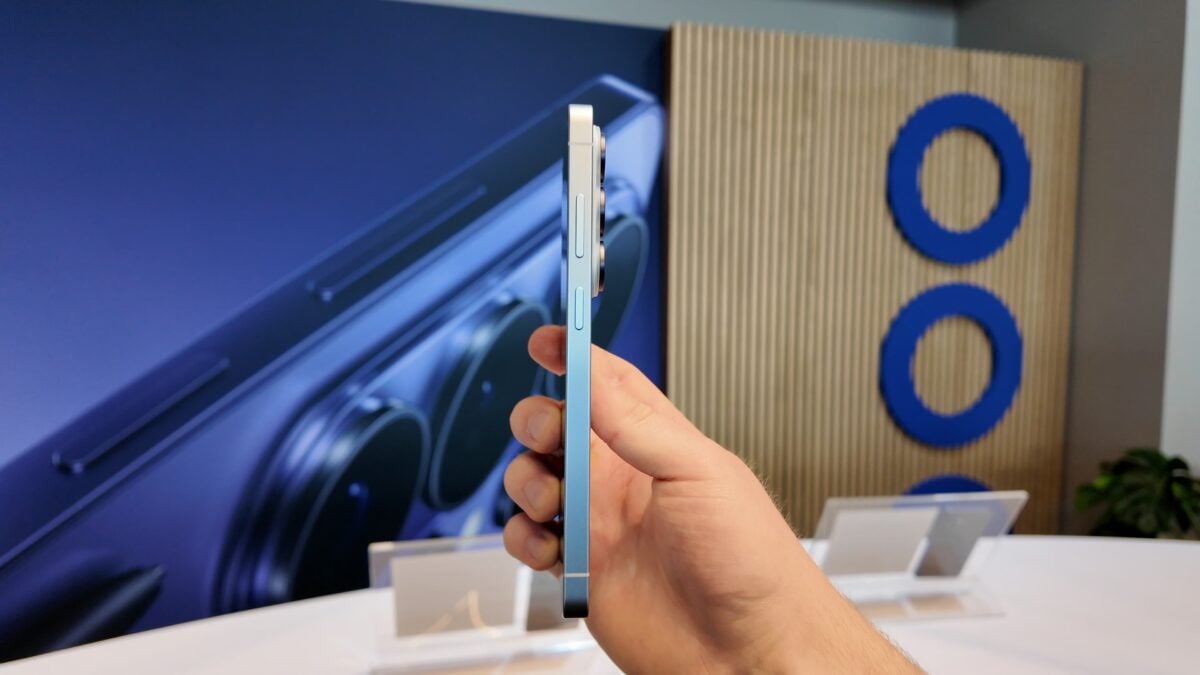
Understanding Samsung's Official Stance on Armor Aluminum
When questioned about the sudden departure from titanium, Samsung provided a detailed rationale centered on the user experience. According to the tech giant, the selection of materials for the Samsung Galaxy lineup is always a balancing act between durability, ergonomics, and design vision. For the S26 series, the primary objective was to engineer the thinnest Ultra model in the company's history without sacrificing the "premium standards" users expect.
Samsung asserts that Armor Aluminum was the "ideal material" to facilitate this thinner and lighter form factor. The company claims that this specific alloy provides sufficient everyday durability while allowing for a more refined, sleek aesthetic that titanium—due to its weight and manufacturing complexities—could not easily accommodate. However, many tech analysts remain skeptical, suggesting that the decision might be more closely tied to the high cost of titanium and its inferior thermal conductivity compared to aluminum.
A Broader Industry Shift: Beyond the Samsung Ecosystem
Interestingly, Samsung is not alone in this material pivot. The mobile industry appears to be re-evaluating the "titanium trend." Reports indicate that Apple has also made a similar transition, moving from titanium on its previous Pro models to aluminum for the latest iterations. This suggests that while titanium offers a high "prestige factor," the practical benefits of aluminum—specifically in terms of weight reduction and thermal management—are becoming more attractive for manufacturers aiming for peak device efficiency.
While some users may view the return to aluminum as a step backward, the Galaxy S26 Ultra remains a powerhouse of innovation. Whether the improved ergonomics and heat dissipation of Armor Aluminum outweigh the rugged prestige of titanium is a matter of personal preference, but it is clear that Samsung is prioritizing a "slimmer and lighter" future for its flagship devices.
Why did Samsung choose aluminum over titanium for the S26 Ultra?
Samsung stated that Armor Aluminum was necessary to create the slimmest and lightest Ultra device to date, balancing strength with a more comfortable design that meets their premium reliability standards.
Is Armor Aluminum as durable as titanium?
While titanium is technically a harder metal, Samsung claims Armor Aluminum is specifically engineered to support a thinner form factor without compromising the device's everyday durability and resistance to wear.
Does aluminum help with phone performance?
Yes, aluminum is generally better at heat dissipation than titanium. This can help the processor maintain higher speeds for longer periods by moving heat away from the internal components more efficiently.
Are other brands moving away from titanium as well?
Yes, the industry is seeing a shift. Apple has reportedly moved from titanium Pro models back toward aluminum for certain lineups, likely for similar reasons involving weight and thermal management.
Does this change make the Galaxy S26 Ultra feel less premium?
While titanium has a high-end reputation, the Armor Aluminum used by Samsung is a high-grade alloy designed to maintain a premium aesthetic while offering a more ergonomic, lightweight feel in the hand.
🔎 The decision to move from titanium back to aluminum on the Galaxy S26 Ultra is a complex one, blending engineering goals with market pragmatism. While Samsung’s official reasoning emphasizes a quest for the slimmest possible profile, the underlying benefits of better thermal control and reduced manufacturing costs cannot be ignored. Ultimately, users will have to decide if the trade-off in material prestige is worth the gain in daily comfort and device portability.
Post a Comment