
Samsung Galaxy S26 Ultra: Breaking Records as the Thinnest and Lightest Ultra Flagship Yet
For years, it seemed that modern Galaxy smartphones had reached a plateau in terms of physical dimensions. Many enthusiasts believed that these powerful devices couldn't—or wouldn't—get any thinner without sacrificing essential features. However, the release of the ultra-slim Galaxy S25 Edge proved that Samsung was ready to challenge those assumptions. Now, the new Galaxy S26 Ultra continues this trend, pushing the boundaries of engineering to set new records for the Ultra series.
Quick Highlights
- ✨ The Samsung Galaxy flagship S26 Ultra is officially the thinnest Ultra model ever produced at just 7.9mm.
- ✨ At 214 grams, it is the lightest device in the Galaxy S Ultra history.
- ✨ Despite its slim profile, it successfully retains the integrated S Pen and a massive 5,000mAh battery.
- ✨ Samsung has transitioned back to an aluminum frame, proving slimness doesn't require exotic materials.
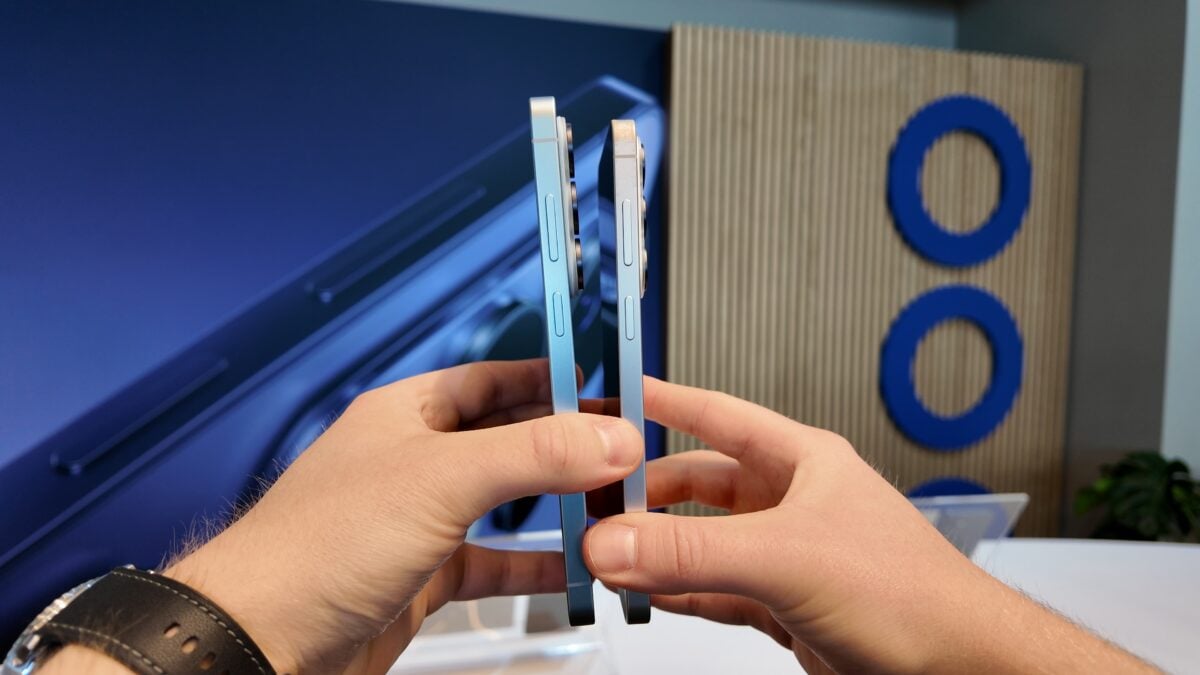
Record-Breaking Dimensions: How Thin is the S26 Ultra?
The Galaxy S26 Ultra measures a remarkable 7.9mm in thickness. This measurement officially crowns it as the slimmest Ultra model to date, even surpassing the legendary Note 20 Ultra. While it doesn't quite reach the absolute record of 5.8mm set by the specialized Galaxy S25 Edge, achieving sub-8mm thickness while housing an internal S Pen is nothing short of an engineering miracle.
Weight Comparison: A Lighter Experience Without Compromise
Beyond its thinness, the S26 Ultra is notably easier to handle due to its reduced weight. Clocking in at 214 grams, it stands as one of the lightest Ultra models ever. Historically, only the Note 20 Ultra was lighter (208g), but within the dedicated Galaxy S Ultra lineup, the S26 Ultra takes the gold medal for weight reduction. This makes the Galaxy S26 Ultra a much more comfortable choice for long-term daily use.
What makes these figures particularly impressive is that Samsung achieved this without compromising core features. The phone still includes the S Pen and utilizes a durable aluminum frame. While Samsung heavily marketed titanium for the S25 Edge, the return to aluminum for the S26 Ultra suggests that the company can achieve premium slimness and lightweight design using traditional high-quality materials.
Is the Galaxy S26 Ultra the thinnest phone Samsung has ever made?
No, the title for the thinnest slab-type smartphone from Samsung still belongs to the Galaxy S25 Edge, which boasts an incredibly slim 5.8mm profile. However, the S26 Ultra is the thinnest model specifically within the "Ultra" flagship category at 7.9mm.
Does the slimmer design mean a smaller battery?
Surprisingly, no. Despite the reduction in thickness and weight, Samsung has managed to maintain the high standards of the Ultra line, ensuring the device remains a powerhouse in both performance and battery longevity.
Why did Samsung switch from Titanium to Aluminum?
While titanium was a major focus for previous models like the S25 Edge, the switch to aluminum for the S26 Ultra demonstrates that Samsung can reach record-breaking weight and thinness goals without relying on exotic materials, potentially offering a more balanced structural design.
How does the weight of the S26 Ultra compare to the S23 Ultra?
The difference is quite significant. The Galaxy S23 Ultra weighed 234 grams, while the new S26 Ultra weighs only 214 grams. This 20-gram reduction makes a noticeable difference in hand-feel and portability.
🔎 The Samsung Galaxy S26 Ultra represents a significant milestone in smartphone design, proving that "Ultra" doesn't have to mean "bulky." By refining the internal architecture and revisiting material choices, Samsung has delivered a flagship that is both a powerhouse and a masterpiece of slim engineering. As users look for more ergonomic devices that don't sacrifice the S Pen or battery life, the S26 Ultra stands as a testament to what is possible in the modern era of mobile technology.
Post a Comment