
Samsung Galaxy S26 Ultra Camera Leak: Is the Revolutionary ALoP Zoom Lens Finally Arriving?
Recent leaks regarding Samsung's upcoming flagship have sparked a massive wave of excitement among mobile photography enthusiasts. After two years of what some considered a "downgrade" in telephoto hardware, the Galaxy S26 Ultra might finally be the vessel for Samsung’s most advanced camera technology yet. The big question remains: Is the "All Lenses on Prism" (ALoP) system finally ready for primetime?
Article Summary:
- ✨ Potential debut of Samsung's All Lenses on Prism (ALoP) zoom technology.
- ✨ Leaked images show a circular lens opening, differing from previous rectangular periscopes.
- ✨ Significant aperture upgrades (F1.4 and F2.9) for superior low-light performance.
- ✨ Maintenance of the 200MP primary sensor with refined optical characteristics.
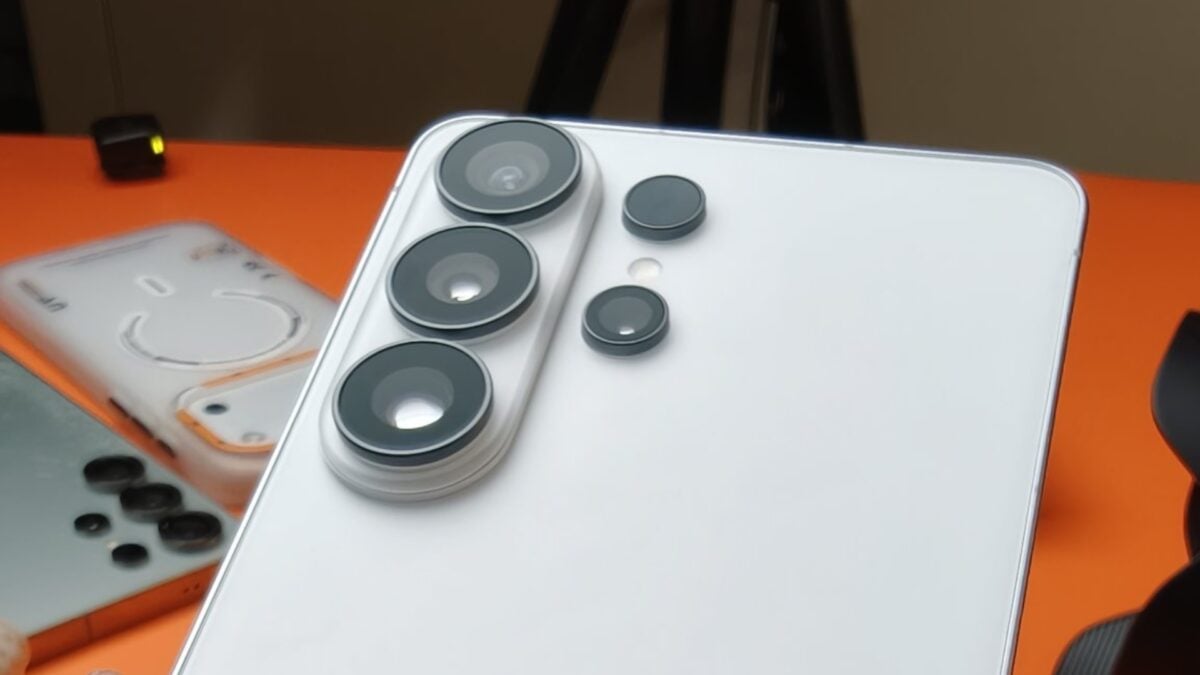
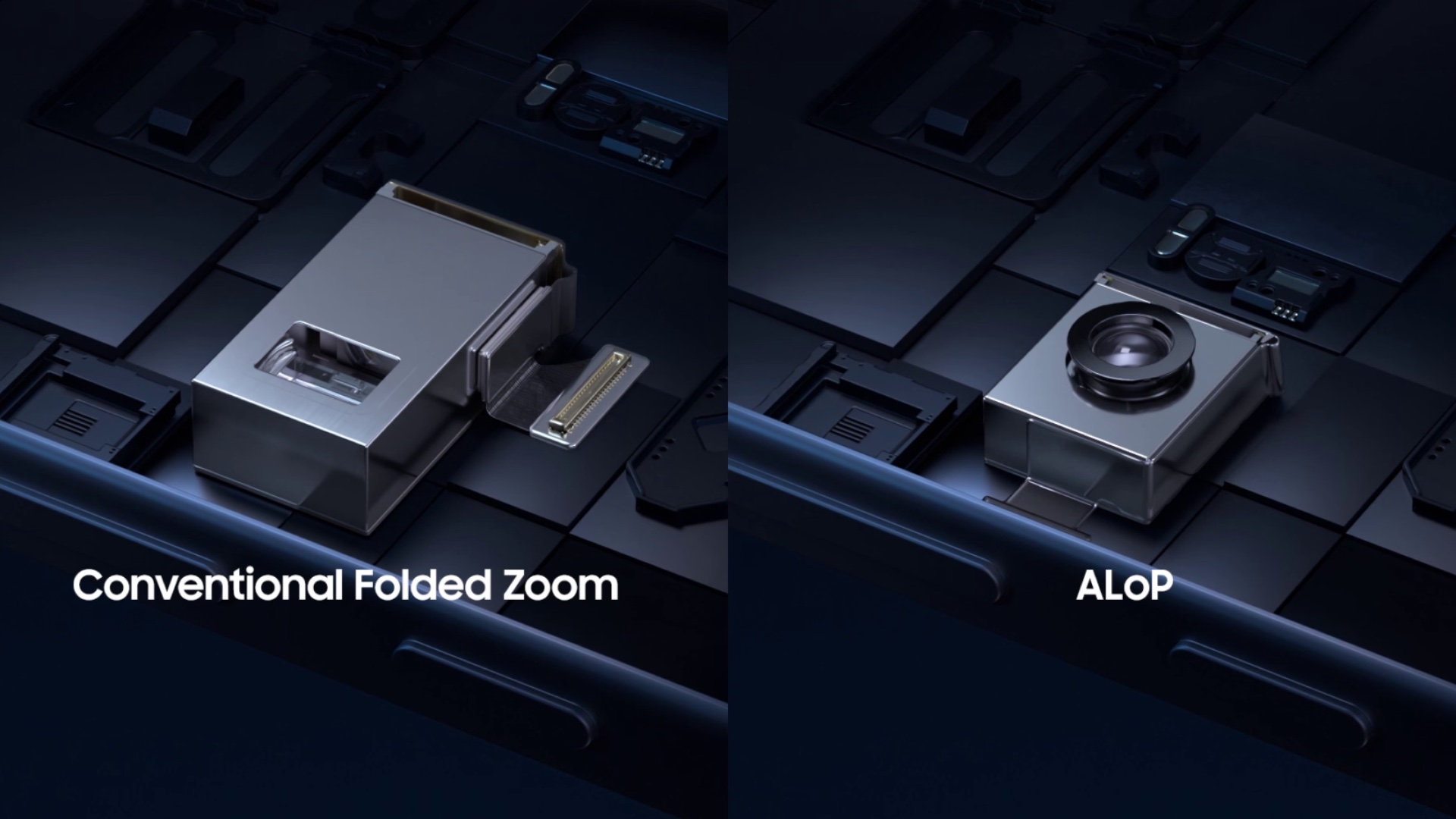
Historically, the Galaxy S24 Ultra and the current S25 Ultra utilized a standard periscope-style lens capable of 5x optical zoom. While effective, these modules often require significant internal space. Samsung’s ALoP technology, which was showcased as a concept a few years back, promises to deliver high-quality zoom in a much more compact form factor. By placing all lens elements directly on the prism, Samsung can reduce the module's length and increase the aperture size, potentially solving the low-light issues often associated with telephoto lenses.
Freshly leaked images and videos of a physical Galaxy S26 Ultra unit have added fuel to the fire. Observers have noted that the telephoto lens opening on the new unit is distinctly circular. This is a departure from the rectangular "letterbox" openings found on the Galaxy S23 Ultra through the S25 Ultra. This visual shift is the primary evidence leading many to believe that ALoP is finally being integrated into the flagship lineup.
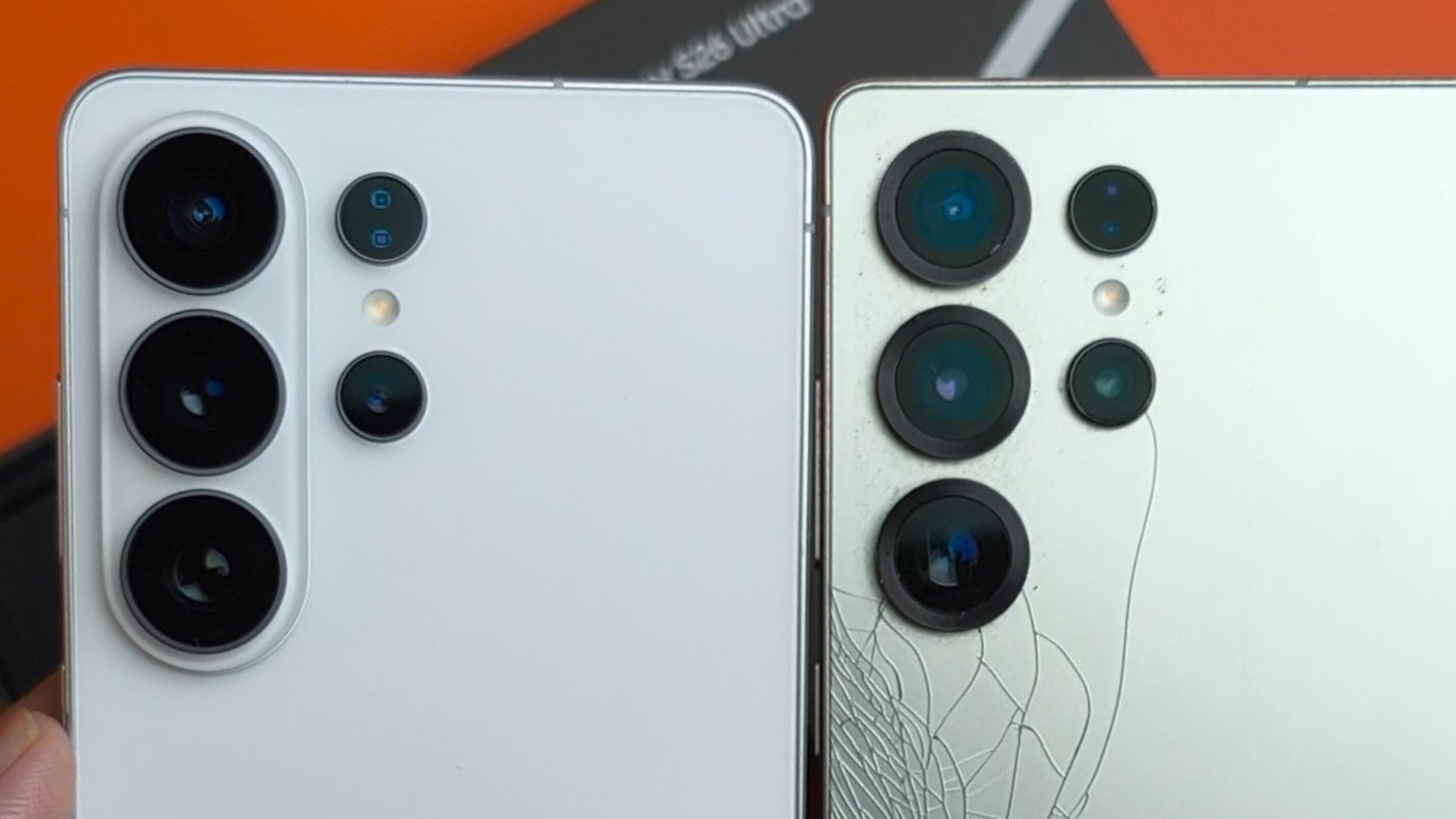
Visual comparison: The Galaxy S26 Ultra (Left) features a circular opening compared to the S25 Ultra (Right).
Breaking Down the Hardware: What We Know So Far
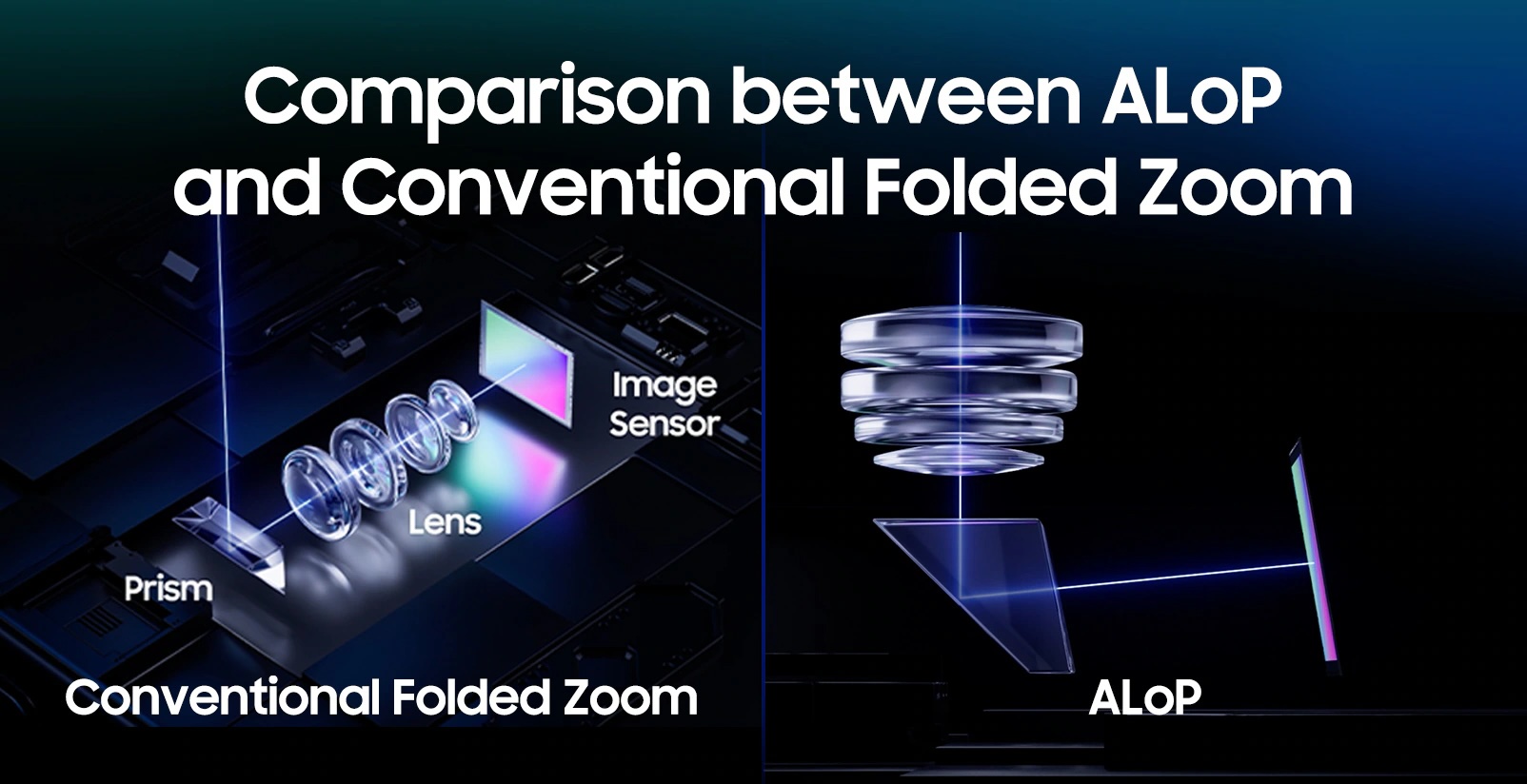
While the circular opening is a strong hint, it is not definitive proof of ALoP. Competitive devices like the iPhone 16 Pro Max also utilize circular openings for their periscope systems. Samsung might simply be refining the existing periscope architecture to allow for better light intake. Regardless of the specific branding of the lens, the hardware specs suggest a major leap forward in image quality.
Reports indicate that the Galaxy S26 Ultra will retain its familiar sensor resolutions but will drastically improve the glass sitting in front of them. We are looking at a 200MP main sensor, a 50MP ultrawide, and a dual-telephoto setup (10MP at 3x and 50MP at 5x). The real magic lies in the apertures. The main camera is expected to jump to an F1.4 aperture, while the 5x telephoto moves to F2.9. This allows significantly more light to reach the sensor, which translates to cleaner shots in dark environments and a more natural bokeh effect.
Anticipated Camera Specifications
Beyond the zoom capabilities, the selfie camera is expected to remain a 12MP unit with reliable autofocus. The focus for this generation is clearly on "light capture" rather than "pixel count." By widening the apertures across the board, Samsung is addressing the one area where smartphone cameras still struggle: high-quality photography in challenging lighting conditions
What exactly is ALoP technology in Samsung cameras?
ALoP stands for "All Lenses on Prism." Unlike traditional periscope lenses where the lens elements are placed between the prism and the sensor, ALoP places the lenses directly on top of the prism. This allows for a much shorter camera module and a wider aperture, resulting in better low-light performance and a slimmer phone design.
Will the Galaxy S26 Ultra have a better zoom than the S25 Ultra?
While the optical zoom level might stay at 5x, the quality of the zoom is expected to improve significantly. With a rumored aperture of F2.9 (compared to F3.4 on the S25 Ultra), the S26 Ultra will capture more light, leading to sharper images with less noise, especially in indoor or evening settings.
Is the 200MP sensor changing on the new model?
The sensor resolution is expected to remain at 200MP, but the lens aperture is reportedly being widened to F1.4. This is a massive upgrade from the F1.7 aperture on the previous model, allowing for significantly better light gathering and a shallower depth of field for more professional-looking photos.
Why did the lens opening change from rectangular to circular?
A circular opening usually indicates a different lens arrangement or a larger lens diameter. In the case of the Galaxy S26 Ultra, this change supports the theory that Samsung is either using the new ALoP architecture or a significantly upgraded periscope system designed to maximize light intake.
🔎 In conclusion, the Galaxy S26 Ultra is shaping up to be a pivotal release for Samsung's imaging department. Whether the circular lens confirms the arrival of ALoP or simply represents a more efficient periscope design, the move toward wider apertures across all sensors is a win for consumers. By prioritizing light capture and optical efficiency over mere megapixel increases, Samsung is ensuring that its next Ultra remains the gold standard for mobile photography in 2026 and beyond.
Post a Comment