
Samsung Galaxy S26 Ultra Ocean Mode: Professional Underwater Photography Reimagined
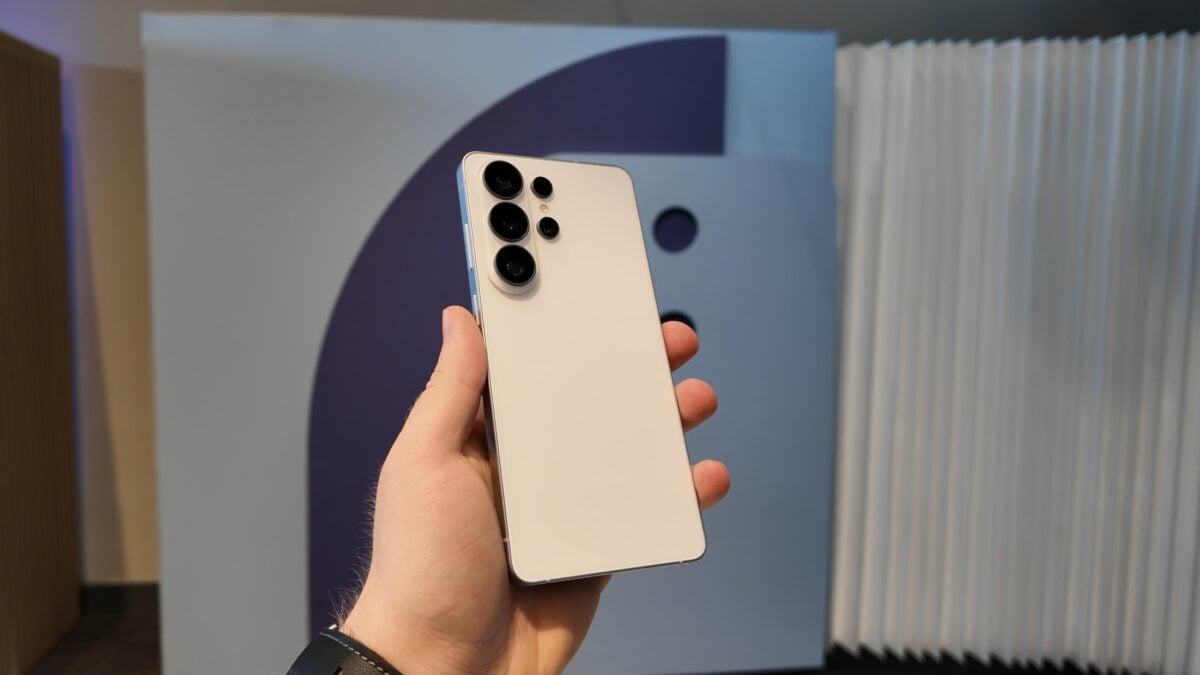
Samsung has officially expanded its photographic horizons by bringing a formerly niche camera technology to the masses. Initially teased as a specialized tool for environmentalists, the innovative Ocean Mode has made its grand debut on the Galaxy S26 Ultra. Integrated directly into the Expert RAW ecosystem, this feature promises to transform how mobile photographers capture the mysterious beauty of the deep blue. However, as exciting as this software leap is, it comes with vital caveats regarding the physical limits of the hardware.
- ✨ Expert RAW Integration: Ocean Mode is now a standard feature for the Galaxy S26 Ultra via Samsung's professional camera app.
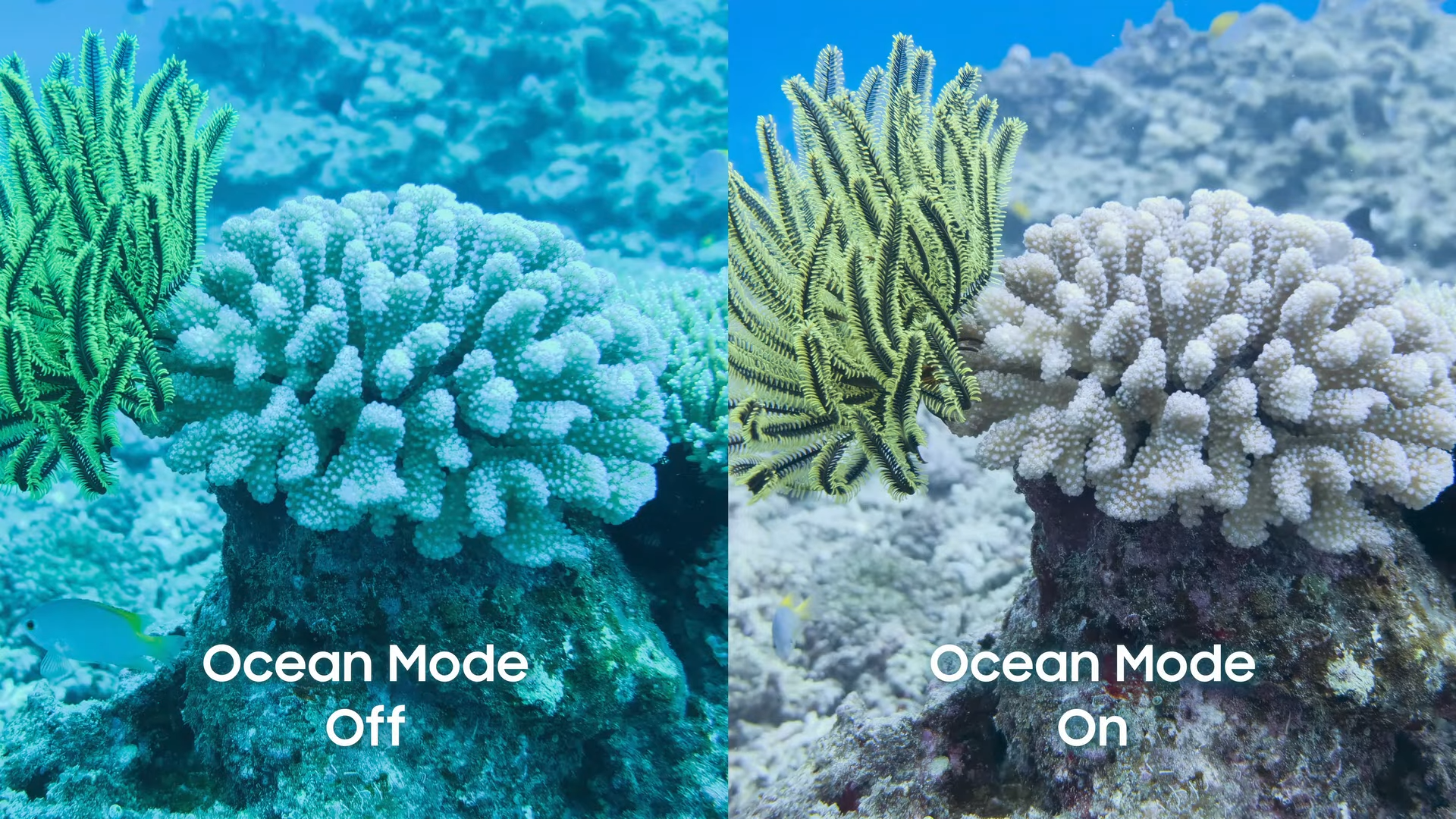
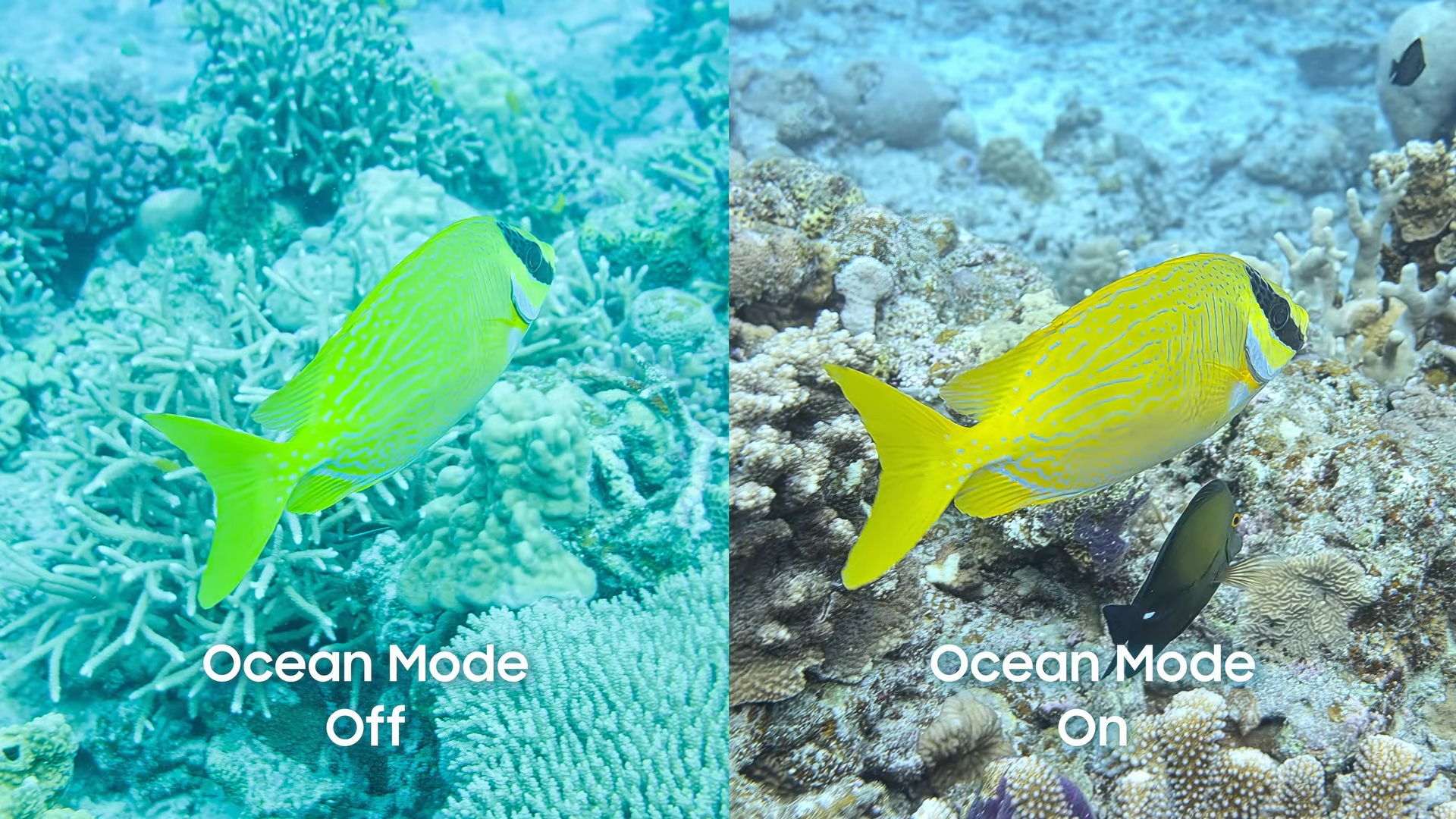
- ✨ Algorithmic Correction: The mode uses advanced AI to eliminate underwater color distortion and lensing effects.
- ✨ Conservation Roots: Originally developed to assist coral reef restoration in Fiji and Indonesia.
- ✨ Hardware Warning: Despite the software, an IP68 rating does not make the phone a dedicated diving camera without external protection.
Quick Summary: The Galaxy S26 Ultra inherits the once-exclusive Ocean Mode, allowing users to take professional-grade underwater photos. While the AI-driven Expert RAW tool corrects for the visual distortions of water, Samsung emphasizes that the device still requires specialized watertight housing for actual sea diving to prevent saltwater damage.
From Conservation Tool to Flagship Feature
Roughly a year ago, Samsung unveiled a unique camera technology aimed at supporting global coral restoration efforts. At its inception, Ocean Mode was a restricted tool used by marine biologists in Fiji, Indonesia, and the United States to document reef health and generate high-fidelity 3D models. By launching the Galaxy S26 Ultra, Samsung has finally democratized this technology, embedding it within the Expert RAW application for all enthusiasts to enjoy.
Underwater photography is notoriously difficult due to how water refracts light, often resulting in "washed-out" blues, greens, and significant blurring. Ocean Mode solves this through a sophisticated algorithm that adjusts white balance, sharpens edges, and removes the "lensing" effect that typically necessitates expensive, specialized diving camera gear. It ensures that the vibrant colors of marine life are preserved exactly as they appear to the human eye.
Vital Protection: Knowing the Limits of IP68
While the software is ready for the deep, the hardware requires a cautious approach. The Galaxy S26 Ultra retains an IP68 rating, which technically allows for submersion in fresh water up to 1.5 meters for 30 minutes. However, Samsung is quick to point out that "water-resistant" is not the same as "waterproof," especially in the harsh environment of the open sea.
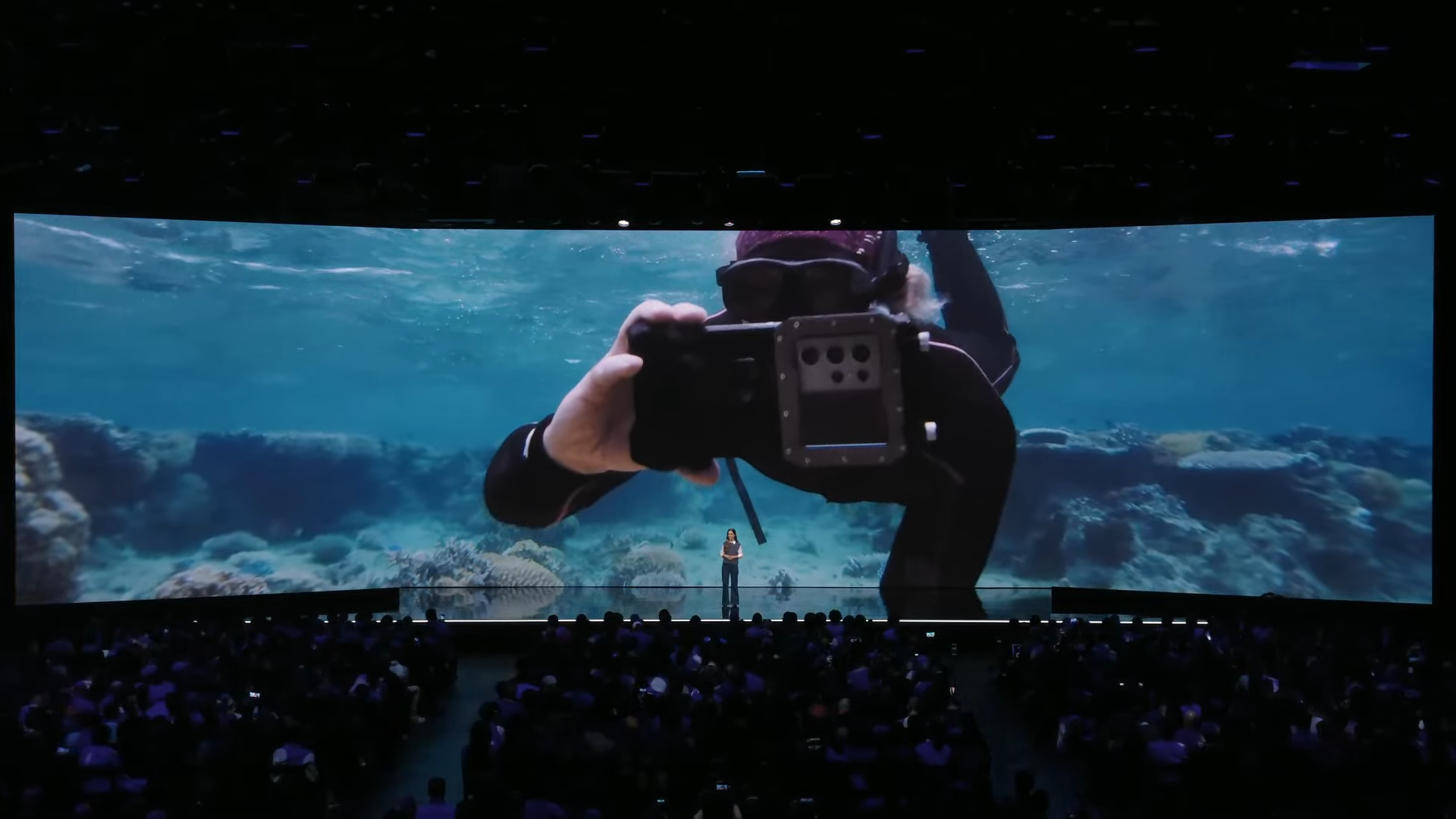
Saltwater is highly corrosive and can quickly perish the rubber seals and adhesives that keep your device dry. Furthermore, swimming pools with high chlorine levels or detergents can also compromise the phone's integrity over time. To truly utilize Ocean Mode safely, users should follow the example of the professional communities who first tested the tech: always use a high-quality, watertight transparent housing when diving
The inclusion of Ocean Mode is a testament to the sheer processing power of the Expert RAW app. It proves that Samsung is no longer just competing on hardware specs but is leading the charge in computational photography that solves real-world environmental and artistic challenges.
How do I access Ocean Mode on my device?
Ocean Mode is not found in the standard camera app. To use it, you must download the Expert RAW app from the Galaxy Store. Once inside, you can navigate to the specialized shooting modes to toggle Ocean Mode on.
Can I use Ocean Mode for snorkeling without a case?
While the IP68 rating allows for shallow submersion in fresh water, it is highly discouraged to use the phone in saltwater (the ocean) without a protective watertight case. Salt can cause permanent damage to the charging port and internal seals.
What makes Ocean Mode different from a standard filter?
Unlike a simple blue-light filter, Ocean Mode uses complex algorithms to correct for physical light refraction and "backscatter" (light reflecting off particles in the water). It essentially re-calculates the image data to provide a clear, true-to-life view.
Will Ocean Mode be available on older Galaxy S models?
Currently, the feature is optimized for the advanced ISP (Image Signal Processor) found in the Galaxy S26 Ultra. While Samsung occasionally brings features to older flagships via software updates, there is no official word on support for the S25 or S24 series yet.
🔎 In conclusion, the arrival of Ocean Mode on the Galaxy S26 Ultra marks a significant milestone in mobile imaging. By bridging the gap between professional marine photography and consumer technology, Samsung has provided a powerful new tool for creators. However, users must remember that while the software is "ocean-ready," the hardware still requires the respect of a proper protective barrier to ensure your flagship remains in pristine condition for years to come.
Post a Comment