
Samsung Galaxy S26 Ultra: Pioneering Professional Video with World-First APV Codec Support
The Galaxy S26 Ultra has officially debuted as Samsung’s most sophisticated flagship to date, pushing the boundaries of mobile innovation. This device isn't just a minor iteration; it introduces a groundbreaking Privacy Display to safeguard on-screen information, a significantly more efficient processor for peak performance, and substantial upgrades to its camera array. Beyond the hardware, Samsung has focused on empowering creators with faster charging and professional-grade tools, most notably the inclusion of the Advanced Professional Video (APV) codec.
- ✨ The world’s first smartphone to offer native support for the professional APV video codec.
- ✨ Delivers cinematic-grade video quality while reducing file sizes by approximately 20% compared to HEVC.
- ✨ Supports ultra-high resolutions including 4K and 8K with HDR10+ metadata.
- ✨ Seamlessly integrates into professional workflows with support for DaVinci Resolve and LumaFusion.
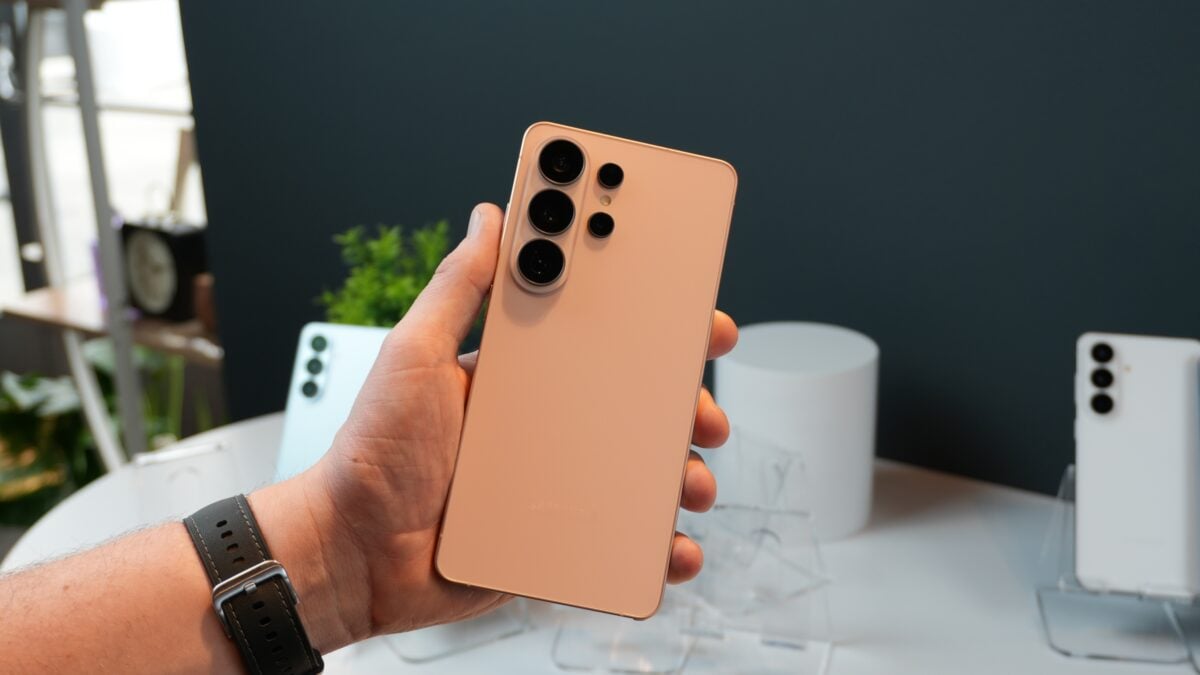
With the launch of this device, Samsung is bridging the gap between mobile enthusiasts and professional cinematographers. The Galaxy S26 Ultra is designed to be a portable studio, offering features that were previously reserved for high-end dedicated cinema cameras.
Revolutionizing Mobile Cinematography with APV Support
Samsung initially unveiled the APV (Advanced Professional Video) codec in 2023, envisioning a future where smartphones could handle professional-grade post-production. This codec is "perceptually lossless," meaning it maintains incredible visual fidelity while optimizing storage. According to technical data from Samsung, users can expect to capture cinematic footage that takes up 20% less space than standard HEVC files without sacrificing a single detail.
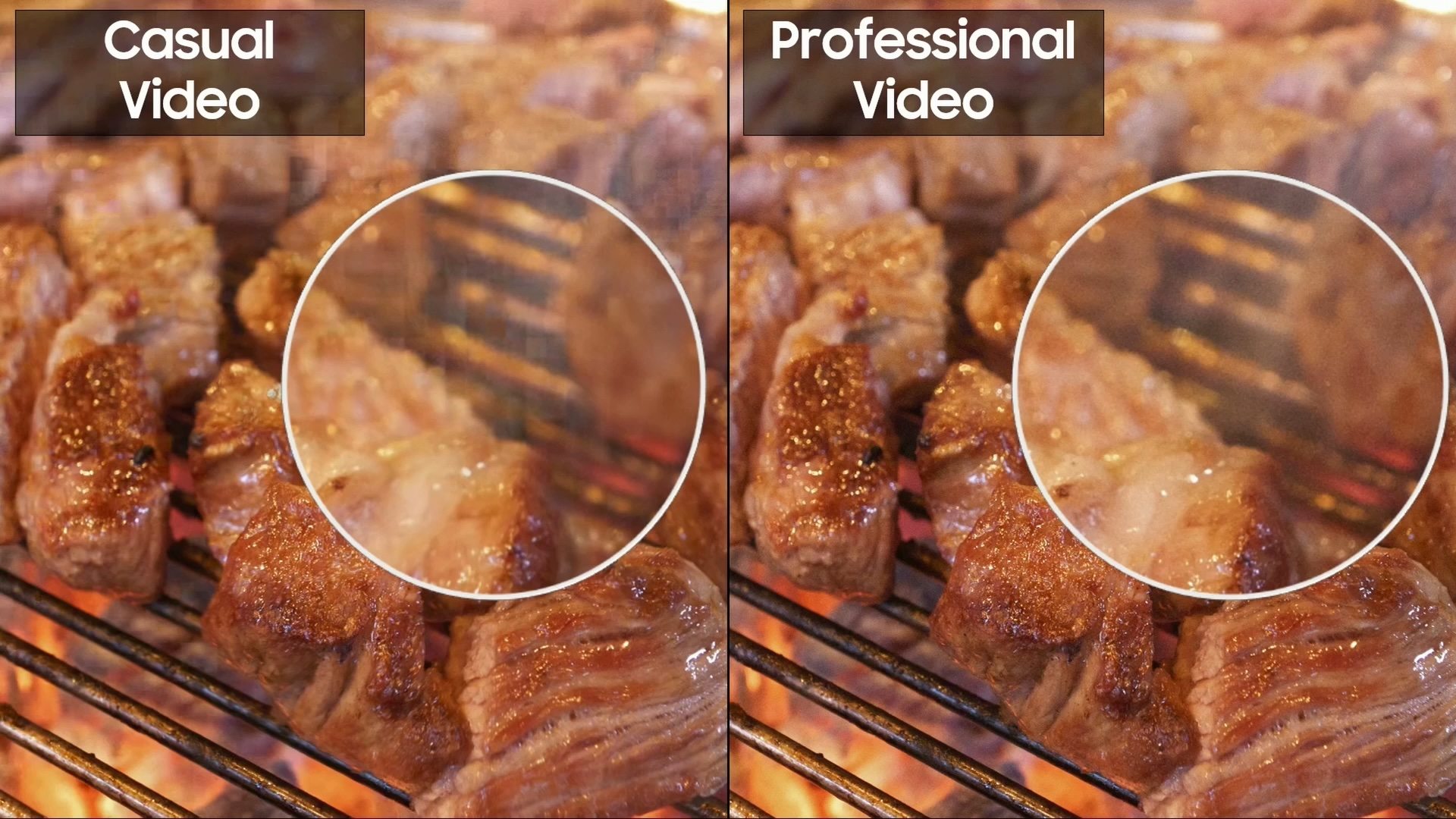

The versatility of the APV codec is unmatched in the mobile space. It supports Full HD, 4K, and 8K resolutions, and is fully compatible with HDR10 and HDR10+ formats. For high-end productions, it offers video bit depths ranging from 10-bit to a staggering 16-bit. Furthermore, it facilitates advanced features like frame tiling for immersive VR content, parallel encoding for faster processing, and various chroma subsampling options (4:2:2 and 4:4:4), ensuring color accuracy remains pristine
Ecosystem Integration and Hardware Synergy
Software and hardware have aligned perfectly for this launch. Google has introduced native support for APV within Android 16, ensuring the operating system is ready for high-bitrate data. On the hardware side, the Exynos 2600 chipset provides the necessary computational power for real-time APV encoding. Similarly, for regions receiving the Snapdragon variant, the Snapdragon 8 Elite Gen 5 offers dedicated silicon-level support for the codec.
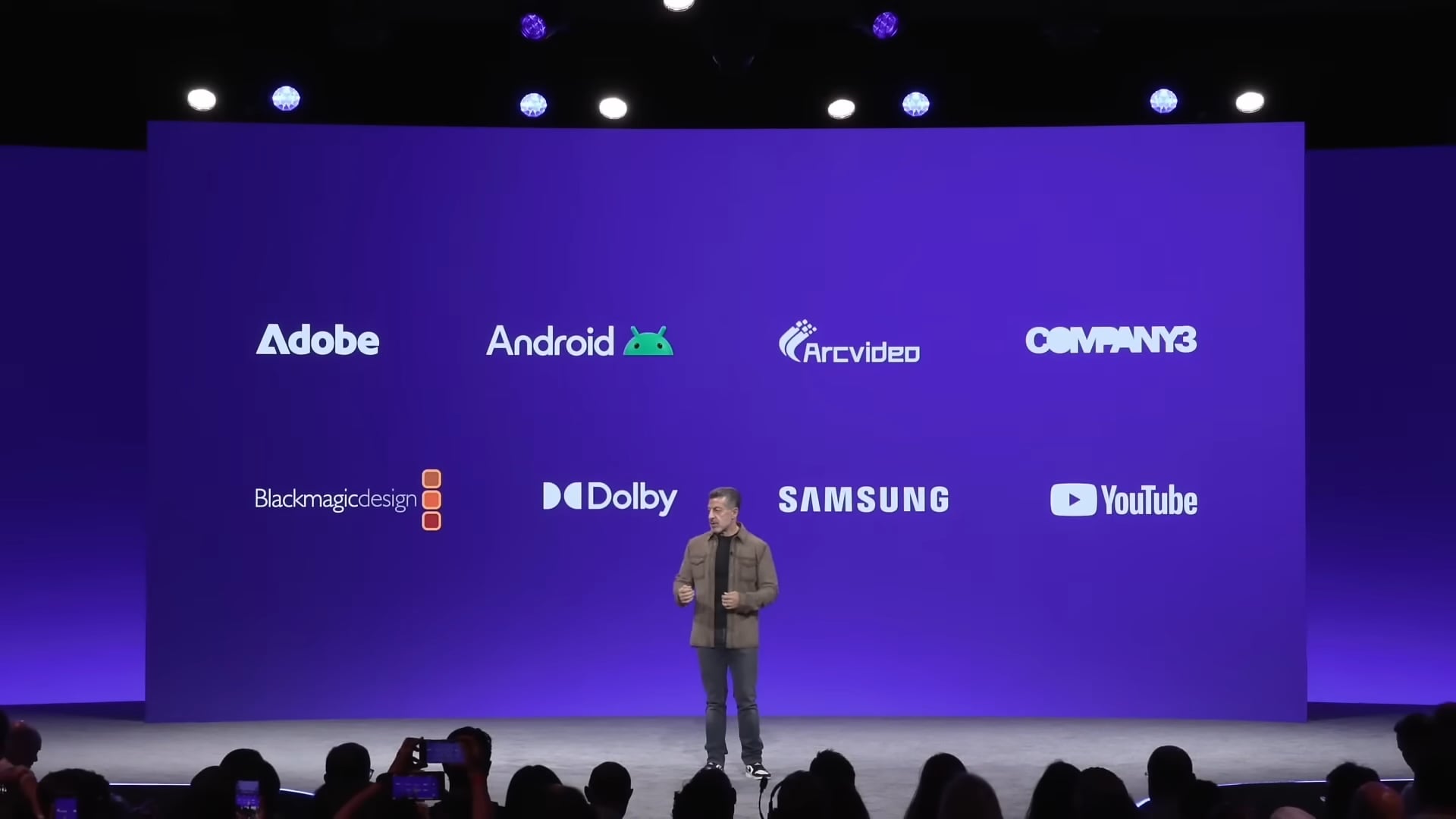
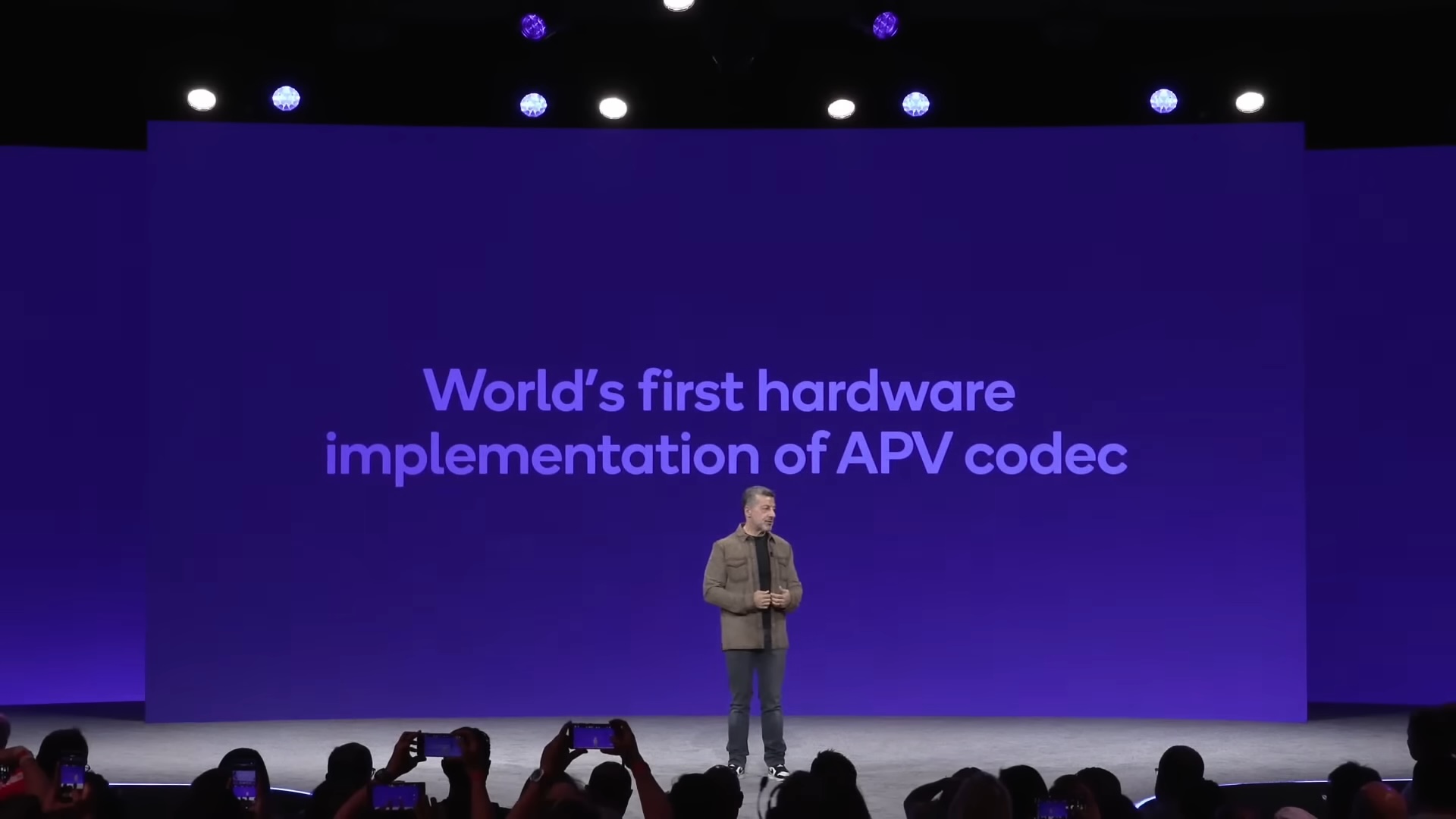
This advancement isn't limited to capturing footage; it's about the entire creative lifecycle. APV files generated by the Galaxy S26 Ultra are immediately compatible with industry-standard editing software. Suites like DaVinci Resolve and LumaFusion have already updated their platforms to support the codec, allowing creators to move their high-quality smartphone footage directly into professional timelines without time-consuming conversions.
What exactly is the APV codec found in the Galaxy S26 Ultra?
The APV (Advanced Professional Video) codec is a high-performance video format developed by Samsung. It is designed to provide professional-grade, "perceptually lossless" video quality while maintaining manageable file sizes, specifically tailored for high-resolution mobile cinematography.
How does APV improve upon the standard HEVC format?
APV offers a significant efficiency boost, reducing video file sizes by nearly 20% compared to HEVC (H.265) without any noticeable loss in visual quality. This allows users to record longer high-quality clips, such as 8K video, without exhausting their phone's storage as quickly.
Is the Galaxy S26 Ultra the only phone that supports this?
At launch, the Galaxy S26 Ultra is the world's first smartphone to feature native chipset-level support for the APV codec, thanks to the integration of the Exynos 2600 and the Snapdragon 8 Elite Gen 5 processors.
Can I edit APV videos on professional computer software?
Yes, one of the primary benefits of APV is its professional compatibility. It is already supported by major video editing suites like DaVinci Resolve and LumaFusion, making it easy to include smartphone clips in professional film projects.
What video resolutions are supported by the APV codec?
The APV codec on the Galaxy S26 Ultra supports a wide range of resolutions, including standard Full HD, 4K, and ultra-high-definition 8K, along with advanced HDR formats like HDR10+.
🔎 In conclusion, the Samsung Galaxy S26 Ultra represents a massive leap forward for mobile content creation. By introducing native APV codec support, Samsung has successfully transformed the smartphone from a casual recording device into a legitimate tool for professional filmmakers. Whether you are a YouTuber, a social media influencer, or a professional videographer, the combination of the Exynos 2600’s power and the efficiency of the APV format ensures that your creative vision is never limited by your hardware. The future of mobile video has arrived, and it is more compact, detailed, and professional than ever before.
Post a Comment