
Samsung Galaxy S26 Ultra Privacy Display: New Independent Tests Reveal Record-Breaking Security
While Samsung has introduced a wide array of hardware and software enhancements with the new Galaxy S26 Ultra, the Privacy Display feature has emerged as the most talked-about innovation. Designed to elevate user privacy to unprecedented levels, many have wondered how this technology holds up under scrutiny. Recent independent testing has finally provided an answer, revealing that the display delivers truly exceptional results in real-world scenarios.
- ✨ Utilizes cutting-edge 2nd-generation Flex Magic Pixel (LEAD 2.0) technology.
- ✨ Reduces screen visibility to less than 1% at a 60-degree viewing angle.
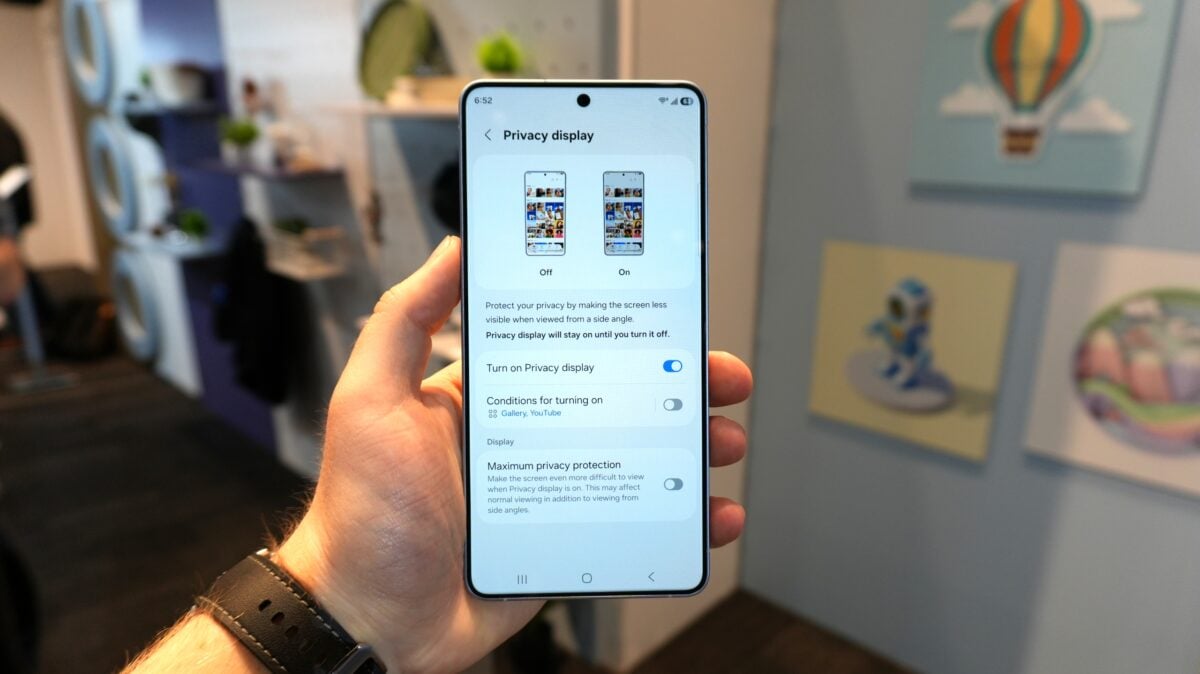
- ✨ Offers hardware-level control, allowing users to toggle privacy for specific apps or fields.
- ✨ Effectively blocks prying eyes from top, bottom, and side angles.
- ✨ Proven to be significantly more effective than traditional plastic privacy screen protectors.
Exceptional Visibility Reduction from Side Angles
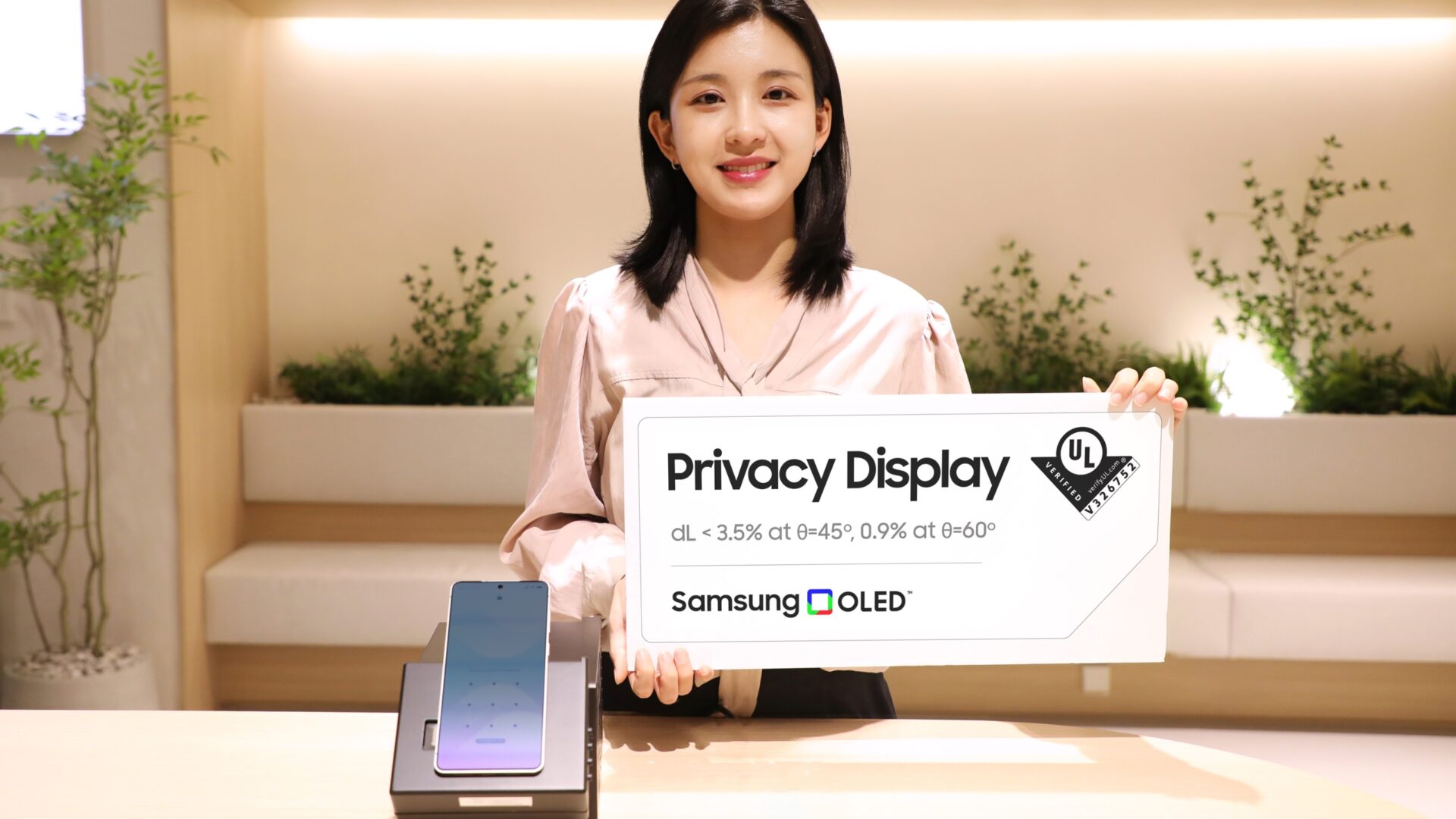
The performance of the Privacy Display was rigorously evaluated by UL Solutions, a globally recognized leader in independent certification and testing. The tests focused on Samsung Display's Flex Magic Pixel technology, which serves as the foundation for the Galaxy S26 Ultra screen. The results were staggering: the firm recorded a side-to-front brightness ratio of only 3.5% at a 45-degree angle, dropping even further to 0.9% or less at a 60-degree angle.
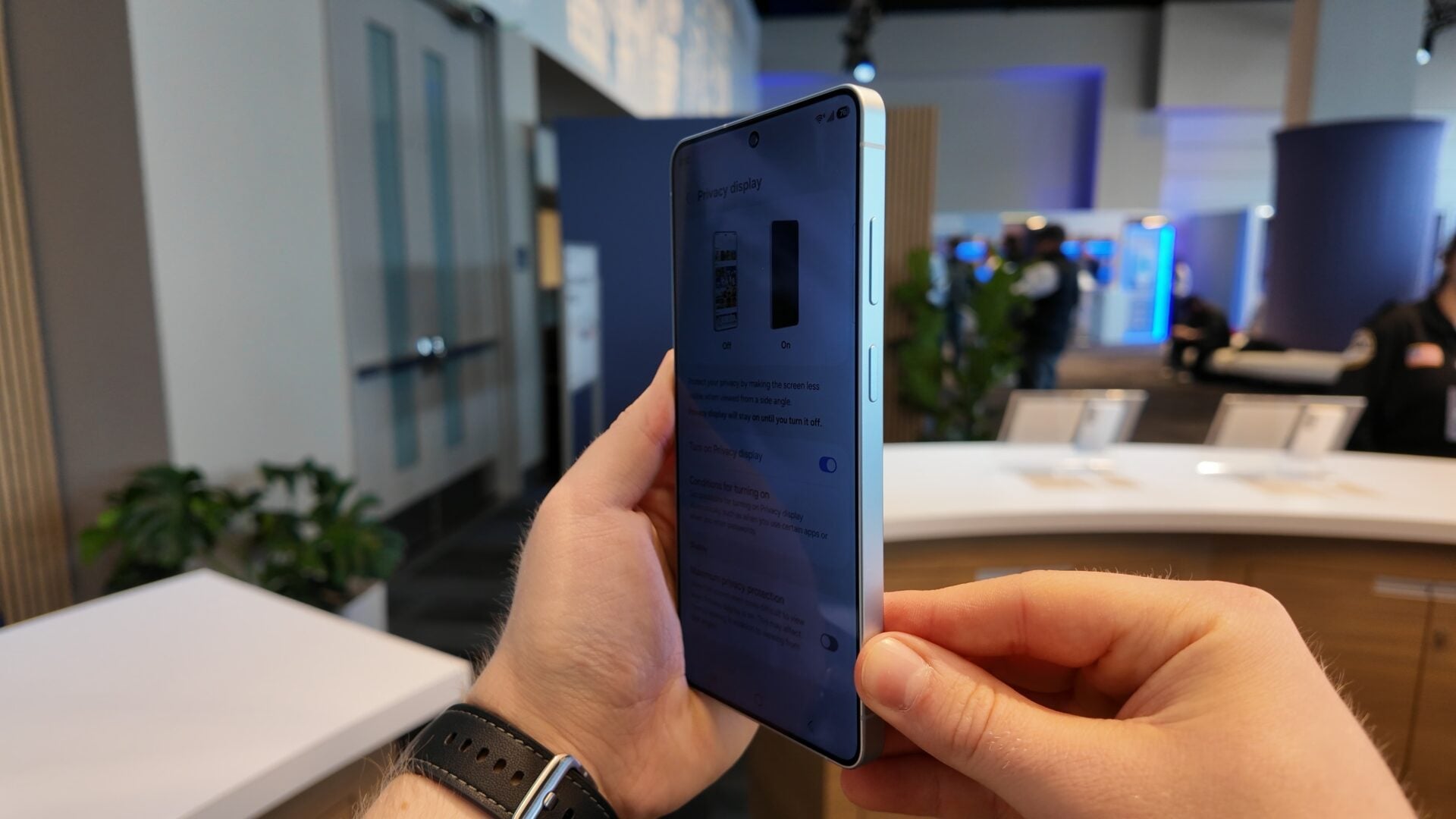
To put these numbers into perspective, when the device is viewed from a 45-degree angle, the brightness is so low that it becomes nearly impossible for a bystander to decipher the content on the screen. At 60 degrees, the screen appears almost entirely black to anyone but the user. In contrast, standard smartphone OLED panels typically maintain about 40% brightness visibility from the same side angles, leaving sensitive data exposed to "visual hackers.
Hardware-Based Advantage Over Screen Protectors
What sets the Samsung Display solution apart from third-party privacy filters is its hardware-integrated nature. Unlike physical screen protectors that permanently dim the display and can degrade touch sensitivity, this feature can be toggled on or off instantly. Users can even configure it to activate only during specific scenarios, such as when entering a PIN, typing a password, or opening sensitive banking applications.
Furthermore, traditional privacy protectors are usually only effective for horizontal viewing. Samsung’s technology works across multiple axes, protecting the screen from top and bottom viewing angles as well. This makes it a comprehensive shield for users in crowded public spaces like subways or elevators.
The Evolution of Flex Magic Pixel Technology
The journey toward this technology began years ago. Samsung Display first demonstrated the Flex Magic Pixel concept at the 2024 Mobile World Congress. The version found in the Galaxy S26 Ultra represents the second generation of this tech, internally referred to as LEAD 2.0. This iteration not only improves the blocking of off-axis viewing but also enhances the overall power efficiency of the Super AMOLED panel.
Samsung’s commitment to this field is backed by a massive intellectual property portfolio. Since 2020, the company has filed over 150 patents related to Flex Magic Pixel technology, solidifying its dominance in the mobile display market and ensuring that its flagship devices remain the gold standard for both visual quality and digital security.
What exactly is the Privacy Display feature on the Galaxy S26 Ultra?
It is a hardware-integrated technology based on Samsung Display's Flex Magic Pixel (LEAD 2.0). It allows the screen to drastically reduce its brightness and visibility when viewed from side angles, ensuring that only the person directly in front of the phone can see the content.
How much does the screen visibility drop when viewed from the side?
According to independent tests by UL Solutions, the brightness visibility drops to just 3.5% at a 45-degree angle and falls below 1% at a 60-degree angle, making the screen appear effectively blank to prying eyes.
Can I turn the Privacy Display feature off when I don't need it?
Yes. Unlike physical privacy screen protectors, this is a software-controlled hardware feature. You can turn it on or off manually, or set it to activate automatically for specific apps like banking or password entry fields.
Does this technology protect against viewing from the top or bottom?
Yes, one of the major advantages of the Flex Magic Pixel technology is that it works from multiple viewing angles, including top and bottom, whereas most traditional screen protectors only work for side-to-side (horizontal) privacy.
Will using the Privacy Display affect the overall screen quality or efficiency?
The LEAD 2.0 technology used in the Galaxy S26 Ultra is actually designed to improve overall panel efficiency. When the privacy mode is off, the screen functions as a top-tier OLED display with full brightness and color accuracy.
🔎 In conclusion, the Galaxy S26 Ultra's Privacy Display is a significant leap forward in mobile security. By integrating privacy directly into the OLED hardware, Samsung has provided a solution that is more effective, more flexible, and more efficient than any third-party accessory. As confirmed by UL Solutions, this technology ensures that your personal information remains truly personal, no matter where you are.
Post a Comment