
Samsung Galaxy S26 Ultra Revolutionizes Low-Light Photography with Advanced Nightography
While Samsung has not introduced major hardware overhauls to the Galaxy S26 Ultra cameras compared to its predecessor, the new Samsung flagship smartphone still manages to capture significantly better images and videos. This leap in quality is achieved through a meticulous combination of hardware refinements and cutting-edge software enhancements designed to master the dark.

Quick Article Summary:
- ✨ The primary 200MP sensor now features a wider F1.4 aperture for 47% more light intake.
- ✨ Telephoto capabilities are boosted with a new F2.9 aperture, increasing light by 37%.
- ✨ Powered by the Snapdragon 8 Elite Gen 5 for Galaxy with AI-enhanced image processing.
- ✨ Intelligent scene analysis optimizes faces, backgrounds, and textures while minimizing noise.
How Samsung Refined Nightography for the Galaxy S26 Ultra
A combination of hardware and software enhancements delivers an improved Nightography experience. So, what exactly is Nightography, and how has Samsung refined it further with the Galaxy S26 Ultra? Let’s take a closer look at the technical breakthroughs that make this device a low-light powerhouse.
Nightography is a term Samsung introduced back in 2022 to promote the ability of Galaxy phones to capture relatively superior images and videos in challenging low-light conditions. The company has improved this feature every single year through iterative hardware and software upgrades, and that trend reaches a new peak with the latest Ultra model.
The phone features a significantly wider aperture for both its 200MP primary camera and its 50MP telephoto camera. The primary camera now boasts an F1.4 aperture, compared to the F1.7 found on the Galaxy S25 Ultra. This physical change allows the sensor to capture 47% more light, which is crucial for maintaining detail in the shadows.
Furthermore, the 50MP telephoto camera utilizes an F2.9 aperture, which is wider than the previous F3.4 aperture. This change enables the zoom lens to capture 37% more light. This increased intake helps produce much brighter images and videos with significantly lower noise levels, even when zooming in at night.
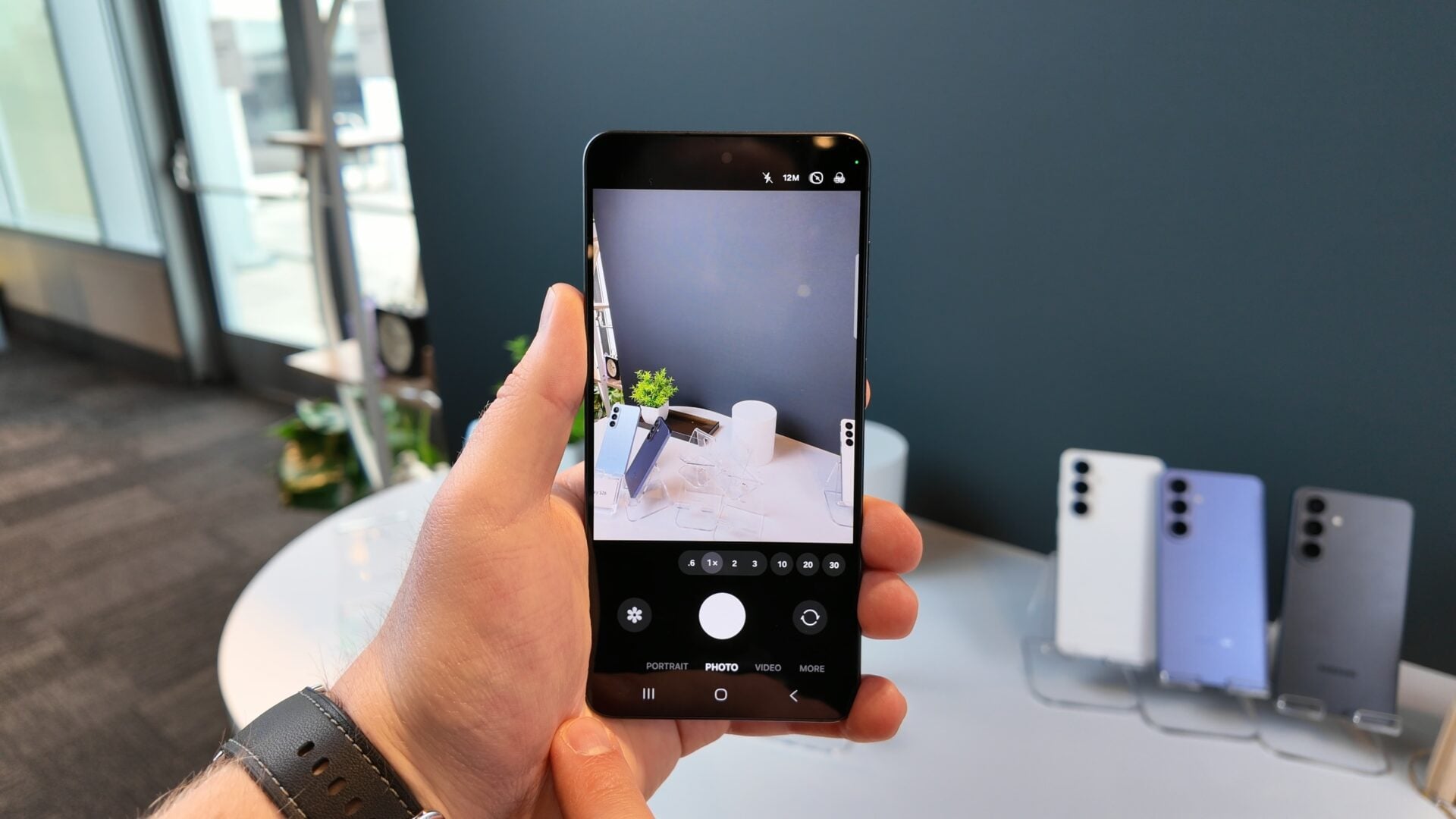
In addition to the physical hardware, the AI-enhanced image signal processor (ISP) inside the phone's Snapdragon 8 Elite Gen 5 for Galaxy chipset can better analyze scenes. It processes individual elements—such as people, faces, backgrounds, and objects—separately to optimize colors and textures while aggressively reducing noise. The result is a cleaner, sharper image with a vastly improved dynamic range.
The synergy between increased light intake and more powerful AI processing allows the Samsung flagship to capture memories that look professional, even in the dimmest environments. Compared to its predecessor, the improvements in clarity and color accuracy are immediately noticeable.
What exactly is Samsung's Nightography technology?
Nightography is a suite of camera features combining large sensors, wide apertures, and AI processing to enable Galaxy smartphones to take bright, clear photos and videos in low-light environments without needing a bulky flash.
How does the Galaxy S26 Ultra camera differ from the S25 Ultra?
The main difference lies in the aperture sizes. The S26 Ultra's primary camera moved from F1.7 to F1.4, and the telephoto lens moved from F3.4 to F2.9, allowing for much higher light sensitivity and better performance in the dark.
What role does the Snapdragon 8 Elite Gen 5 play in photography?
The chipset features an AI-enhanced Image Signal Processor (ISP) that performs real-time semantic segmentation. This means it identifies different parts of a photo (like a face versus a tree) and applies specific optimizations to each part to reduce noise and enhance detail.
Is the 200MP sensor still used in the Galaxy S26 Ultra?
Yes, the Galaxy S26 Ultra retains the high-resolution 200MP primary sensor, but it is now paired with a wider aperture and better processing to maximize the quality of those 200 million pixels.
🔎 In conclusion, the Galaxy S26 Ultra proves that you don't always need a complete hardware redesign to achieve meaningful progress. By focusing on the fundamentals of light intake through wider apertures and leveraging the massive AI processing power of the latest Snapdragon chipset, Samsung has once again set a high bar for mobile photography. Whether you are capturing a late-night city skyline or a candlelit dinner, the S26 Ultra ensures your memories are preserved with stunning clarity and vibrant detail.
Post a Comment