
Samsung Galaxy S26 Ultra: The Truth Behind the 10-Bit Display Controversy
The recent Galaxy Unpacked 2026 event was a showcase of innovation, where Samsung unveiled a plethora of hardware improvements for its latest flagship, the Galaxy S26 Ultra. While many features were highlighted on stage, several technical nuances only surfaced during deep-dive press briefings or through early hands-on usage. One of the most discussed topics among tech enthusiasts is the significant upgrade to the device's screen: the transition to a 10-bit color depth, a notable jump from the 8-bit panels used in previous generations.
- ✨ Samsung has officially confirmed that the Galaxy S26 Ultra features a 10-bit color depth display.
- ✨ A 10-bit panel supports 1.01 billion colors, drastically reducing color banding compared to 8-bit screens.
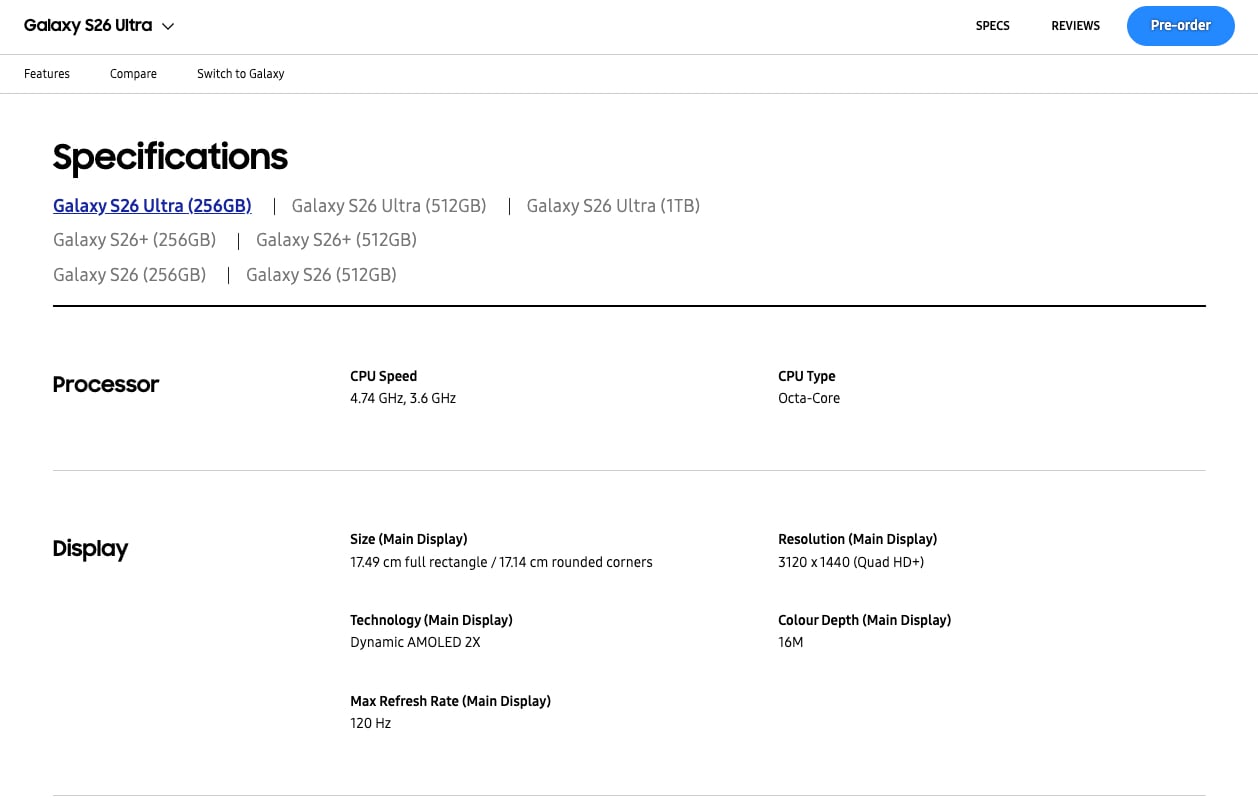
- ✨ Conflicting data on Samsung's official website caused confusion by listing 16 million colors (8-bit).
- ✨ Real-world comparisons demonstrate superior visual fidelity and smoother gradients on the new model.
To understand why this matters, we must look at the numbers. An 8-bit color depth is capable of producing approximately 16 million colors. In contrast, a 10-bit color depth expands this palette to a staggering 1.01 billion colors. This technical leap theoretically eliminates "banding"—those visible lines you sometimes see in gradients like a sunset or a clear blue sky—and ensures professional-grade color accuracy. However, a wave of confusion hit the community when Samsung's official product page for the Samsung Galaxy S26 Ultra continued to list the display as having only 16 million colors. This discrepancy left many wondering: is the 10-bit claim just marketing, or is the website simply outdated?
Direct Confirmation from Samsung
In a quest for clarity, direct inquiries were made to Samsung regarding the Galaxy Unpacked 2026 lineup. The brand clarified that all three flagship models—the Galaxy S26, Galaxy S26+, and Galaxy S26 Ultra—are indeed equipped with 10-bit color depth displays. This message was consistently delivered to multiple global media outlets, suggesting that the hardware upgrade is universal across the new series.
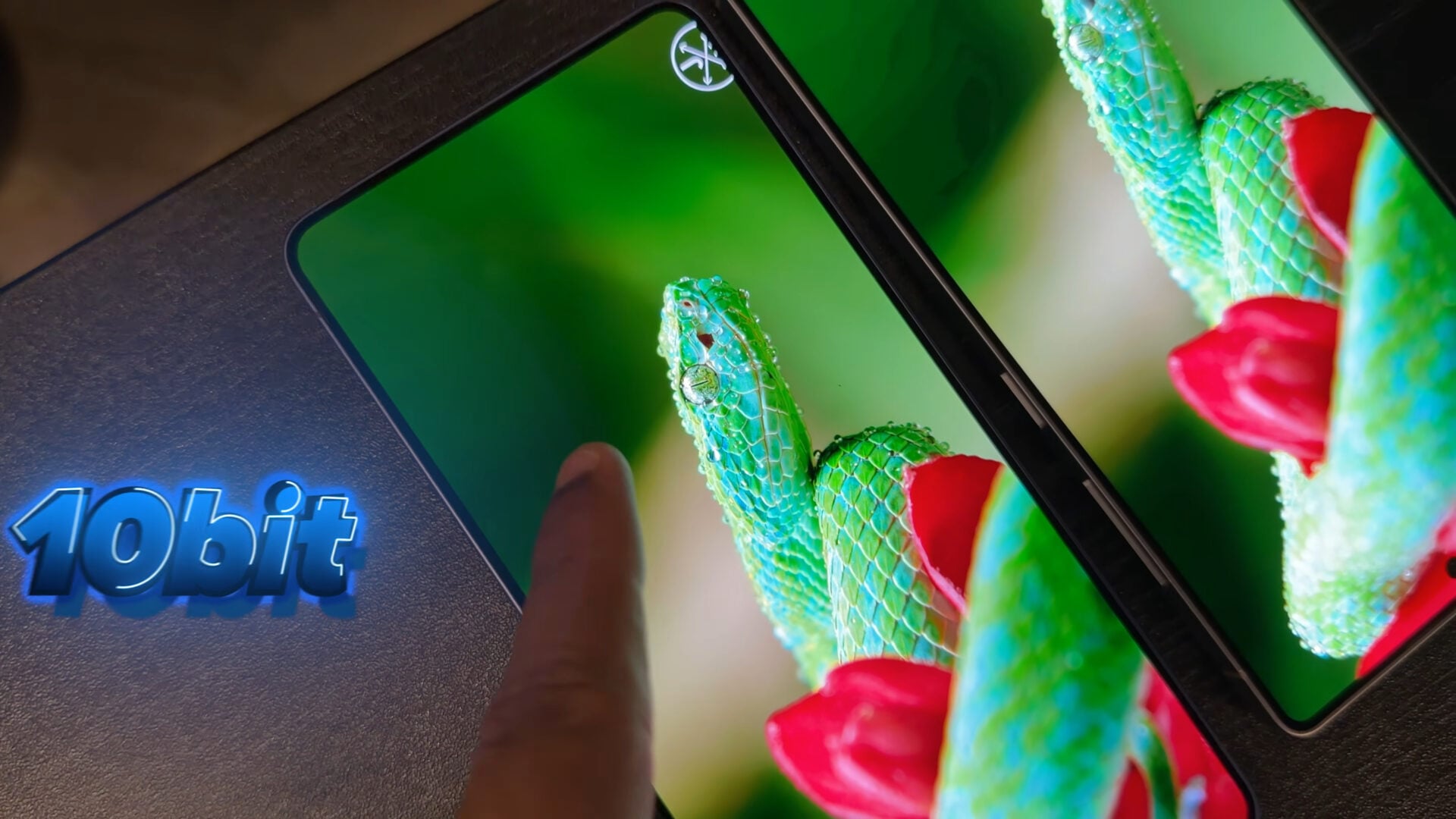
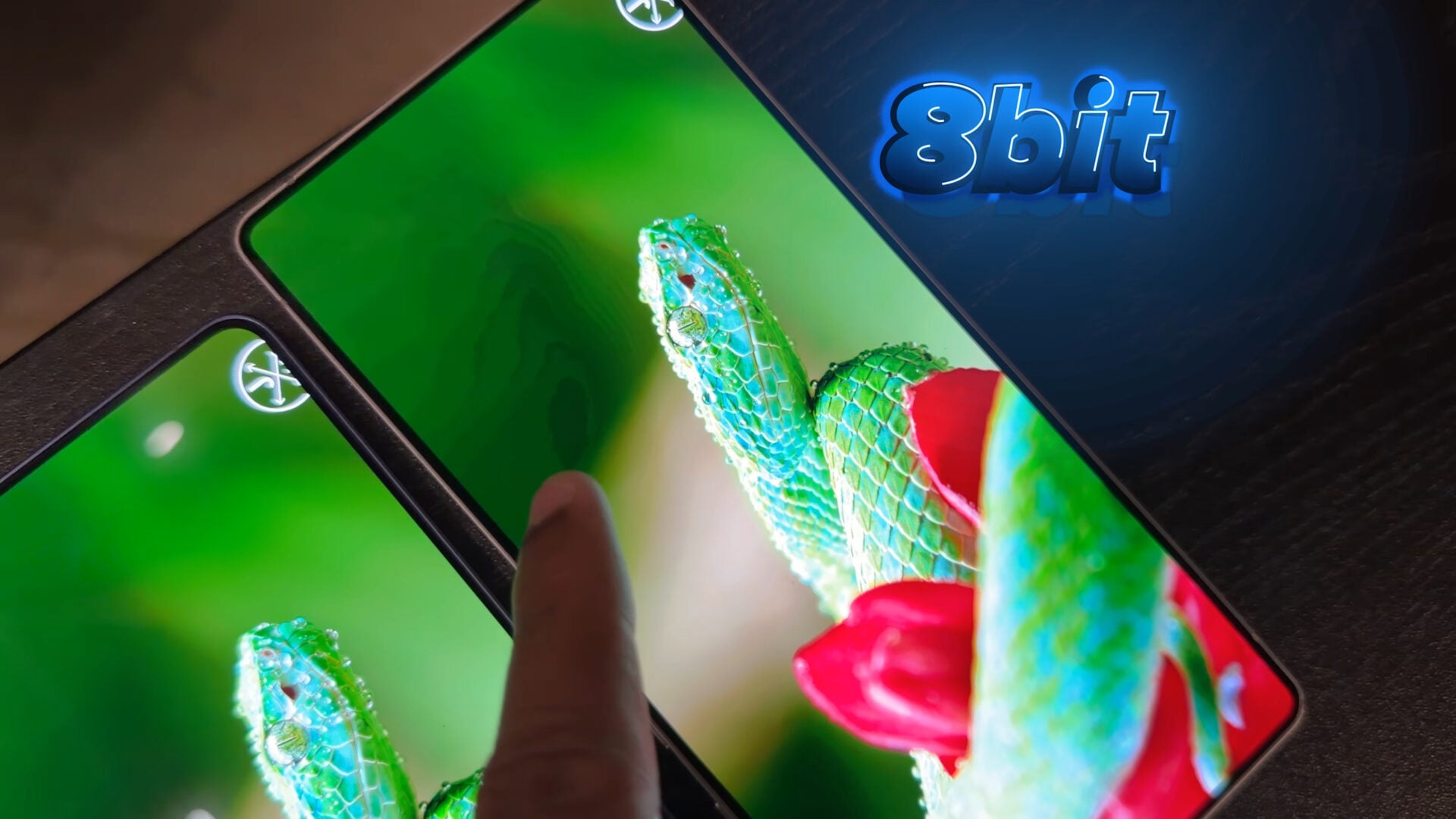
Visual proof further supports these claims. Independent testing and side-by-side comparisons, such as those seen in recent tech demonstrations, show a clear distinction between the Galaxy S25 Ultra and the S26 Ultra. When displaying high-quality images with complex gradients, the older 8-bit model shows noticeable stepping or banding, whereas the S26 Ultra maintains a perfectly smooth transition. This real-world performance strongly validates the 10-bit hardware specification.
The most likely explanation for the website confusion is a clerical error. Samsung’s web teams have been using the "16 million colors" placeholder for nearly a decade, and it appears the specification sheet was not updated to reflect the new 1.01 billion color capability. While the Ultra model's status is now clear, some questions remain regarding the standard S26 and S26+ models, as their 10-bit implementation is still being verified through further testing. If you are ready to experience this visual revolution yourself, you can secure your device today
What is the practical benefit of a 10-bit display?
A 10-bit display allows for much smoother color transitions. In 8-bit screens, you might notice "stripes" or blocks of color in shadows or skies. 10-bit technology provides 64 times more color data per pixel, making images look more lifelike and professional.
Why did Samsung’s website list the wrong specs?
It appears to be a legacy error. Samsung has used the "16 million colors" specification for many years across various product pages, and the marketing team likely failed to update the technical spec sheet for the S26 Ultra's launch.
Does this affect battery life?
While driving more color data requires slightly more processing power, modern display controllers and the efficient Snapdragon 8 Gen 5 (or Exynos equivalent) manage this without a noticeable impact on daily battery performance.
Are all Galaxy S26 models 10-bit?
Samsung representatives have stated that the entire Galaxy S26 lineup features 10-bit panels. However, real-world banding tests on the base and Plus models are still ongoing to fully confirm if they match the Ultra's performance.
🔎 Ultimately, the Galaxy S26 Ultra marks a significant milestone in mobile display technology. By finally embracing 10-bit color depth, Samsung has bridged the gap between consumer smartphones and professional-grade monitors. Despite the initial confusion caused by outdated website listings, the hardware evidence and official confirmations point toward a superior visual experience that sets a new standard for the industry. Whether you are a content creator or a casual viewer, the depth and vibrancy of this new panel are undeniable improvements that define the next era of Galaxy flagships.
Post a Comment