
Samsung Galaxy S26 Wireless Charging Mystery: Why Built-in Magnets are Missing
When Samsung officially announced that its latest flagship devices were "Qi2 Ready" last year, tech enthusiasts and loyal fans alike were brimming with anticipation. The expectation was clear: the Galaxy S26 series would finally embrace the magnetic future, featuring built-in magnets to support the seamless alignment of Qi2 wireless chargers and accessories. However, as the devices hit the shelves, a surprising reality emerged. Despite technical improvements in other areas, the magnetic ring many hoped for is nowhere to be found inside the phones themselves.
- ✨ Samsung opted for magnetic cases over built-in phone magnets to save internal space.
- ✨ Internal research showed that 83% of Galaxy users already use protective cases.
- ✨ The Galaxy S26 Ultra achieved a record thinness of 7.9mm by omitting these magnets.
- ✨ Users remain divided on whether thinness is more valuable than native accessory compatibility.
Samsung Explains the Decision Behind the Missing Magnets
Samsung has finally broken its silence regarding the lack of integrated magnets in the Galaxy S26, S26+, and S26 Ultra. According to a company executive, the decision was driven by data and design priorities. Internal research conducted by the tech giant revealed that a staggering 83% of Galaxy users already keep their devices in protective cases. Consequently, Samsung determined that it would be more efficient to integrate magnetic rings into official Samsung Accessories and cases rather than embedding them directly into the hardware of the phone.
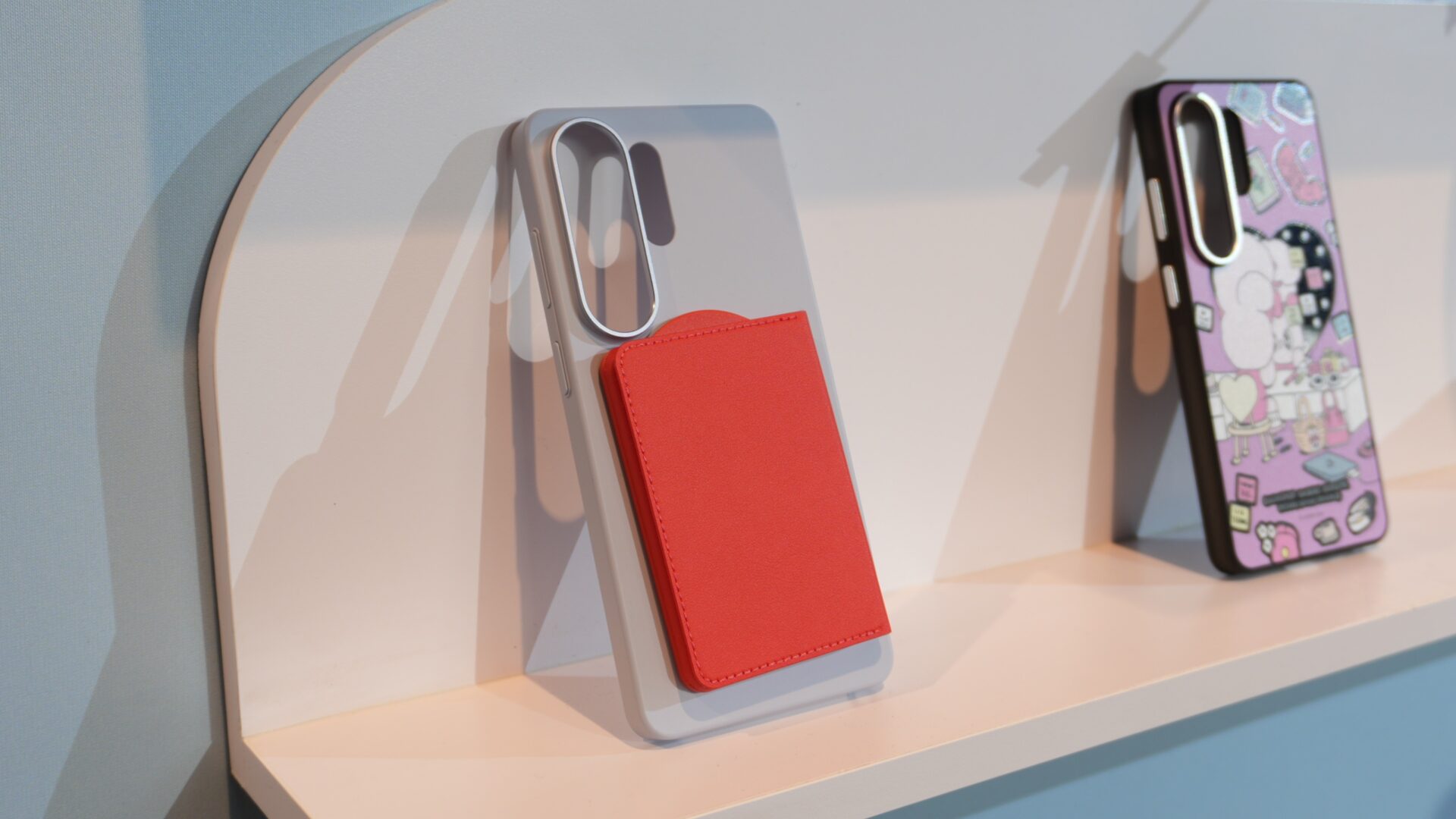
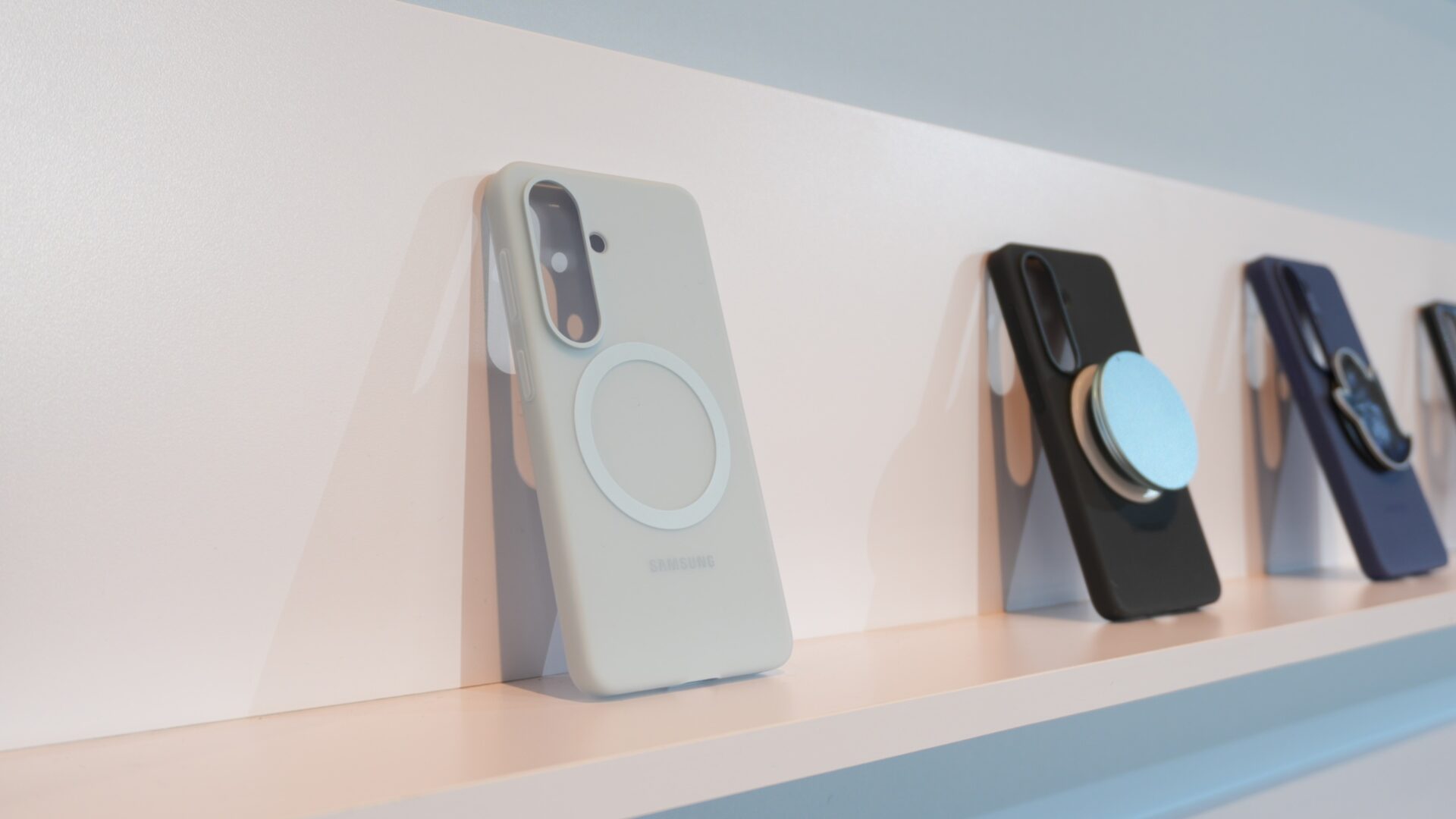
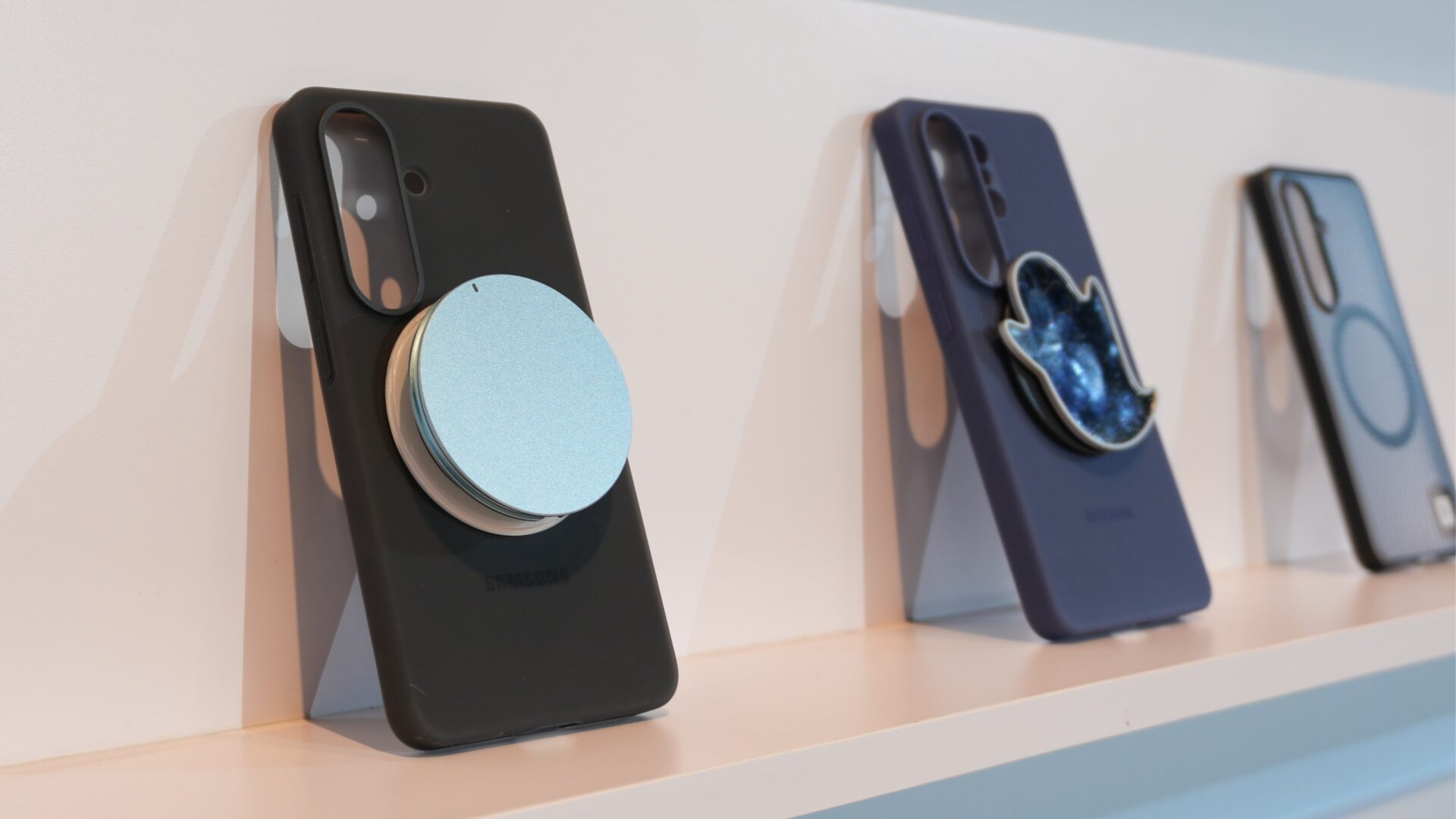
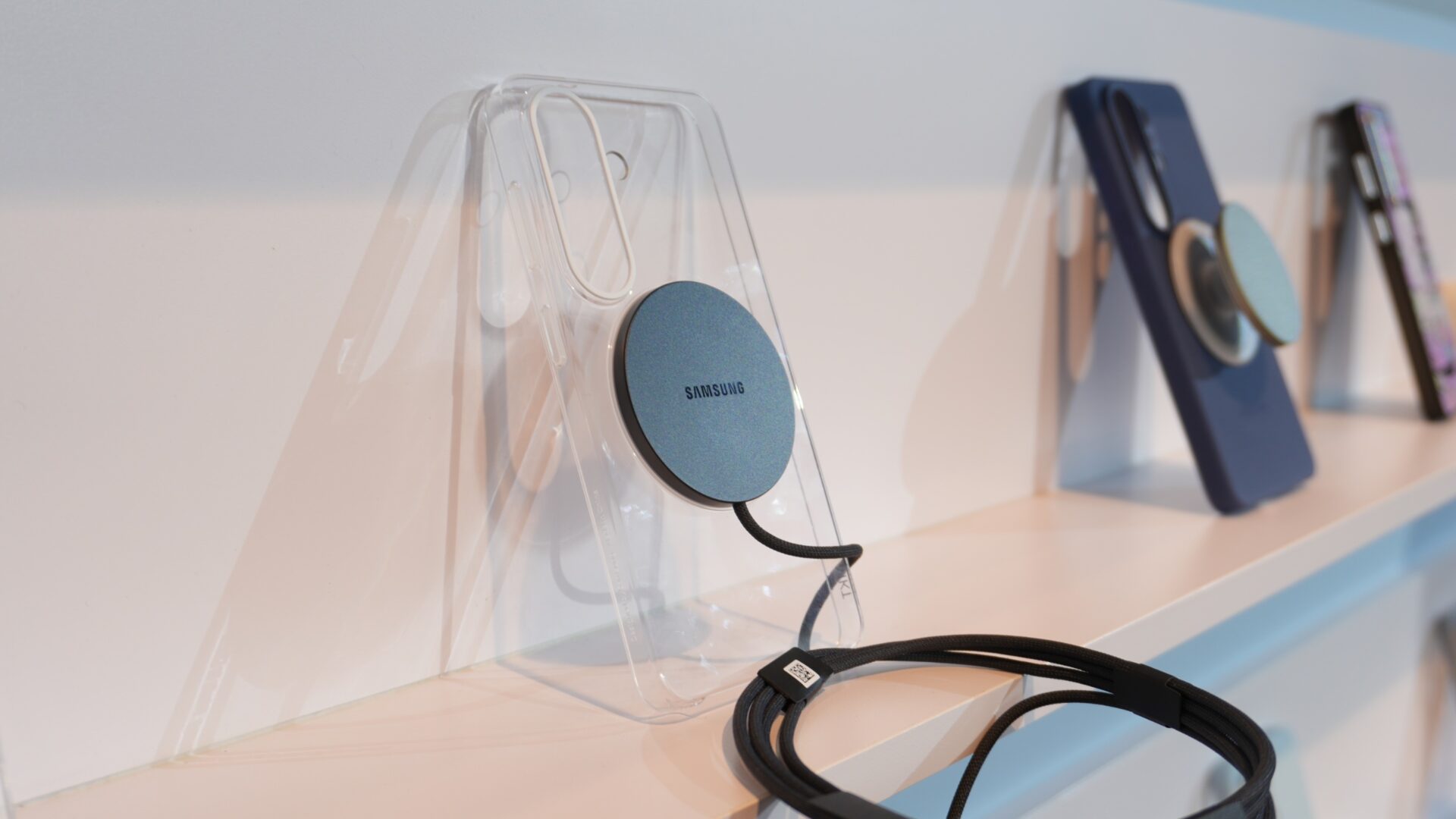
Won-Joon Choi, the Chief Operating Officer of Samsung MX, echoed these sentiments in a recent interview. He explained that the internal space saved by omitting magnets was repurposed for other critical engineering goals. By removing the magnetic hardware, Samsung was able to focus on making the devices significantly thinner and lighter, while still attempting to maximize battery efficiency within a more compact frame.
Design Refinements vs. User Demands
While some fans are disappointed by the lack of native Qi2 magnets, Samsung has undeniably achieved a feat of engineering in terms of aesthetics. The Galaxy S26 Ultra stands as the company’s thinnest "Ultra" model to date, measuring a mere 7.9mm in thickness. Furthermore, it is 4 grams lighter than its predecessor, the Galaxy S25 Ultra, weighing in at 214 grams. This focus on "thin and light" has become a hallmark of Samsung's design philosophy for 2026.
However, this approach has sparked a debate within the tech community. Many power users argue that modern smartphones are already sufficiently thin and light. Instead of further reductions in millimeters, these users suggest that the internal space should have been utilized for even larger batteries, built-in Qi2 magnets for universal accessory compatibility, or even larger camera sensors. For those who prefer using their phones without a case, the lack of built-in magnets remains a significant hurdle for Wireless Charging convenience.
Does the Galaxy S26 series support Qi2 wireless charging?
Yes, the Galaxy S26 series is Qi2 Ready and supports faster wireless charging speeds. However, it does not have built-in magnets. To use magnetic Qi2 accessories, you must use an official Samsung magnetic case or a compatible third-party magnetic case.
Why did Samsung decide not to include internal magnets?
Samsung's research showed that over 80% of users use a case. By moving the magnets to the case, they were able to save internal space to make the phone thinner (7.9mm for the Ultra) and reduce the overall weight of the device.
Which Galaxy S26 models are the thinnest?
The Galaxy S26 Ultra is the thinnest Ultra model Samsung has ever produced, with a thickness of only 7.9mm. It is also lighter than previous generations, weighing 214 grams.
Can I use MagSafe accessories with the Galaxy S26?
Native MagSafe or Qi2 magnetic accessories will not stick to the back of the phone directly. You will need a case with an integrated magnetic ring to provide the necessary alignment and grip for those accessories.
Did the battery size increase because of the saved space?
While Samsung mentioned that saving space allows for larger batteries, the Galaxy S26+ and S26 Ultra did not see a significant increase in battery capacity this year. The saved space was primarily used to facilitate the new, thinner industrial design.
🔎 Ultimately, Samsung's decision to prioritize thinness over built-in magnetic charging is a calculated risk. By leaning on the fact that most users prefer protective cases anyway, they have delivered a sleek, ultra-thin flagship that pushes the boundaries of hardware design. Whether this trade-off will satisfy the users who were looking for a truly "magnet-native" experience remains to be seen, but for now, the magnetic future of the Galaxy S26 series lives within its accessories rather than its core.
Post a Comment