
Samsung Galaxy S27 Ultra: Polar ID Technology to Revolutionize 3D Face Unlock Security
The evolution of smartphone security has seen various trends come and go, but Samsung is reportedly preparing a massive comeback for advanced biometrics. Nearly a decade ago, the tech giant introduced iris scanning with the Galaxy S8 series, offering a unique and secure way to access devices. However, this feature was eventually phased out with the Galaxy S10 series as the industry shifted toward bezel-less displays and punch-hole cameras. Now, exciting new leaks suggest that the upcoming Galaxy S27 Ultra might finally reintroduce a secondary, highly secure unlocking method that could rival or even surpass current industry standards.
- ✨ Advanced Polar ID: Samsung is reportedly integrating Metalenz technology for superior 3D face mapping.
- ✨ Enhanced Security: The system can detect human tissue liveness and sophisticated 3D masks.
- ✨ Compact Design: Unlike Apple's Face ID, this tech fits within a standard punch-hole cutout.
- ✨ Low-Light Performance: It utilizes the ISOCELL Vizion 931 sensor for perfect operation in any lighting.
The Rise of Polar ID: A New Era of Biometric Authentication
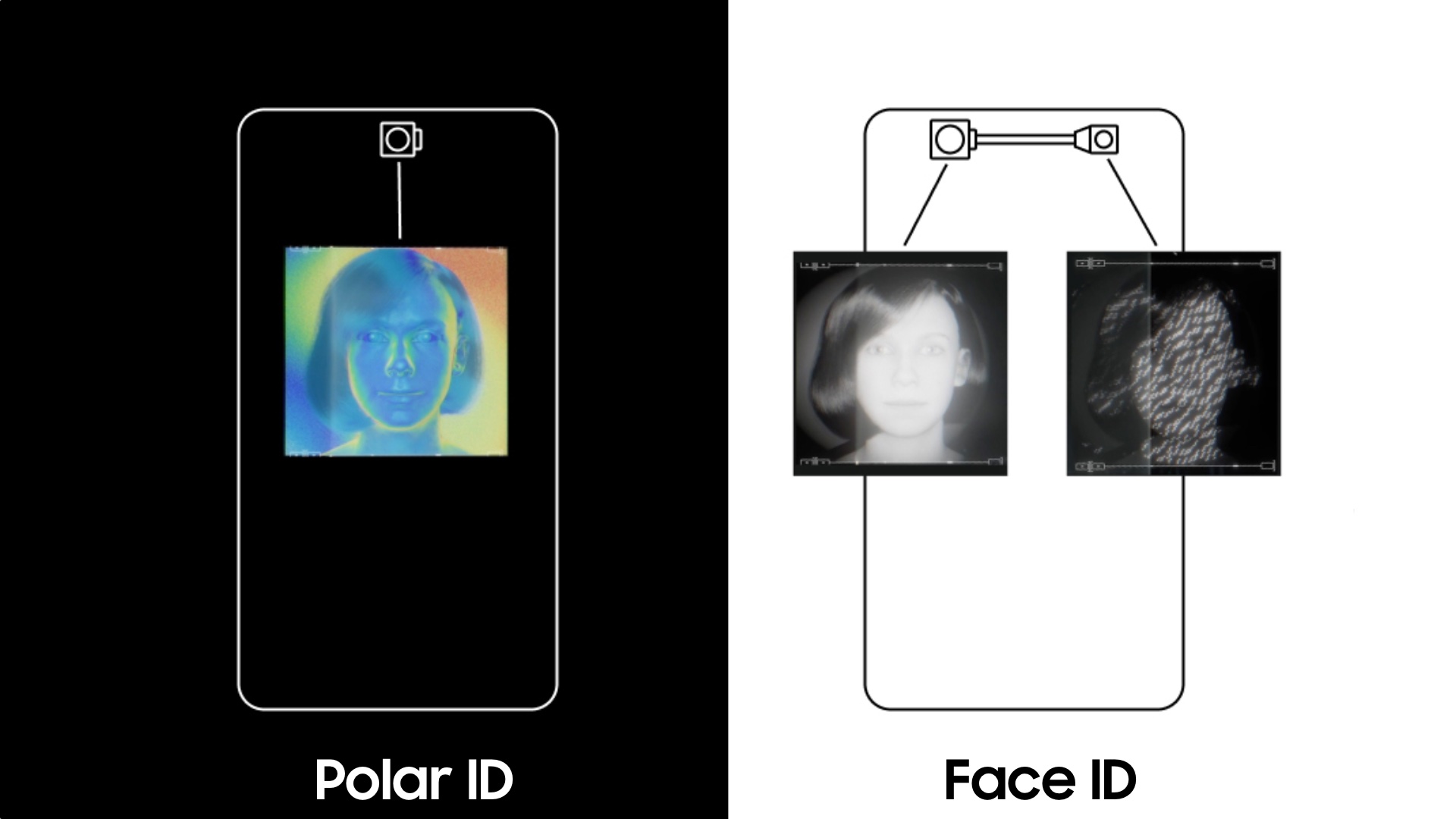
According to the reputable tipster , Samsung is currently developing a feature known as "Polar ID" for the Galaxy S27 Ultra. This technology is being created in collaboration with Metalenz, a pioneer in meta-optic solutions. Unlike traditional sensors, Polar ID can extract significantly more data from a single image, including intricate facial contours and human tissue liveness. These details are essential for creating a biometric system that is virtually impossible to spoof.
Comparison: Face ID (Top) vs. Polar ID (Bottom)
Superior Technology Powered by Samsung ISOCELL
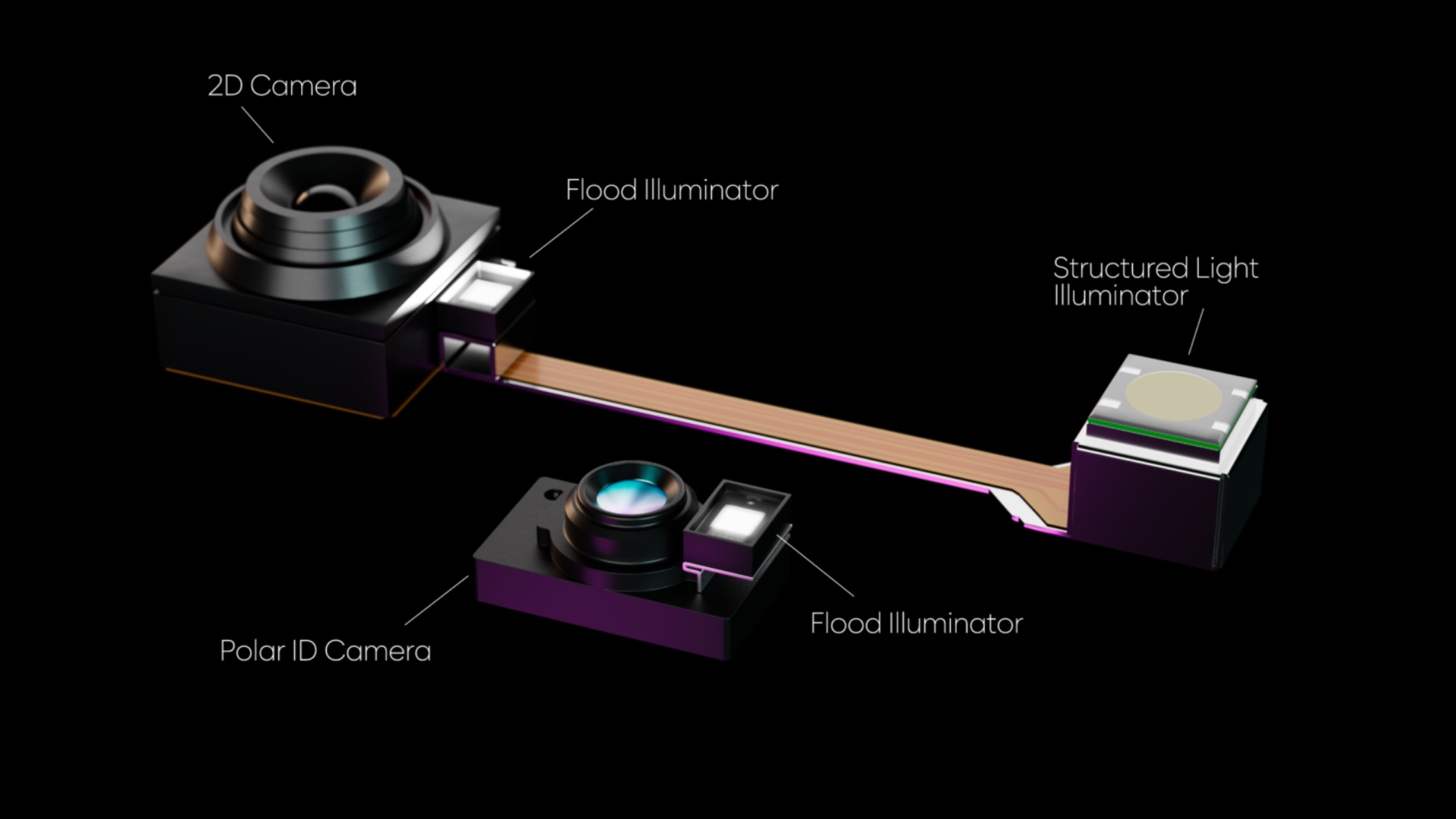
The heart of the Polar ID system is a flood illuminator paired with Samsung’s own ISOCELL Vizion 931 sensor. This light engine is designed to be incredibly precise, capable of identifying even the most sophisticated 3D masks and digital spoofing attempts. One of its standout features is its ability to function flawlessly in all lighting conditions. Unlike current software-based face unlock methods that require a screen flash in the dark, Polar ID works silently and effectively without extra light, potentially outperforming Apple’s Face ID in specific security scenarios.
No More Notches: Efficiency Meets Design
Perhaps the most impressive aspect of Polar ID is its compact footprint. While Apple’s Face ID requires a significant array of sensors—often leading to wider notches or "Dynamic Islands"—Polar ID is remarkably small. It requires substantially less space and can even function from under the display. This means Samsung can maintain its sleek, standard punch-hole design while offering 3D-level security. Users would no longer have to choose between a beautiful screen and high-end facial recognition.
If these reports regarding the Galaxy S27 Ultra are accurate, it would represent a major quality-of-life upgrade. Users would have the flexibility to choose between an ultrasonic fingerprint reader and a secure 3D face unlock depending on their needs. This is particularly useful in situations where a user's hands might be wet, dirty, or covered by gloves, providing a seamless experience without compromising the safety of their data.
As with all early leaks, it is wise to take this information with a grain of salt. While the partnership with Metalenz is a known development, the final implementation in the Samsung S27 series won't be confirmed until the official announcement, expected in early 2027. Until then, the prospect of a more secure, compact, and versatile unlocking system remains one of the most anticipated rumors for the future of the Galaxy lineup.
What is Polar ID technology and how does it work?
Polar ID is a biometric technology developed by Metalenz that uses meta-optics to capture advanced facial data. It uses a flood illuminator and an ISOCELL sensor to detect facial contours and human tissue liveness, making it much more secure than standard 2D face unlock.
Will the Galaxy S27 Ultra have a large notch like the iPhone?
No. One of the main advantages of Polar ID is its compact size. It is small enough to fit within a standard punch-hole camera cutout or even under the display, allowing Samsung to keep its signature design while adding 3D security.
Is Polar ID more secure than the current fingerprint scanner?
Both are highly secure. Polar ID offers a "3D" level of security similar to Apple's Face ID, which is considered secure enough for banking and payments. It provides a great alternative when the fingerprint scanner is difficult to use, such as when your hands are wet.
Does Polar ID work in the dark?
Yes, the system uses the ISOCELL Vizion 931 sensor and an infrared flood illuminator, allowing it to recognize faces in total darkness without needing to increase the screen brightness.
When can we expect the Galaxy S27 Ultra to be released?
Based on Samsung's typical release cycle, the Galaxy S27 series is expected to be officially announced and launched in early 2027.
🔎 In conclusion, the potential introduction of Polar ID in the Galaxy S27 Ultra marks a significant step forward in Samsung's pursuit of the perfect balance between design and security. By leveraging meta-optic technology, Samsung aims to provide a 3D face unlock system that is not only highly secure but also visually unobtrusive. While we must wait for official confirmation, the promise of a device that adapts to the user’s environment—whether using a fingerprint or a facial scan—is a glimpse into a more convenient and protected mobile future.
Post a Comment