
Samsung Galaxy Z Flip 7 at the 2026 Winter Olympics: High Stakes or High Risks?
The 2026 Winter Olympics are rapidly approaching, and the excitement is palpable. As a long-standing official partner of the Olympic Games, Samsung has shifted its marketing machine into high gear, saturating airwaves and digital platforms with promotions for the event and its latest foldable flagship, the Galaxy Z Flip 7. However, for those familiar with the intricate physics of foldable technology, Samsung's choice of setting for its newest device raises a few eyebrows. While the imagery of sleek phones on snowy slopes is captivating, the historical relationship between foldable screens and freezing temperatures remains a topic of significant concern.
- ✨ Samsung is heavily promoting the Galaxy Z Flip 7 as the face of the 2026 Winter Olympics.
- ✨ Historical data shows that foldable displays face durability challenges in sub-zero temperatures.
- ✨ The fold-rating of the device drops significantly from 500,000 to 60,000 folds at -20 degrees Celsius.
- ✨ Users are advised to utilize the generous 4.1-inch cover screen to preserve the main display's longevity in the cold.
Marketing vs. Reality: The Foldable Cold Front
Watching sports channels recently, it is nearly impossible to miss Samsung’s “Open Always Wins” campaign. The advertisements are visually stunning, often featuring athletes and spectators using the Galaxy Z Flip 7 on the ski slopes of Northern Italy. While the marketing is effective, it glosses over a technical reality: sub-zero temperatures are traditionally the enemy of flexible components. As a Samsung Electronics enthusiast, I find myself questioning if the brand is perhaps over-promising on the device's resilience in extreme winter conditions.
Generally, Samsung Electronics advises that the optimal operating temperature for most smartphones is between 0 and 35 degrees Celsius. When temperatures drop below freezing, the materials used in foldable displays can become rigid and brittle. This lack of flexibility increases the risk of the screen cracking or the internal layers delaminating when the device is unfolded.
Learning from the Past: Durability Milestones
The concern isn't without merit. Back in 2021, users in South Korea reported dramatic display failures when temperatures in Seoul hit -18 degrees Celsius. Older generations of foldable tech simply weren't equipped to handle that level of contraction and expansion. Thankfully, Samsung Electronics has made massive strides since then. The ultra-thin glass and protective layers have been re-engineered to survive much harsher environments.
However, physics cannot be entirely ignored. Even with the Galaxy Z Flip 7, the durability rating changes based on the environment. At optimal temperatures, the display is rated for 500,000 folds. When the mercury drops to -20 degrees Celsius, that rating falls to roughly 60,000 folds. While 60,000 is still a high number—likely more than enough for the duration of a vacation or the Olympic games—it highlights a clear compromise in long-term structural integrity when used in the cold.
Strategies for Winter Usage
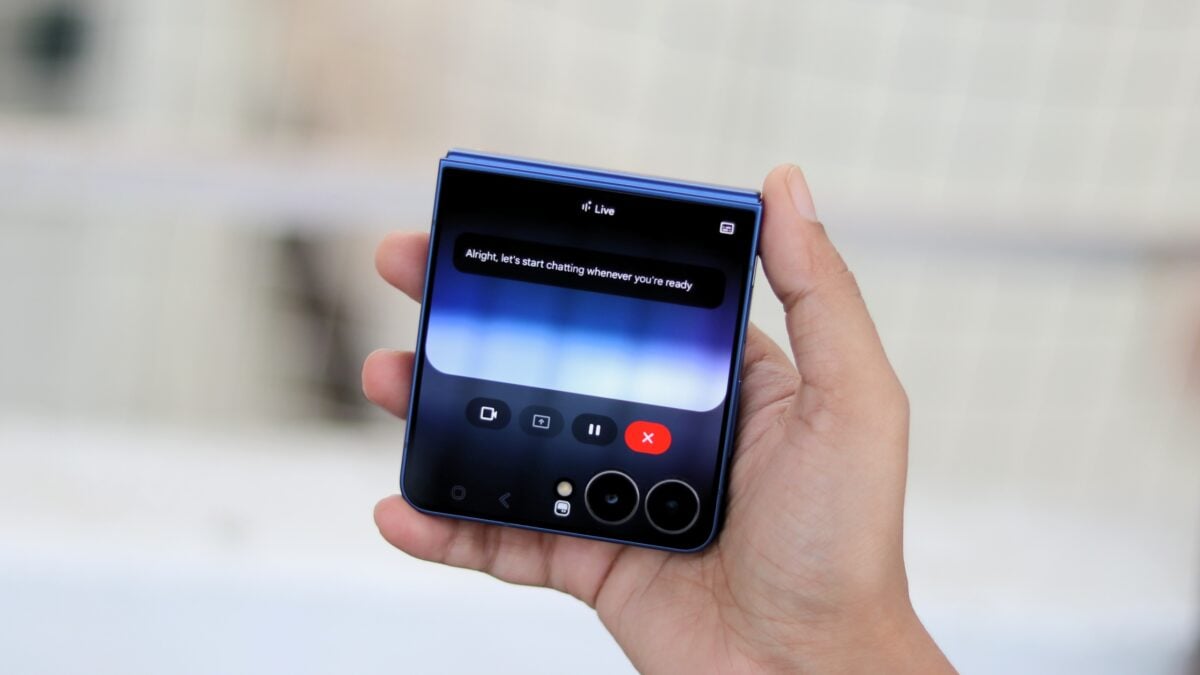
If you are planning to take your Galaxy Z Flip 7 to the 2026 Winter Olympics, there are ways to mitigate these risks. One of the best features of the latest model is the 4.1-inch cover screen. Driven by advanced Galaxy AI, this external display allows you to reply to messages, check maps, and control music without ever needing to unfold the main screen. In freezing weather, keeping the phone folded while outdoors is a smart way to protect the internal display from unnecessary stress.
Is the Galaxy Z Flip 7 safe to use in sub-zero temperatures?
While Samsung officially recommends an operating range of 0 to 35 degrees Celsius, the Galaxy Z Flip 7 is designed to function in colder weather. However, users should be aware that extreme cold makes the screen more rigid, which can impact its long-term durability if folded and unfolded frequently in those conditions.
How much does cold weather reduce the screen's fold rating?
Under optimal conditions, the Galaxy Z Flip 7 is rated for up to 500,000 folds. In extreme cold, such as -20 degrees Celsius, this rating is reduced to approximately 60,000 folds due to the increased mechanical stress on the materials.
Can the cover screen help protect the phone in winter?
Yes, the 4.1-inch cover screen is a vital tool for winter use. By utilizing the cover screen for notifications and quick tasks, you can avoid unfolding the main display in the biting cold, thereby preserving the flexibility and life of the internal screen.
Has Samsung improved cold-weather durability compared to older models?
Absolutely. Newer generations, including the Flip 7, use much more advanced display technology and hinge designs than the models from 2021, making them significantly more resilient to the "cracking" issues seen in early foldable devices.
🔎 Ultimately, whether Samsung is overselling the device or simply showcasing its confidence in modern engineering remains to be seen. The 2026 Winter Olympics will serve as the ultimate real-world stress test for the Galaxy Z Flip 7. If the device emerges from the Italian winter without widespread reports of screen failure, it will be a monumental victory for foldable technology. For now, users should enjoy the cutting-edge features but remain mindful of the physical limits of their hardware when the temperature drops.
Post a Comment