
Samsung Halts Development on Galaxy S25 Edge and Z TriFold Successors: A Strategic Shift?
Last year, Samsung pushed the boundaries of mobile engineering by introducing two groundbreaking form factors: the ultra-slim Galaxy S25 Edge and the ambitious Galaxy Z TriFold. The S25 Edge made headlines as the brand's thinnest device ever, measuring just 5.8mm, while the TriFold showcased a future where a smartphone could seamlessly expand into a full-sized tablet. However, despite their technical brilliance, recent reports suggest that the Korean tech giant is hitting the pause button on their successors.
- ✨ Samsung is currently not developing direct successors for the Galaxy S25 Edge or the Galaxy Z TriFold.
- ✨ Sales for the ultra-thin S25 Edge were significantly lower compared to the standard Galaxy S series models.
- ✨ The high cost of custom components and manufacturing complexity remains a barrier for tri-folding devices.
- ✨ Consumer hesitation toward premium devices with hardware compromises (like battery life) is a key factor in the decision.
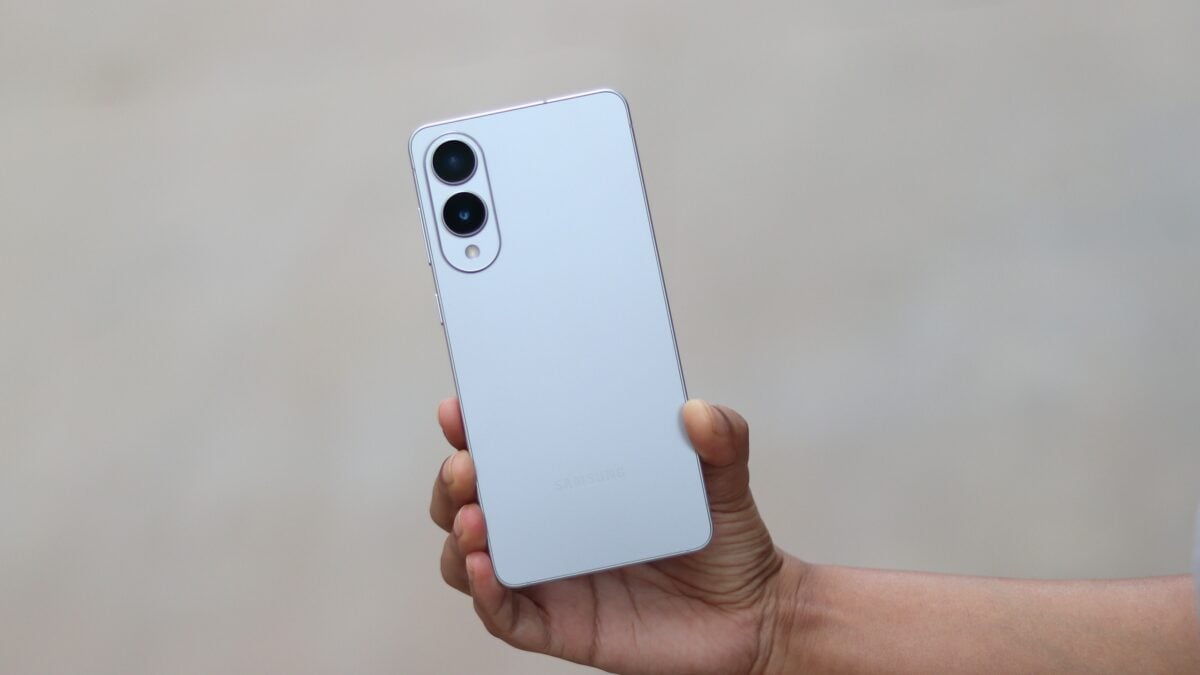
Market Realities and the Ultra-Thin Dilemma
While the Samsung Galaxy S25 Edge was a marvel of miniaturization, it appears that "thin" doesn't always translate to "sold." In a candid interview with Bloomberg, Samsung MX Chief Operating Officer Won-Joon Choi confirmed that the sales figures for the S25 Edge didn't quite meet the heights of its siblings. The company is now in a period of evaluation, questioning whether the "Edge" lineup has a long-term place in the flagship portfolio.
Industry analysts point out that Samsung isn't alone in this struggle. Similar reports regarding Apple’s experimental thin models suggest that consumers are becoming increasingly wary of paying premium prices for devices that might sacrifice essential features like battery longevity or camera sensor size in exchange for a slimmer profile. As Choi noted, the company hasn't definitively killed the project, but it is certainly not on the immediate roadmap.
The Future of Foldables: Is the TriFold Too Early?
The Galaxy Z TriFold represents a different kind of challenge. Originally greenlit to demonstrate Samsung’s absolute lead in display technology, the project required immense R&D effort and the creation of entirely new, custom-made internal components. While it successfully created a new product category, the astronomical price tag has kept it as a niche luxury rather than a mainstream contender
Samsung executives are currently debating the viability of a second-generation tri-folding phone. For now, there is no active work being done on a successor. The focus seems to be shifting back to perfecting the existing Fold and Flip lines, ensuring they remain accessible and durable for the average consumer while keeping the experimental tech in the lab for further refinement.
Why did Samsung stop working on the Galaxy S25 Edge successor?
The primary reason is lower-than-expected sales. Consumers often prefer devices that prioritize battery life and camera performance over extreme thinness, making the S25 Edge a difficult sell at a premium price point.
Is the Galaxy Z TriFold being discontinued?
While the original model remains a technical showcase, Samsung is not currently developing a successor. The company is evaluating whether the market demand justifies the high production costs of a second-generation tri-folding device.
How thin was the Galaxy S25 Edge?
The Galaxy S25 Edge was designed to be Samsung's thinnest smartphone ever, with a thickness of only 5.8mm, aiming to compete with other "Air" style devices in the market.
What is the main challenge with tri-folding phones?
The main hurdles are the complexity of the hinges, the need for custom internal components, and the resulting high retail price, which limits the device's appeal to a very small group of buyers.
Will Samsung release any other experimental phones this year?
Samsung continues to explore new categories, but their current focus appears to be on the core Galaxy S26 series and refining the durability of the Z Fold and Z Flip series to drive higher sales volume.
🔎 The decision to halt these projects highlights a more cautious and data-driven approach by Samsung MX. In an era where hardware innovation is reaching a plateau, the company is choosing to listen to market feedback rather than pursuing innovation for innovation's sake. While we may not see an S26 Edge or a TriFold 2 this year, the lessons learned from these ambitious projects will undoubtedly influence the design and efficiency of future Samsung Galaxy flagships.
Post a Comment