
Samsung HDR10+ Technology Makes Historic European Broadcast Debut in France
The landscape of television broadcasting in Europe is undergoing a revolutionary shift, and *Samsung is leading the charge. In a landmark achievement for visual technology, Samsung has officially introduced HDR10+ broadcast content to the European market. Through a strategic partnership with France Télévisions, the region has witnessed its first-ever live broadcast utilizing this advanced dynamic metadata standard, setting a new benchmark for home entertainment quality across the continent.
- ✨ France Télévisions launches the first-ever HDR10+ broadcast in Europe on France 2 UHD.

- ✨ The technology replaces static HDR10 with dynamic scene-by-scene optimization.
- ✨ Optimized for major events like the FIFA World Cup 2026 to handle rapid lighting changes.
- ✨ Most Samsung Smart TVs from 2018 onwards are already compatible with the new format.

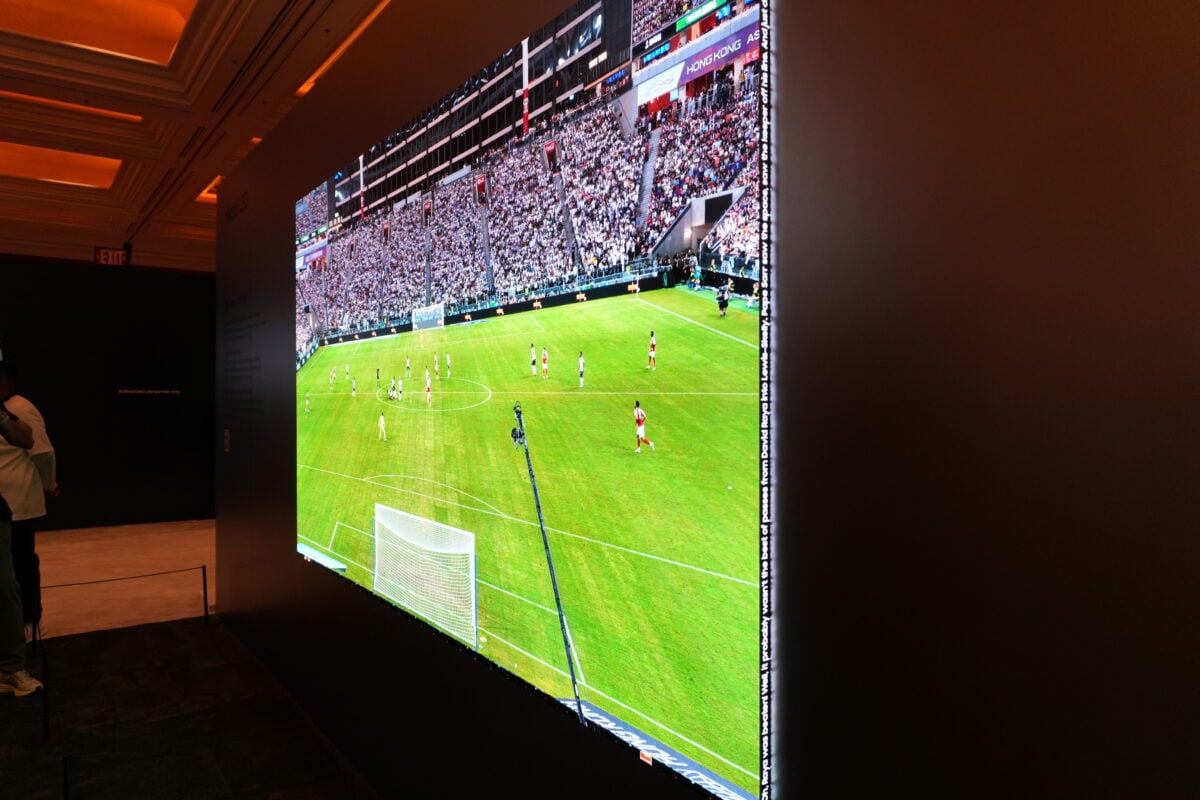
The Transition from Static to Dynamic: Why HDR10+ Matters
The inaugural HDR10+ broadcast officially went live on January 26 via the France 2 UHD channel. This move represents a significant technical leap, as the broadcaster transitioned away from the traditional static HDR10 standard. While standard HDR10 applies a single set of brightness and contrast values to an entire program, **HDR10+** is far more sophisticated. It dynamically adjusts these parameters for every individual scene, ensuring that the viewer sees the most accurate representation of the creator's intent.
France Télévisions has ambitious plans for this technology, particularly for upcoming major sporting events. In high-stakes sports broadcasting, lighting conditions can change in an instant—shifting from bright sunlight to deep shadows as players move across the field. Static HDR formats often struggle with these rapid transitions, but HDR10+ is designed to preserve intricate details in both the brightest highlights and the darkest areas of the screen. With the FIFA World Cup 2026 on the horizon, the timing of this launch is impeccable.
Global Adoption and Hardware Compatibility
Developed by Samsung HDR10+ has already found success in other markets. Several broadcasters in the United States have adopted the format, and it has become a staple for major streaming platforms like Disney+. However, its integration into the European broadcast infrastructure had remained an untapped frontier until this recent French debut.
According to a recent statement from Samsung, "HDR10+ was designed to deliver the best possible picture quality, regardless of the content." This commitment to quality is backed by extensive hardware support. The majority of Samsung TVs released from 2018 onwards are already equipped to handle HDR10+ metadata. This means millions of households in France can enjoy this upgraded experience immediately without the need for additional equipment.
Looking toward the future, Samsung is preparing to launch its 2026 range of televisions throughout Europe later this year, following their announcement at CES 2026 in Las Vegas. As the company looks to expand HDR10+ adoption across more European nations, the success of the French broadcast will likely serve as a blueprint for other broadcasters aiming to provide the ultimate viewing experience for their audiences.
What is the main difference between HDR10 and HDR10+?
HDR10 uses static metadata, meaning it sets one brightness level for the entire video. HDR10+ uses dynamic metadata, allowing the TV to adjust brightness and contrast on a scene-by-scene or even frame-by-frame basis for better detail.
Which Samsung TV models support this new broadcast format?
Most Samsung Smart TVs manufactured from 2018 onwards are compatible with HDR10+. This wide range of support ensures that many current owners can enjoy the new broadcasts without needing an upgrade.
Why is HDR10+ particularly good for sports like soccer?
Sports often feature fast movement and varying light conditions (such as shadows on half the pitch). HDR10+ manages these changes dynamically, ensuring the picture remains clear and vibrant even when the lighting shifts rapidly.
Will other European countries get HDR10+ broadcasts soon?
While France is the first, Samsung aims to expand the format's adoption across Europe. Future rollouts will depend on partnerships with local broadcasters in other countries.
Does HDR10+ require a special internet connection?
For traditional broadcasts, it works over the existing UHD signal infrastructure. For streaming services like Disney+, a stable high-speed internet connection is recommended to handle the 4K metadata.
🔎 This milestone in European broadcasting marks the beginning of a new era where the gap between cinema-quality visuals and home television continues to shrink. As Samsung continues to innovate with dynamic metadata and high-performance hardware, viewers can look forward to a future where every match, movie, and show is presented with unparalleled clarity and realism. Whether you are a sports enthusiast preparing for the World Cup or a cinephile seeking the best home theater experience, the arrival of HDR10+ in European airwaves is a game-changer worth celebrating.
Post a Comment