
Samsung Maintains Dominance in Europe as Apple Narrows the Competitive Gap
Samsung continues to hold its position as the **Samsung** leading smartphone vendor globally, a title it has successfully defended across various regions for consecutive years. This dominance is particularly evident in the European market, which remains a critical battleground for mobile technology. Recent data indicates that while Samsung has successfully retained its top spot, the competitive landscape is shifting as rivals move closer to the throne.
- ✨ Samsung shipped 46.6 million units in Europe last year, maintaining its market lead.
- ✨ Apple recorded a 6% growth in shipments, reaching 36.9 million units.
- ✨ The Galaxy A56 emerged as the top-selling smartphone across the European continent.
- ✨ Samsung's market share stands at 35%, with Apple following at 27%.
- ✨ Strategic discounts on models like the Galaxy A16 fueled Samsung's second-half recovery.
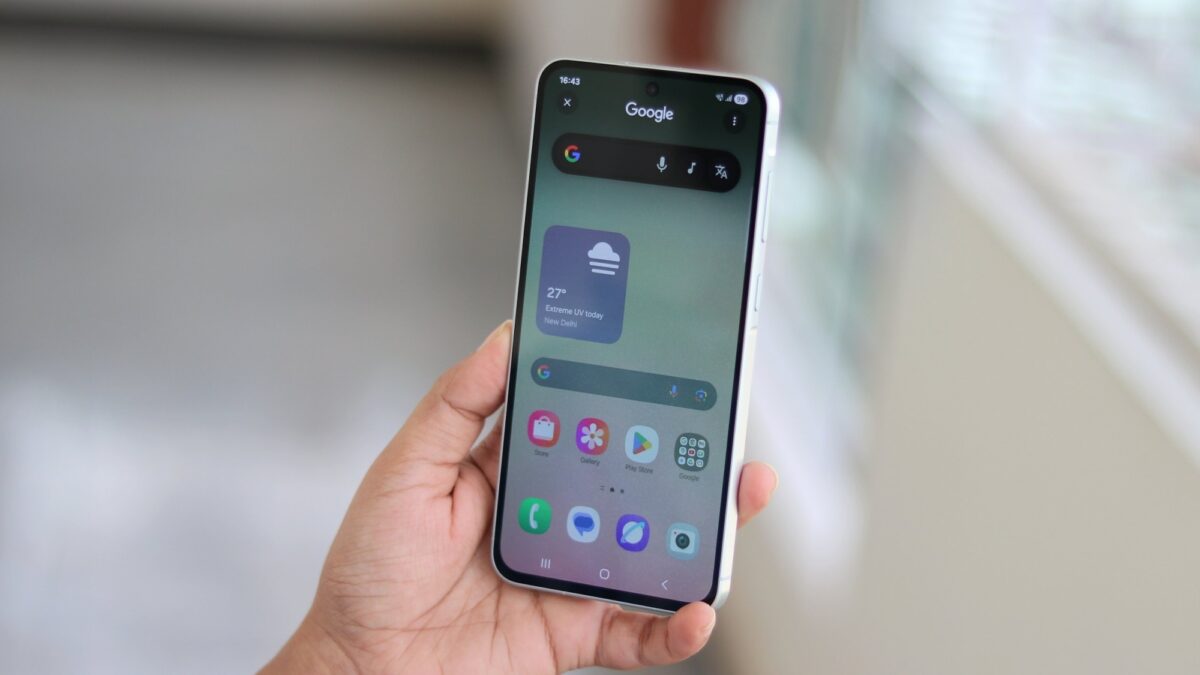
Latest findings from industry research firms reveal that Samsung managed to secure its premier status in the European **Smartphone** market throughout the previous year. Despite facing intense pressure, the South Korean giant stayed ahead, even as **Apple** demonstrated significant growth momentum, effectively closing the shipment gap between the two tech titans.
Apple Narrows the Lead in the European Market
According to the most recent data from Omdia, Samsung's total shipments in European markets (excluding Russia) reached 46.6 million units last year. This figure represents a slight increase compared to the 46.4 million units recorded in 2024. While the growth was marginal, it was sufficient to keep the company at the forefront of the industry.
In contrast, Apple saw a more robust upward trend. Its shipments in the region climbed to 36.9 million units, marking a 6% increase from the 34.9 million units shipped in the previous cycle. Consequently, Samsung now commands approximately 35% of the market share, while Apple has solidified its position with 27%.
Strategic Recoveries and Model Success
Samsung's journey through the year was not without its challenges. The company experienced a relatively quiet first half, largely due to a temporary shortage of fresh entry-level models. However, this was corrected in the latter half of the year. The introduction of the Galaxy A16 at competitive price points and the overwhelming popularity of the Galaxy A56 helped Samsung regain its footing. Remarkably, the Galaxy A56 maintained its status as the overall best-selling phone in Europe.
Apple's success was driven by a surge in demand from both individual consumers and corporate sectors. The iPhone 16 and iPhone 17 Pro Max were particularly influential in driving sales. Furthermore, the iPhone 16e resonated well with the European audience, ranking among the company's most sought-after models in the region.
Who currently leads the smartphone market in Europe?
Samsung remains the leader in the European smartphone market, having shipped 46.6 million units last year, which accounts for a 35% market share.
How much did Apple's shipments grow in the region?
Apple experienced a 6% growth in shipments in Europe, increasing from 34.9 million units in 2024 to 36.9 million units last year.
Which Samsung phone was the most popular in Europe?
The Galaxy A56 was the standout performer for Samsung, remaining the top-selling smartphone overall across Europe during the year.
What factors helped Samsung recover after a slow start to the year?
Samsung's recovery in the second half of the year was fueled by the launch of discounted models like the Galaxy A16 and the strong sales momentum of the Galaxy A56.
Which Apple models saw the highest demand in Europe?
The iPhone 16, iPhone 17 Pro Max, and the iPhone 16e were the primary drivers of Apple's growth, seeing high demand from both personal and business users.
🔎 In conclusion, the European smartphone landscape remains a high-stakes arena where Samsung continues to hold the crown through a mix of mid-range dominance and strategic pricing. However, with Apple’s consistent 6% growth and the increasing popularity of its latest flagship models, the gap is narrowing. As we move forward, Samsung’s ability to innovate within its A-series and maintain its supply chain efficiency will be vital in fending off Apple’s persistent climb toward the top spot.
Post a Comment