
Samsung One UI 9: New Foreign Material Detection Feature to Safeguard Galaxy Z Fold 8 and Wide Fold Displays
One of the most significant challenges facing the longevity of foldable smartphones is the risk of screen damage. Due to their intricate hinged design, these devices are naturally susceptible to small particles and debris. A tiny pebble or even a grain of sand caught between the folding halves during closure can lead to catastrophic display failure, resulting in costly repairs for the user.
- ✨ Samsung is developing a "Foreign Material Detection" feature within the leaked One UI 9 build.
- ✨ The feature provides a software-based warning to prevent screen damage before it happens.
- ✨ Support is expected for the upcoming Galaxy Z Fold 8, Z Flip 8, and the rumored Wide Fold.
- ✨ Older foldable models may receive this update retroactively as it likely uses existing hinge sensors.
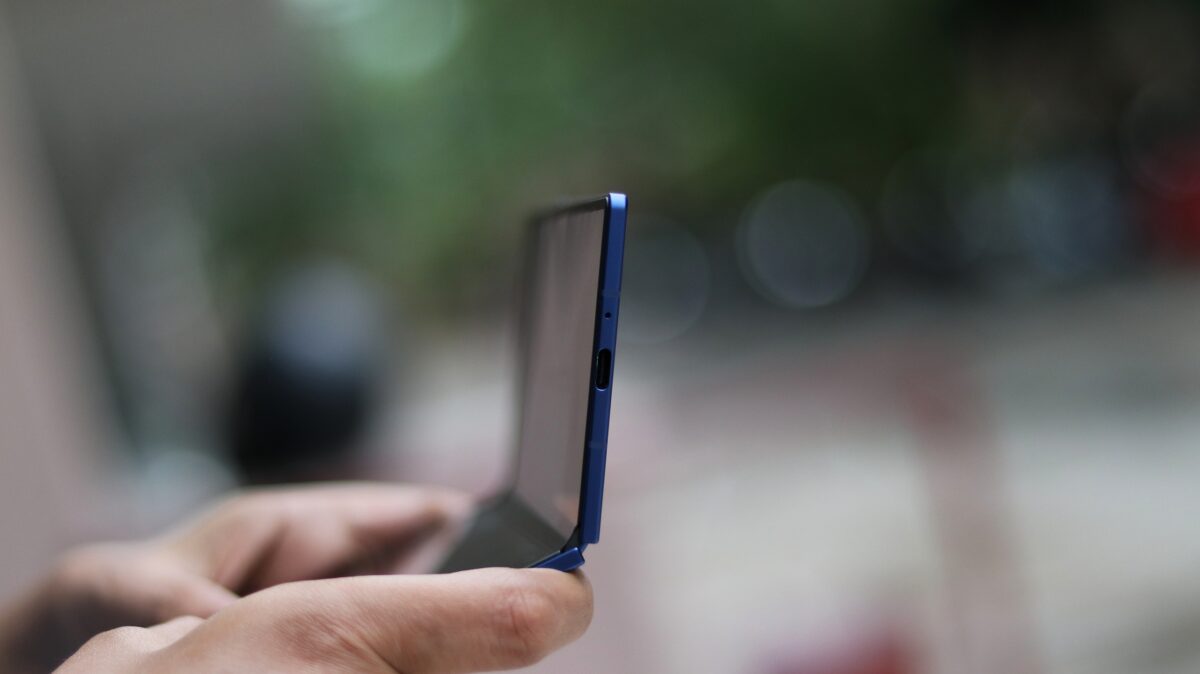
Samsung appears to be taking proactive steps to address this hardware vulnerability through software innovation. Recent evidence discovered in a leaked One UI 9 build suggests that the South Korean tech giant is exploring a sophisticated "Foreign Material Detection" (FMD) system. This solution aims to protect not only the upcoming Galaxy Z Flip 8 and Galaxy Z Fold 8 but also the highly anticipated and rumored Galaxy Wide Fold.
How One UI 9 Protects Your Foldable Investment
Specific code strings found in the early software builds indicate that the system is designed to alert users if the device detects an obstruction during the folding process. This feature essentially acts as a digital safety net, warning the user before they apply enough pressure to crush a foreign object into the flexible OLED panel.
The discovery, originally highlighted by Android Authority, showcases that the warning system is integrated deeply into the operating system. You can view the full technical breakdown by clicking the button below:
Interestingly, the code strings were found alongside rough renders of three future devices, confirming that Samsung is planning this feature for its next generation of premium foldables. These renders specifically mention the "Q8" (Galaxy Z Fold 8) and "H8" (Galaxy Wide Fold).
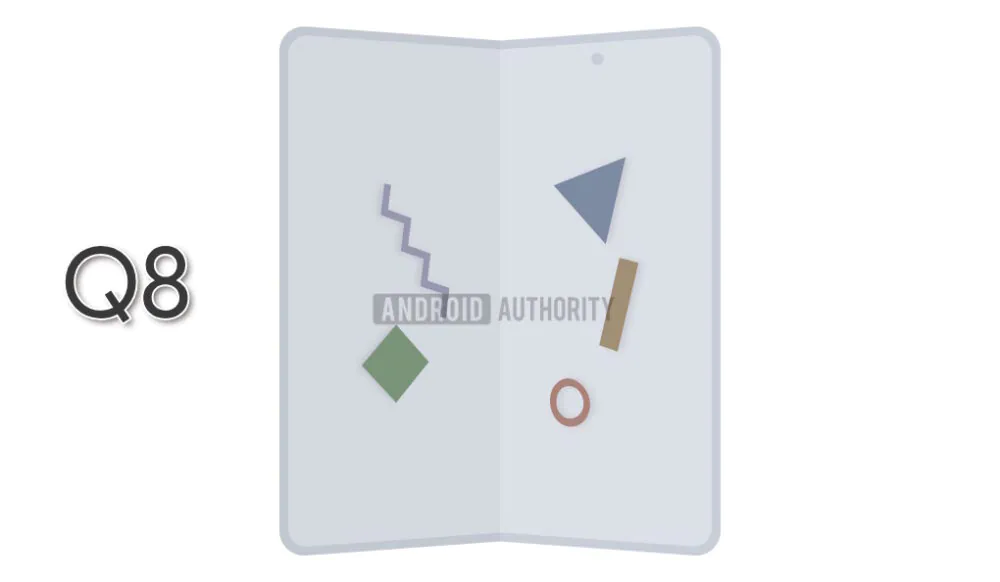
Q8 = Galaxy Z Fold 8
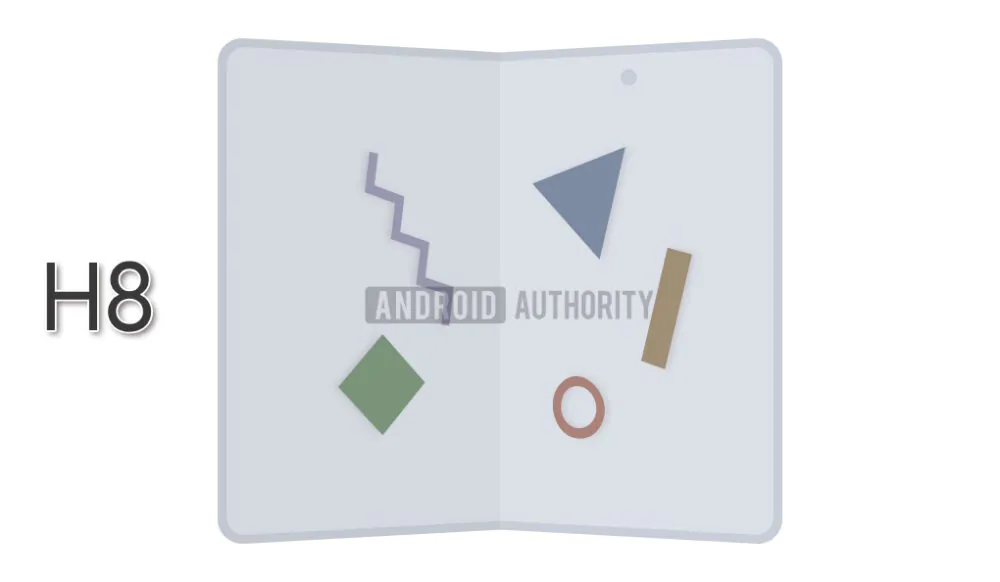
H8 = Galaxy Wide Fold
A Software-Driven Solution for a Hardware Problem
Based on the findings, the alert triggers if the internal sensors detect that the phone has failed to fold completely. The system provides a clear warning message to the user:
"Your phone didn't fold completely. Open your phone again, and check if there are any foreign substances on the screen to avoid screen damage. If you don't need this detection alert, you can turn it off in the Settings."
There is currently no indication that Samsung is adding new physical sensors specifically for this task. Instead, the system likely utilizes the existing highly precise Hall sensors and angle encoders within the hinge. By comparing the expected closure state with the actual physical state, One UI 9 can intelligently guess when something is blocking the path.
While the system might not be able to distinguish between a dangerous pebble and a user's finger, it provides a crucial layer of protection. Furthermore, because this appears to be a software-centric update, there is a strong possibility that Samsung could roll out this feature to older models like the Galaxy Z Fold 6 or Z Flip 6 in future updates.
What exactly is the Foreign Material Detection feature?
It is a new software safety feature in One UI 9 that monitors the folding angle of the device. If the phone doesn't close fully, it warns the user to check for debris to prevent screen crushing or punctures.
Will this feature be available on older Samsung foldables?
Since the system relies on existing hinge sensors rather than new hardware, it is highly possible that Samsung will release it for older generations through a software update, though this hasn't been officially confirmed yet.
Can I turn off the folding warning if it becomes annoying?
Yes, the leaked code strings explicitly mention that users will have the option to disable the detection alert within the device settings if they find it unnecessary.
Does this feature require a specific type of screen?
No, the feature is designed to protect the flexible display regardless of the specific panel technology, as it focuses on the mechanical closure of the hinge rather than the screen's touch sensitivity.
🔎 Ultimately, this addition to One UI 9 represents a significant quality-of-life improvement for the foldable ecosystem. By leveraging existing hardware to solve a persistent physical vulnerability, Samsung is making its most expensive devices more durable and user-friendly. As we move closer to the official launch of the next Galaxy generation, this feature stands out as a thoughtful refinement of the foldable experience.
Post a Comment