
Samsung Premium Galaxy Sales Skyrocket in India: 2025 Market Trends
The landscape of the Indian smartphone market is undergoing a significant transformation. While volume was once the primary metric for success, the focus has shifted toward value and premiumization. A few years ago, **Samsung Galaxy** held the undisputed crown as the largest brand in the region. Although the volume rankings have shifted recently with Vivo taking the lead, the financial reality tells a different story. In terms of total revenue, Samsung and Apple remain the dominant forces, driven by a massive surge in consumer interest for high-end devices.
- ✨ Samsung's high-end smartphone sales grew by a staggering 45% year-over-year.
- ✨ The company captured a 16% total market share in India during 2025.
- ✨ Premium growth is primarily driven by the Galaxy S and Galaxy Z foldable series.
- ✨ Rivals like Xiaomi and Realme saw significant declines in their annual shipments.
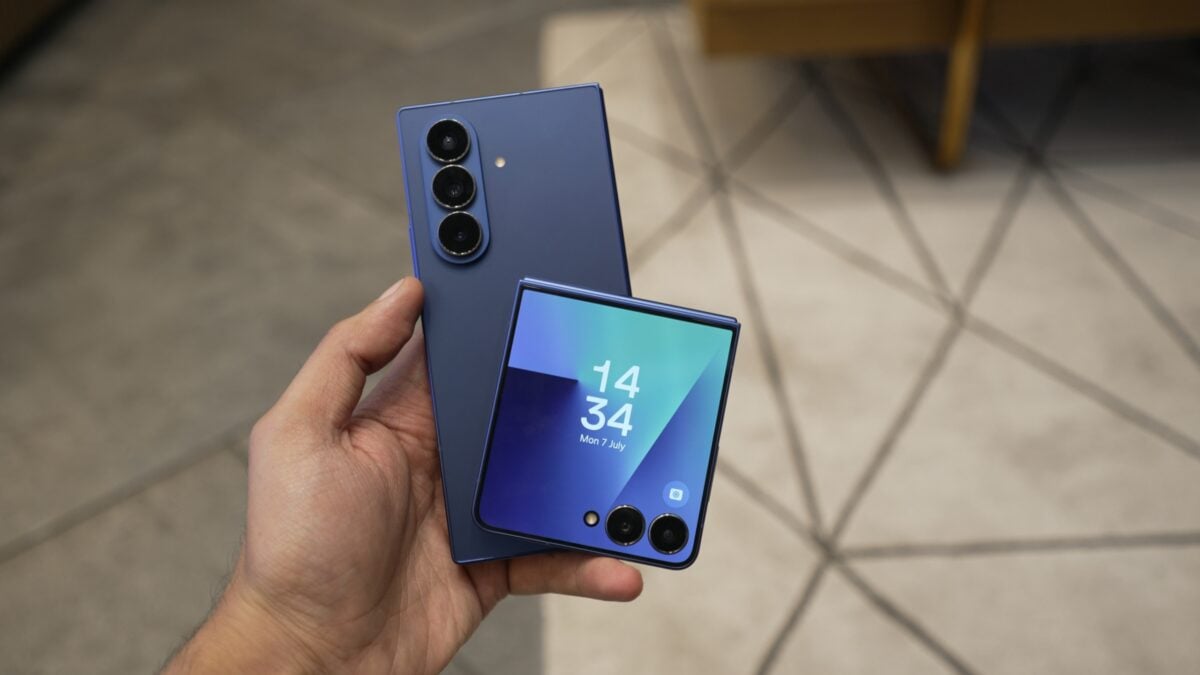
Analyzing the Shift Toward Premium Smartphone Sales
According to the latest data from CyberMedia Research (CMR), Samsung secured its position as the second-largest smartphone brand in India by units sold in 2025. While the company's overall shipments experienced a 9% decline compared to the previous year, the internal composition of those sales has improved drastically. The 45% growth in the premium segment highlights that Indian consumers are increasingly opting for flagship experiences, specifically investing in the **Galaxy Z Fold** and Galaxy S series.
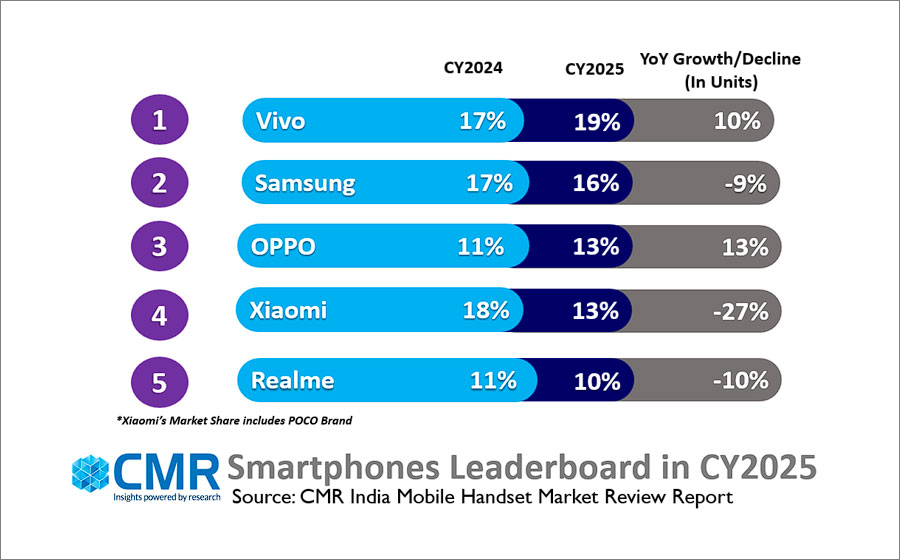
In the broader market context, Vivo maintained the top spot with a 19% market share, achieving 10% growth. However, CMR notes that Vivo's success is largely rooted in the mid-range segment. OPPO followed in third place, sustained by its entry-level and mid-tier offerings. Conversely, traditional heavyweights like Xiaomi faced a difficult year; the brand's sales plummeted by 25%, leaving them with a 13% market share. Realme rounded out the top five with a 10% stake in the **Smartphone Market**
The trend toward "premiumization" is not just a Samsung phenomenon but a market-wide reset. As 5G becomes the standard, users are looking for devices that offer longevity, better cameras, and unique form factors. Samsung’s strategic focus on AI-driven features and foldable innovation seems to be paying off, allowing them to extract more value even as total shipment volumes fluctuate.
What caused the massive growth in Samsung's high-end sales in India?
The 45% growth was primarily driven by the increasing popularity of the Galaxy S and Galaxy Z series. Consumers in India are shifting toward premium devices that offer better long-term value, advanced AI features, and innovative foldable designs.
Who is currently the largest smartphone brand in India by volume?
As of 2025, Vivo holds the top spot with a 19% market share. While they lead in units sold, their volume is heavily supported by mid-range devices rather than the ultra-premium segment where Samsung and Apple compete.
How did Xiaomi and Realme perform in the 2025 Indian market?
Xiaomi saw a significant decline of 25% in sales, ending the year with a 13% market share. Realme, which focuses on value-for-money handsets, secured the fifth position with a 10% share of the market.
Is Samsung still the revenue leader in India?
Yes, despite being second in unit shipments, Samsung is virtually tied with Apple for revenue leadership. This is because both companies sell a much higher proportion of expensive, high-margin smartphones compared to their competitors.
🔎 In conclusion, Samsung's performance in India for 2025 illustrates a successful pivot toward the premium sector. While the brand faces stiff competition from Chinese manufacturers in the budget and mid-range tiers, its dominance in the high-end market ensures it remains a financial powerhouse. As the Indian consumer continues to mature, the demand for sophisticated technology like foldables and AI-integrated flagships is likely to keep Samsung at the forefront of the industry's evolution.
Post a Comment