
Samsung QD-OLED Penta Tandem: Next-Gen Display Tech for Brighter TVs and Monitors
Samsung’s display manufacturing division has officially unveiled its latest breakthrough in screen technology, dubbed the QD-OLED Penta Tandem. This new generation of panels is specifically designed for high-end monitors and televisions, promising a significant leap forward in visual performance. By moving away from previous designs, Samsung is setting a new benchmark for how organic light-emitting diodes function in professional and consumer electronics, focusing on the core aspects of brightness and durability that users demand from Samsung Display products.
- ✨ **Five-Layer Structure:** A revolutionary organic light-emitting architecture for maximum output.
- ✨ **Enhanced Efficiency:** Offers a 30% improvement in luminance efficiency compared to previous models.
- ✨ **Extended Longevity:** Effectively doubles the lifespan of the panel, reducing burn-in risks.
- ✨ **Record Brightness:** Capable of reaching up to 4,500 nits for TVs and 1,300 nits for gaming monitors.
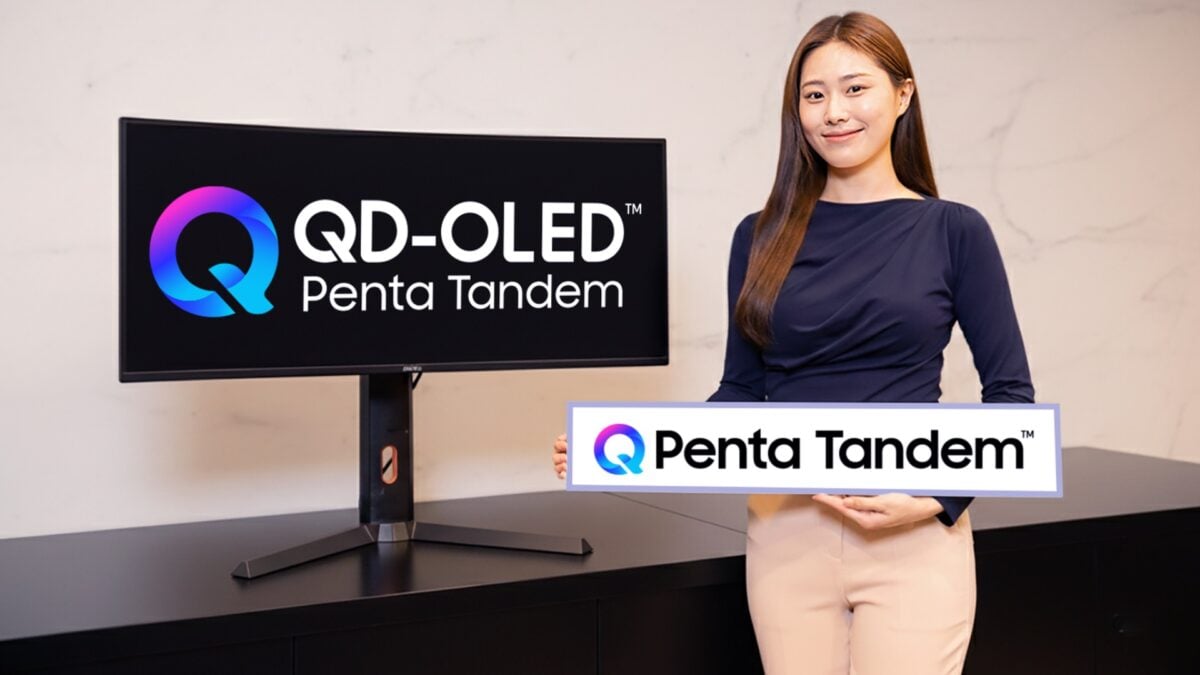
The Science Behind the Five-Layer Penta Tandem Structure
Traditional QD-OLED panels typically rely on a blue light-emitting layer to act as the primary backlight source. In a major architectural shift, Samsung Display has transitioned from a four-layer structure to a sophisticated five-layer "Penta Tandem" arrangement. This transition involves not just adding an extra layer, but also integrating cutting-edge organic materials. When combined, these engineering choices result in a screen that is not only brighter but also more power-efficient, directly competing with the latest Tandem OLED offerings from industry rivals.
The real-world benefits are substantial. Samsung reports that these changes provide 30% better luminance efficiency, allowing the screen to produce more light with less energy. Perhaps most importantly for QD-OLED monitor users, the lifespan of these panels has been doubled. This addresses one of the primary concerns regarding OLED technology—long-term durability—making it a more viable choice for desktop environments where static elements are common.
Unprecedented Brightness Levels for TV and Gaming
While the technology began appearing in select 2025 TV models, Samsung has now officially trademarked the "QD-OLED Penta Tandem" name. The performance metrics are staggering: TV panels utilizing this tech can hit peak brightness levels of 4,500 nits on a 3% window. For gamers, monitor panels can reach 1,300 nits. This ensures that HDR content is delivered with incredible impact, making highlights pop while maintaining the deep, "inky" blacks that OLED is famous for.
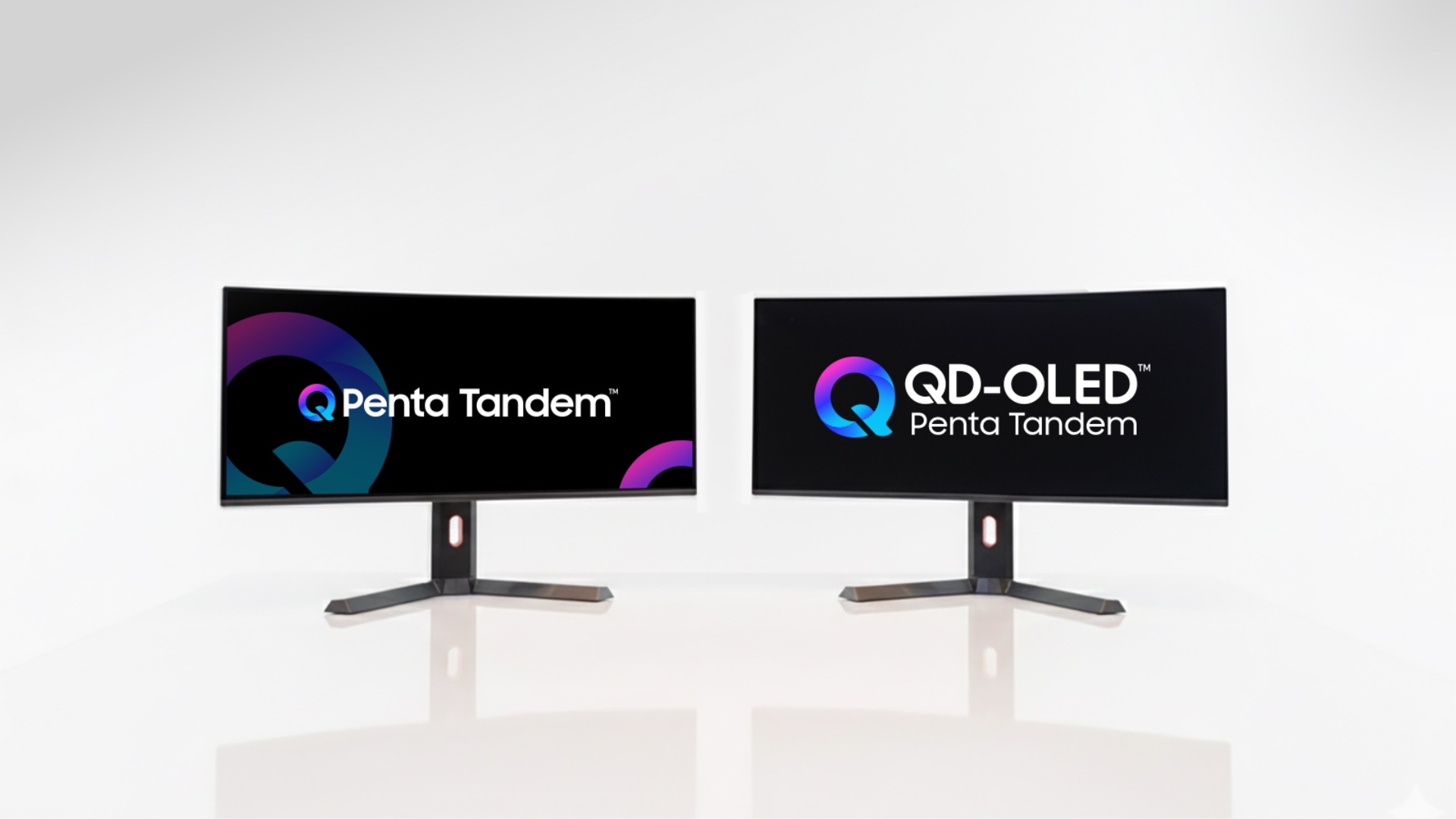
Furthermore, these panels have secured the VESA DisplayHDR True Black 500 certification. This means they can maintain perfect black levels (0.0005 nits or lower) while sustaining a peak brightness of 500 nits on a larger 10% window. Samsung's 27-inch variant is particularly noteworthy, boasting a pixel density of 160 ppi—the highest currently available for OLED gaming monitors. It remains the only 27-inch 4K (UHD) self-emissive panel in mass production, providing a significant resolution advantage over competitors who are currently capped at QHD for that size.
Available Panel Sizes and Specifications
Samsung Display plans to integrate the Penta Tandem technology across its entire monitor lineup throughout the year. Below are the specific configurations currently offered by the company:
| Panel Size | Resolution Type | Pixel Count |
|---|---|---|
| 27-inch | UHD | 3,840 × 2,160 |
| 31.5-inch | UHD | 3,840 × 2,160 |
| 34-inch | WQHD | 2,560 × 1,440 |
| 49-inch | Dual-QHD | 5,120 × 1,440 |
Brad Jung, Vice President and Head of the Large Display Marketing Team at Samsung Display, emphasized the complexity of this achievement: “A multi-layer organic light-emitting structure is not simply about adding more layers. It requires deep expertise in selecting materials and optimizing their thickness and combinations. Penta Tandem, built on nearly five years of QD-OLED mass production experience since 2021, represents the ultimate choice for customers looking to demonstrate the premium value of QD-OLED.”
What exactly is QD-OLED Penta Tandem technology?
It is Samsung's new five-layer organic light-emitting structure for display panels. By using five layers instead of four and utilizing advanced organic materials, the screens can achieve higher brightness and a longer operational lifespan.
How much brighter are these new panels?
The Penta Tandem panels offer a 30% increase in luminance efficiency. TV panels can reach peak brightness levels up to 4,500 nits, while monitor panels can reach up to 1,300 nits.
Does this technology help prevent OLED burn-in?
Yes, by doubling the lifespan of the organic materials, the Penta Tandem structure significantly improves the durability of the panel, which is a major factor in reducing the risk of permanent image retention or burn-in.
Which monitor sizes will feature this new technology?
Samsung is applying Penta Tandem to its entire current QD-OLED monitor lineup, including 27-inch UHD, 31.5-inch UHD, 34-inch WQHD, and 49-inch Dual-QHD panels.
What certifications do these panels have?
These panels have received the VESA DisplayHDR True Black 500 certification, ensuring they can maintain perfect blacks while hitting high peak brightness targets for high-dynamic-range content.
🔎 In conclusion, Samsung Display’s introduction of the QD-OLED Penta Tandem architecture marks a pivotal moment in the evolution of self-emissive screens. By successfully balancing extreme brightness with enhanced longevity, Samsung has effectively neutralized some of the long-standing criticisms of OLED technology. As these panels become the standard for premium TVs and gaming monitors throughout the year, consumers can expect a visual experience that is more vivid, efficient, and durable than ever before.
Post a Comment