
Samsung Reaches Massive Milestone: Over One Billion Active Galaxy Users Worldwide
The global landscape of mobile technology is constantly shifting, yet two giants remain firmly at the peak. A recent market analysis has revealed a staggering achievement for the South Korean tech leader, confirming that the reach of its mobile ecosystem has surpassed a historic threshold. This milestone not only highlights the brand's enduring popularity but also its ability to maintain a massive, dedicated user base across various continents and demographics.
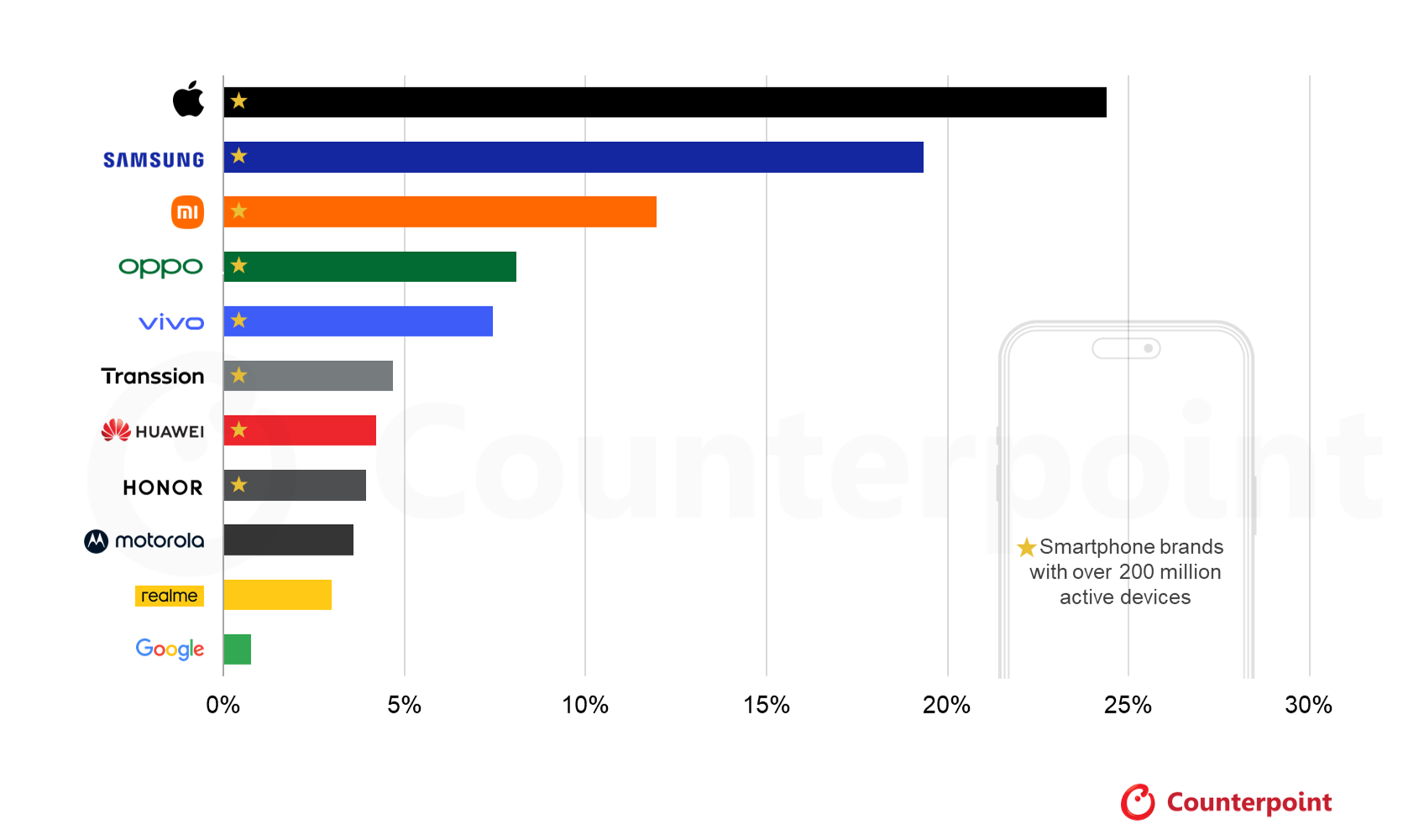
According to a detailed report from the research firm Counterpoint Research, there are now more than one billion Samsung Galaxy smartphones currently active across the globe. This accomplishment places the company in an elite category, ranking second only to Apple in terms of total active devices. Collectively, these two industry leaders account for over 44 percent of the world’s active smartphone population, effectively creating a duopoly in long-term user retention.
- ✨ Samsung has officially crossed the milestone of one billion active smartphone users globally.
- ✨ The company holds a 19% share of the world's total active smartphone installations.
- ✨ Long-term software support and hardware durability are cited as primary factors for this success.
- ✨ The upcoming Galaxy S26 series is expected to further strengthen this market position.
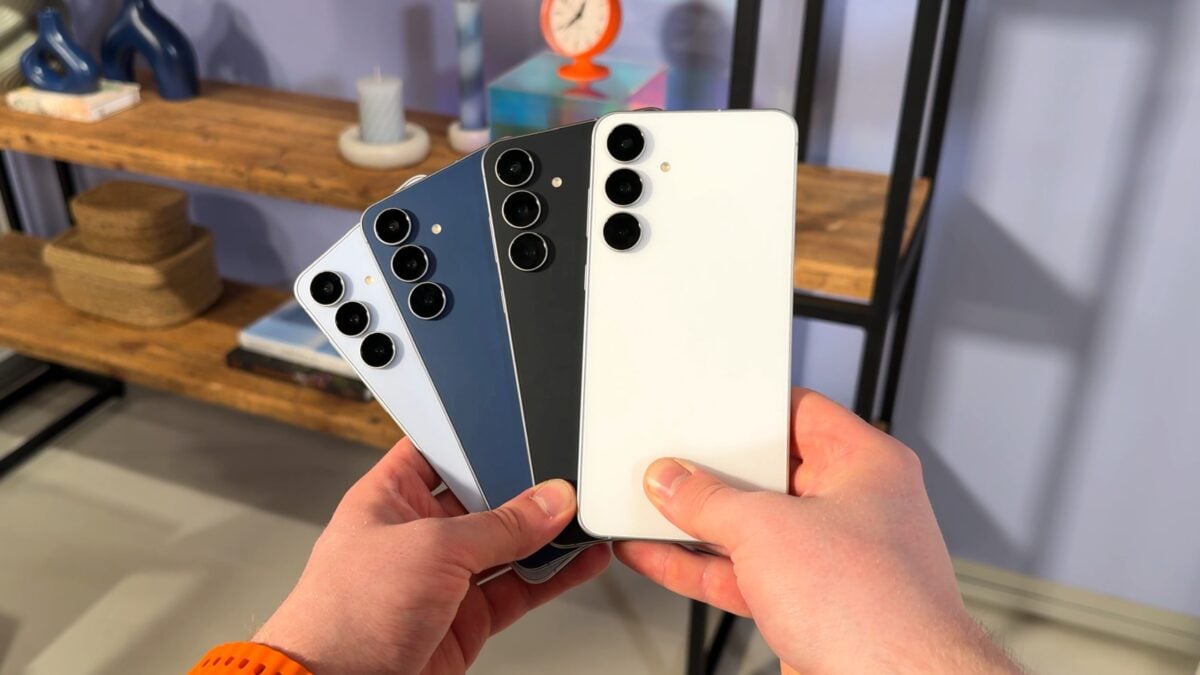
The Global Hierarchy of Active Smartphones
Reaching the one-billion mark is no small feat. It requires more than just high sales figures; it necessitates a "sticky" ecosystem where users choose to stay with the brand over multiple upgrade cycles. Apple currently leads the pack with a 24 percent share of active smartphones, while Samsung Galaxy devices represent a solid 19 percent of all handsets in use today. No other manufacturer has yet managed to penetrate the billion-user club, though several Chinese brands are making significant strides in total volume.
The report emphasizes that both Apple and Samsung have successfully fostered deep brand loyalty. This is achieved through a combination of durable hardware that lasts for years, extended software update cycles that keep older devices relevant, and high resale values that make upgrading within the same brand more financially attractive. Furthermore, the integration between phones, tablets, and wearables creates a "walled garden" effect that encourages users to remain within the ecosystem.
| Smartphone Manufacturer | Global Active Share (%) |
|---|---|
| Apple | ~24% |
| Samsung | ~19% |
| Xiaomi | ~12% |
| OPPO | ~8% |
| Vivo | ~7% |
| Transsion (Itel and Tecno) | ~4.5% |
| Huawei | ~4% |
| Honor | ~4% |
| Realme | ~3% |
| ~1% |
The Battle for the Premium Segment
While brands like Xiaomi, OPPO, and Vivo have successfully deployed over 200 million active units each, the report highlights a significant gap in the premium market. These manufacturers largely command the budget and mid-range sectors but struggle to capture more than single-digit shares in the $600+ price bracket. Samsung and Apple, however, continue to dominate this high-end segment, which is increasingly becoming the primary battlefield for innovation.
As hardware advancements (such as camera sensors and screen resolutions) begin to plateau, the competition is shifting toward software intelligence and ecosystem synergy. Samsung has recognized this trend by investing heavily in AI-driven features and seamless cross-device functionality, ensuring that their users feel they are getting a cutting-edge experience that goes beyond mere specs.
What’s Next? The Anticipated Galaxy S26 Series
The future looks even brighter for the tech giant as it prepares for its next major release. Samsung is set to announce the Galaxy S26 series later this month, with devices expected to hit store shelves by early next month. These new handsets will reportedly introduce significant leaps in Artificial Intelligence, refined software interfaces, and meaningful hardware upgrades to maintain their competitive edge.
For those looking to stay at the forefront of mobile technology, the opportunity to secure the next generation of Galaxy devices is already here. You can pre-reserve your unit to ensure you are among the first to experience these innovations by following the link below.
How many Samsung smartphones are currently active worldwide?
There are currently over one billion active Samsung Galaxy smartphones in use globally, making it one of only two brands to reach this milestone.
Where does Samsung rank compared to other smartphone manufacturers?
Samsung ranks second globally in terms of active devices, holding a 19% market share. Apple is the only manufacturer ahead of them, with a 24% share.
Why do Samsung users stay loyal to the brand?
High user retention is attributed to durable hardware design, extended software support cycles, strong resale value, and a well-integrated ecosystem of apps and accessories.
What is the market share of Google Pixel phones?
According to the Counterpoint Research report, Google Pixel phones currently account for approximately 1% of the globally active smartphone base.
When will the next Samsung flagship be released?
The Galaxy S26 series is scheduled to be officially announced in late February, with retail availability expected to begin in early March.
🔎 This milestone of one billion active users is a testament to Samsung's consistent innovation and its ability to adapt to a rapidly changing market. By focusing on long-term value and ecosystem depth, the company has secured a dominant position that few others can hope to challenge. As we look toward the launch of the Galaxy S26, it is clear that Samsung's influence on the global mobile industry remains as powerful as ever.
Post a Comment