
Samsung Set to Revolutionize AI Industry: Mass Production of HBM4 Chips for Nvidia Begins This Month
Samsung is making a monumental leap in the semiconductor race, reportedly initiating the mass production of its sixth-generation high-bandwidth memory (HBM4) chips as early as this month. These chips are poised to power Nvidia’s next-gen AI systems, marking a pivotal shift in the global tech landscape. By accelerating its schedule, the tech giant aims to secure its dominance in the rapidly expanding artificial intelligence sector.
According to recent industry insights, Samsung Electronics is preparing to start the large-scale manufacturing of its HBM4 chips. These advanced semiconductor components are specifically designed to meet the extreme data processing demands of Nvidia’s upcoming AI accelerator, known as Vera Rubin. This move signals Samsung's intent to lead the next wave of AI hardware innovation.
- ✨ Samsung begins mass production of HBM4 chips this month to lead the AI memory market.
- ✨ The new chips will power Nvidia’s next-generation "Vera Rubin" AI accelerators.
- ✨ Samsung aims to leapfrog competitors like SK Hynix and Micron in the sixth-generation segment.
- ✨ Major tech giants like Google and Amazon are expected to follow Nvidia in adopting Samsung’s HBM4 technology.
Strategic Supply for Nvidia’s "Vera Rubin" AI Platform
Reports from South Korea suggest that Samsung could begin shipping these critical High Bandwidth Memory units to Nvidia as early as next week. This timeline coincides with the Lunar New Year, indicating an aggressive push to meet Nvidia’s strict production window. The HBM4 chips will be integrated into Nvidia’s Rubin GPUs, which are engineered for hyperscalers and generative AI servers that require unprecedented speed and efficiency.
To ensure it can meet the massive demand, Samsung has significantly increased its investment in production capacity. This strategic move is designed to ensure a stable supply chain for Nvidia AI Accelerators, which currently dominate the global market for high-end AI processing hardware.
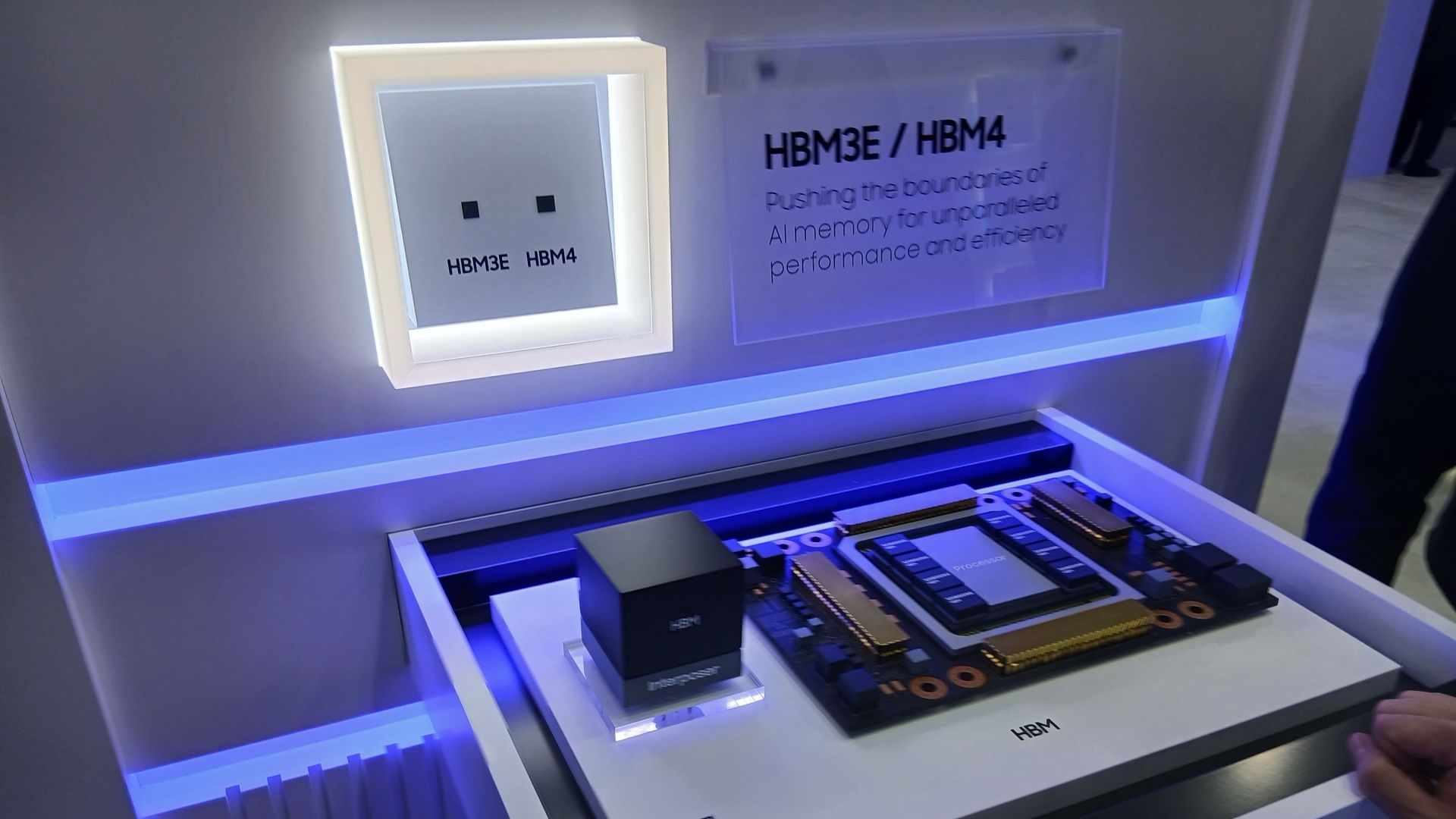
Overtaking the Competition in the HBM Segment
If these reports hold true, Samsung may have successfully overtaken SK Hynix, which has traditionally held the title of the world’s largest HBM supplier. While Samsung previously trailed SK Hynix and Micron in the HBM3 and HBM3E generations, its rapid progress with Samsung Semiconductor technology in the HBM4 category suggests it has regained its competitive edge.
Current AI hardware, such as the Nvidia B200 and AMD MI350, largely relies on fifth-generation (HBM3E) memory. However, the industry is quickly pivoting toward HBM4, where Samsung is projected to become the primary supplier. This transition is vital for the next generation of LLMs (Large Language Models) that require vast memory bandwidth to function effectively.
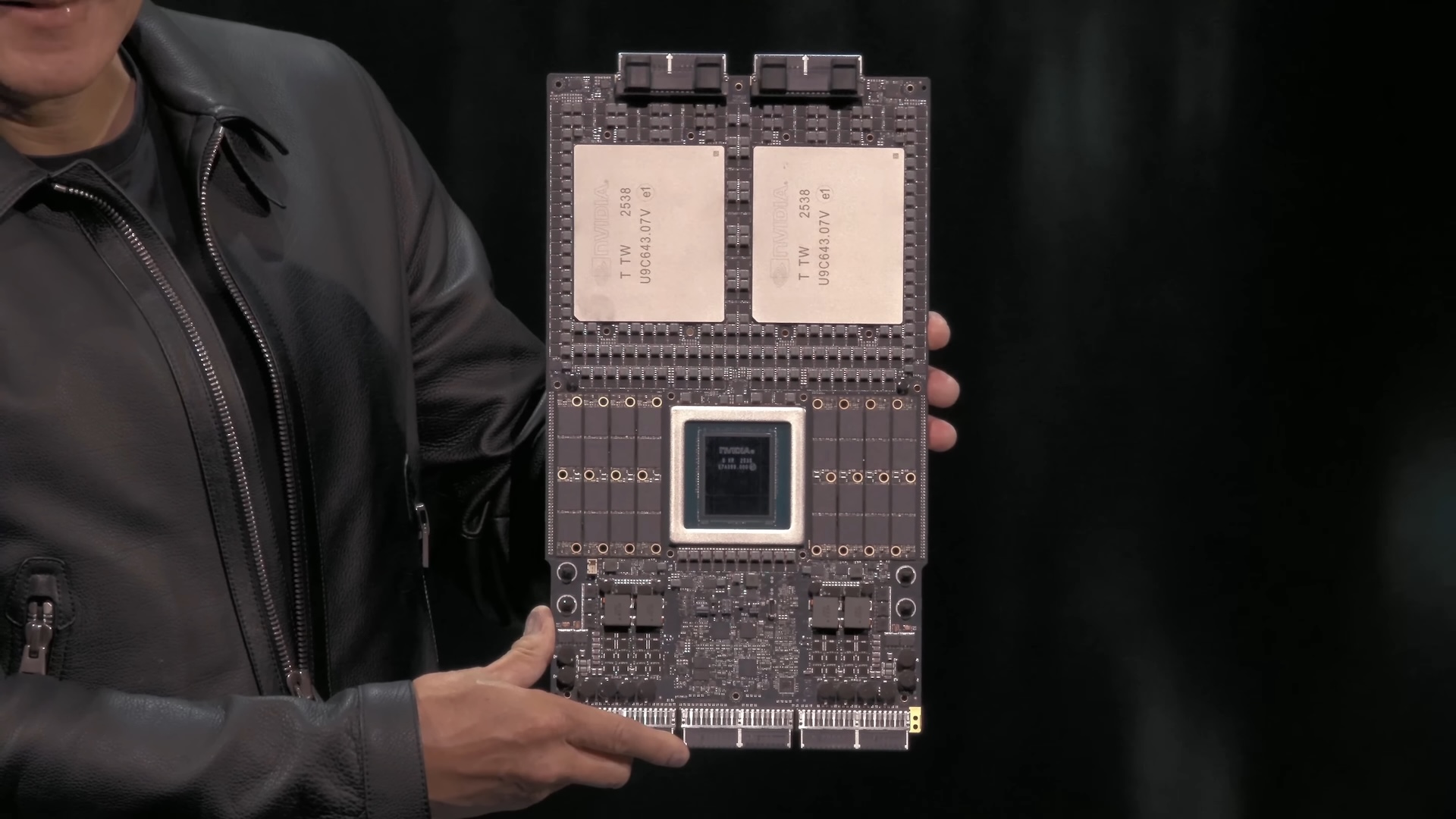
Industry verification tests indicate that Samsung’s HBM4 chips have passed Nvidia’s rigorous quality standards with "flying colors." This successful validation has led to immediate orders, as Nvidia seeks early access to the most advanced memory technology available. Furthermore, other tech giants such as Google (Alphabet) and Amazon are rumored to be considering Samsung’s HBM4 for their proprietary AI chips, such as the Google Ironwood TPU.
What makes HBM4 different from previous memory generations?
HBM4, or sixth-generation high-bandwidth memory, offers significantly higher data transfer speeds and improved power efficiency compared to HBM3E. It features a wider interface and higher density, which is essential for the next generation of AI accelerators that process trillions of parameters in real-time.
Why is Samsung's partnership with Nvidia so critical?
Nvidia currently holds a dominant share of the AI chip market. By becoming a primary supplier of HBM4 chips for Nvidia’s Vera Rubin architecture, Samsung secures a massive revenue stream and cements its position as a leader in the global semiconductor supply chain.
Will other companies besides Nvidia use Samsung’s HBM4?
Yes, major cloud service providers and "hyperscalers" like Amazon and Google are expected to integrate Samsung’s HBM4 chips into their own custom-designed AI hardware to improve the performance of their data centers and generative AI services.
How did Samsung catch up to SK Hynix in the HBM market?
Samsung invested heavily in research and development and expanded its production facilities to overcome earlier yields issues. By aligning its production schedule specifically with the requirements of major clients like Nvidia, Samsung was able to accelerate the deployment of HBM4 ahead of its competitors.
🔎 The commencement of HBM4 mass production marks a historic turning point for Samsung. As the demand for artificial intelligence continues to skyrocket, the ability to provide the "brain" of these systems—high-speed memory—will define the winners of the next decade. By securing Nvidia as a key partner and potentially bringing Amazon and Google into the fold, Samsung is not just making chips; it is building the foundation for the future of global technology.
Post a Comment