
Samsung Sets Sights on Future AI Dominance: Development of HBM4E and HBM5 Memory Chips Underway
The global semiconductor landscape is shifting rapidly as the demand for high-performance computing reaches unprecedented heights. Samsung, a titan in the memory industry, is making strategic moves to reclaim its crown and lead the next generation of artificial intelligence hardware. After navigating a competitive period in the fifth-generation memory market, the company is now accelerating its roadmap to deliver groundbreaking technology to industry leaders like Nvidia.
Article Synopsis:
- ✨ Samsung has officially entered mass production for 6th-generation HBM4 chips.
- ✨ Initial shipments to Nvidia are expected to commence within this month.
- ✨ Active development is already progressing for HBM4E and HBM5 generations.
- ✨ Strategic supply chain optimizations are driving record-breaking financial growth.

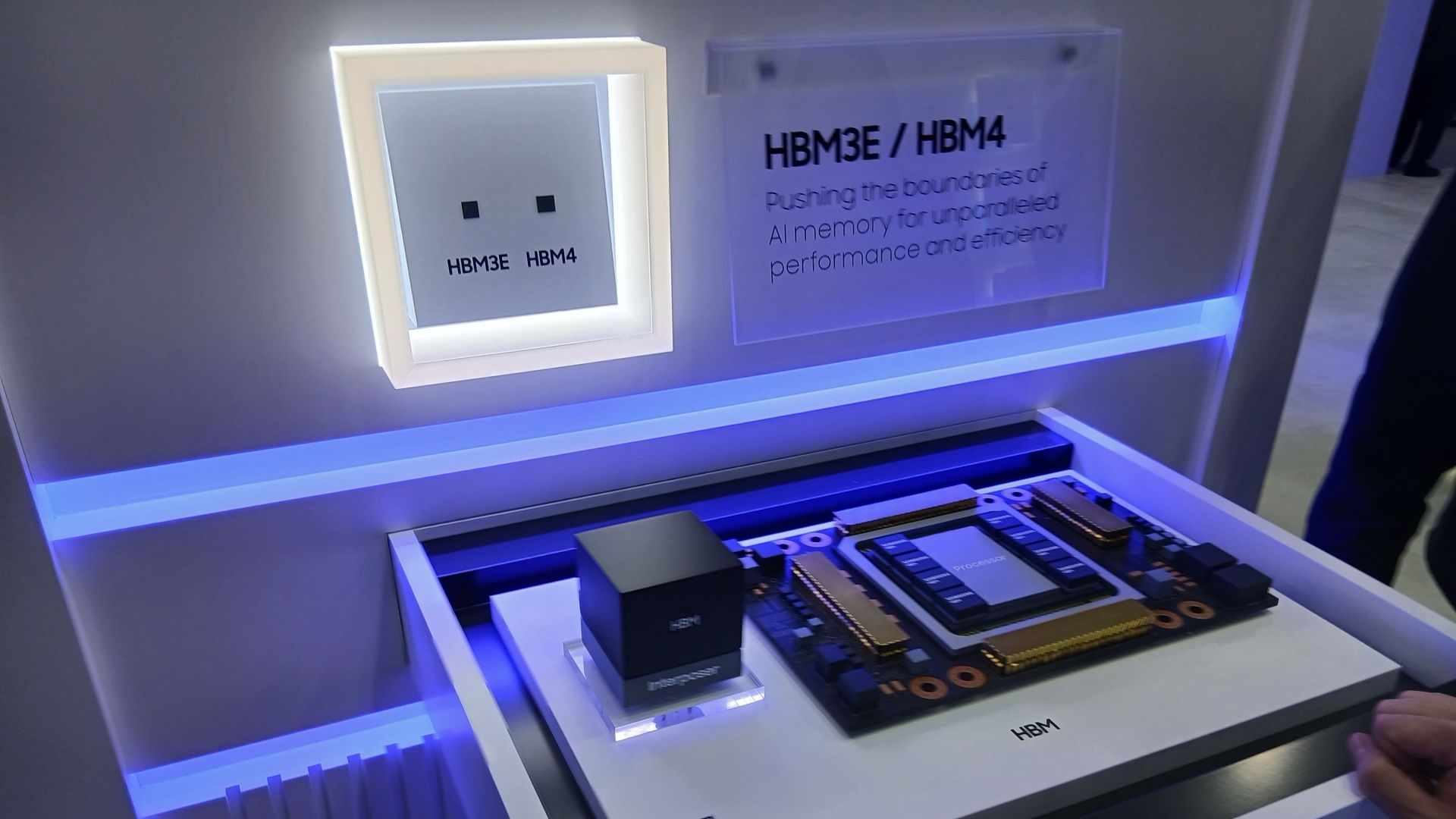
While Samsung faced significant challenges from rivals during the rollout of fifth-generation High-Bandwidth Memory (HBM3E), the tech giant has successfully closed the gap with its latest innovation: HBM4. Reports indicate that mass production of these sixth-generation chips is already in full swing. This is a pivotal moment for the company, as it prepares to ship these advanced components to Nvidia later this month, solidifying its position as a critical supplier in the AI Memory ecosystem.
Leadership and Innovation at Semicon Korea 2026
During the Semicon Korea 2026 expo, an event featuring over 550 global semiconductor innovators, Samsung Electronics CTO Song Jai-hyuk shared a bold vision for the company's future. He expressed immense confidence in Samsung’s current trajectory, noting that the company is finally demonstrating its "true self" by responding to market needs with world-class technology. This renewed focus is part of a broader strategy to dominate the high-stakes AI Memory sector.
To maintain this momentum, Song highlighted that Samsung has meticulously optimized its supply chain. By integrating design and manufacturing processes more tightly, the company has created a "synergy" that allows it to produce the specialized chips required for the booming artificial intelligence industry more efficiently than ever before.
The Roadmap to HBM5 and Beyond
The future looks even more ambitious. According to leadership, major industry partners have already signaled their satisfaction with the performance of the HBM4 lineup. However, Samsung is not resting on its laurels. The company has confirmed that it is already deep into the development of seventh-generation HBM (HBM4E) and eighth-generation HBM (HBM5) chips.
This aggressive development cycle is fueled by the ongoing AI revolution, which has already helped Samsung reach record-breaking revenue and profit margins. As the company begins delivering HBM4 units in earnest, analysts expect this year to be one of the most successful in the history of Samsung's semiconductor division.
What makes HBM4 different from previous generations?
HBM4, or sixth-generation high-bandwidth memory, offers significantly higher data transfer speeds and better power efficiency compared to HBM3E. It is specifically designed to handle the massive datasets required for training large language models and other advanced AI applications.
When will Nvidia receive the first batch of Samsung HBM4 chips?
Samsung has indicated that it plans to begin shipping its newly mass-produced HBM4 chips to Nvidia within the current month, marking a significant milestone in their partnership.Click here to view the official report
What are HBM4E and HBM5?
These represent the seventh and eighth generations of high-bandwidth memory, respectively. Samsung is already developing these technologies to ensure they remain the world leader in memory solutions as AI hardware requirements continue to evolve.
How is the AI boom impacting Samsung’s business?
The surge in AI demand has led to record-breaking financial results for Samsung. The company recently reported its highest revenue and profit figures, driven largely by the massive demand for specialized memory chips used in AI servers.
🔎 In conclusion, Samsung's aggressive push into the next frontier of memory technology signals a definitive comeback in the semiconductor race. By rapidly transitioning from HBM4 to the development of HBM5, the company is ensuring that it remains the backbone of the global AI infrastructure. As these advanced chips begin to reach major clients, the impact on both the technology sector and Samsung's financial future is likely to be profound and long-lasting.
Post a Comment