
Samsung Shifting Strategy: Why the Galaxy Z Fold 8 Will Take Center Stage Over the Z Flip 8 in 2026
The foldable smartphone market is witnessing a historic pivot as Samsung prepares for its next generation of devices. For years, the pocket-friendly "Flip" series reigned supreme as the volume leader, but recent market dynamics suggest a major change in consumer appetite. As we look toward the 2026 release cycle, Samsung is reportedly doubling down on its flagship book-style foldable, signaling a new era for the Galaxy Z Fold 8.
- ✨ Samsung plans to produce 3.5 million units of the Z Fold 8, surpassing the Z Flip 8 production for the first time.
- ✨ The strategic shift follows the massive success of the Galaxy Z Fold 7, which outsold the clamshell model.
- ✨ Total foldable shipments are expected to grow significantly, targeting over 6 million combined units.
- ✨ Increased consumer confidence in premium, expensive foldables is driving higher profit margins for the company.
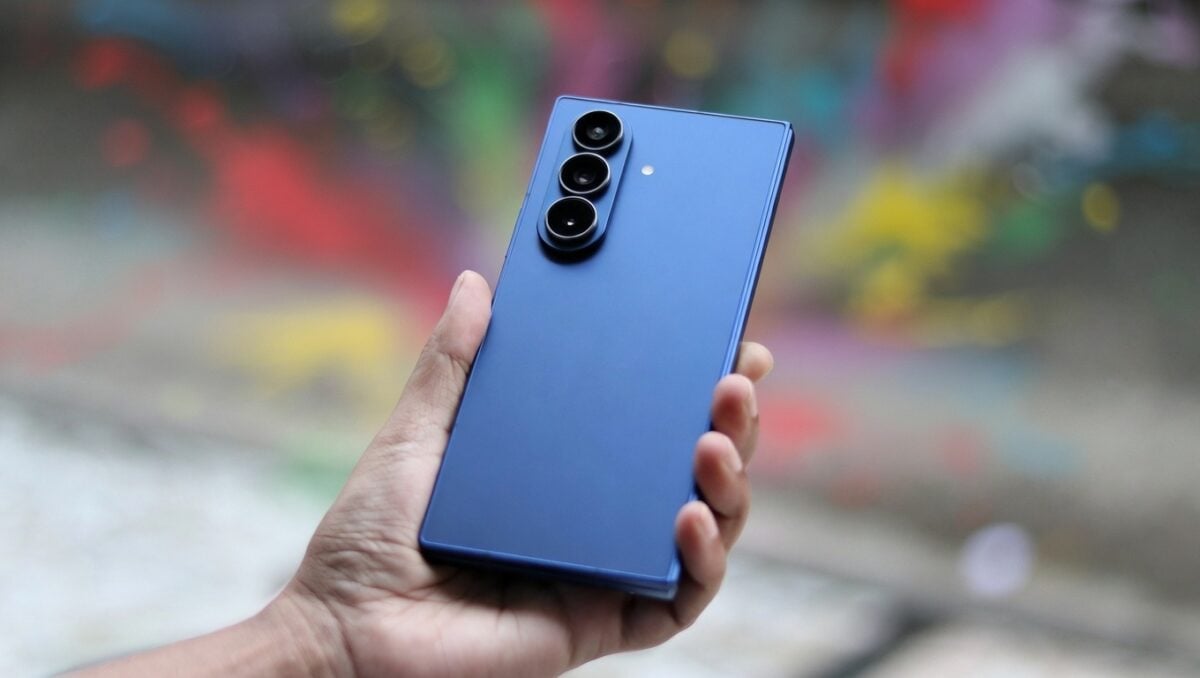
The Rise of the "New Normal" in Foldable Sales
Last year’s release of the Galaxy Z Fold 7 marked a significant turning point for Samsung’s mobile division. It was the first instance where the more expensive Fold model actually outsold the Galaxy Z Flip 8's predecessor. Historically, the clamshell design was the clear leader due to its lower price point and compact form factor. However, Samsung now expects this "new normal" to solidify in 2026, with the Z Fold 8 poised to find even more buyers in the global market.
This shift indicates that users are no longer just looking for a "cool" folding phone; they are seeking a high-productivity powerhouse. The market's move toward the larger screen suggests that the utility of a tablet-sized display in a pocketable format is finally outweighing the portability-first appeal of the Flip series.
Production Plans: More Folds, Fewer Flips
According to a recent industry report from South Korea, Samsung is adjusting its manufacturing pipelines to reflect this change in demand. The company is reportedly planning to produce approximately 3.5 million units of the Galaxy Z Fold 8, while the production target for the Z Flip 8 is set between 2.5 and 3 million units. If these figures hold true, it will be the first time in Samsung’s history that initial production favors the Fold over the Flip.
This production strategy suggests that Samsung is anticipating a surge in total shipments. Last year, the combined shipments for the Fold 7 and Flip 7 were around 6 million units. By increasing the Fold's production share, Samsung is positioning itself to capitalize on a segment with much higher profit margins. Consumers are showing they are willing to spend top dollar on a device that offers a unique, book-style multitasking experience.
Economic Impact and Consumer Confidence
The transition to a Fold-heavy strategy is a financial win for Samsung. As a higher-margin product, every Galaxy Z Fold 8 sold generates significantly more revenue and profit than a Flip model. This increased consumer confidence in the more expensive hardware demonstrates that the technology has matured enough for users to treat it as their primary, long-term device rather than a secondary novelty.
For Samsung, this means that 2026 could be one of its most profitable years for the foldable category. By focusing on the device that people are "really digging," the tech giant is aligning its supply chain with the reality of current market trends.
Why is Samsung producing more Galaxy Z Fold 8 units than the Flip this year?
Samsung is responding to a shift in consumer demand. After the Galaxy Z Fold 7 outsold the Flip model last year, the company realized that buyers are increasingly interested in the premium, high-productivity features of the larger book-style foldable.
How many units of the Z Fold 8 does Samsung plan to make?
Reports indicate that Samsung intends to manufacture approximately 3.5 million units of the Galaxy Z Fold 8, compared to about 2.5 to 3 million units for the Galaxy Z Flip 8.
Does this mean the Galaxy Z Flip series is becoming less popular?
Not necessarily. The Flip remains a popular choice, but the Fold is gaining ground as a primary device for power users. The growth in Fold sales suggests that the market for expensive, high-end foldables is expanding faster than the entry-level foldable market.
What are the financial benefits of this shift for Samsung?
The Galaxy Z Fold 8 has a higher price point and better profit margins. By selling more Fold units relative to the Flip, Samsung can significantly increase its overall revenue from the mobile division.
🔎 Ultimately, Samsung's decision to prioritize the Galaxy Z Fold 8 highlights a maturing market where productivity and premium features are driving sales. As the company prepares for its biggest foldable year yet, the shift from "compact and portable" to "large-screen power" seems to be the definitive path forward for the industry.
Post a Comment