
Samsung’s Privacy Pivot: New Agreement Ends Unauthorized Smart TV Screenshots in Texas
In an era where digital privacy is a top priority for consumers, Samsung Smart TVs have recently been at the center of a significant legal controversy. Following allegations of "spying" on residents, the tech giant has officially committed to a new standard of transparency regarding how it monitors user activity on its television screens.
- ✨ Samsung settles a major privacy lawsuit with the Texas Attorney General regarding unauthorized data collection.
- ✨ The agreement mandates that Automated Content Recognition (ACR) technology will no longer operate without explicit user consent.
- ✨ Samsung is the first major manufacturer among several sued companies to reach a formal resolution.
- ✨ Users will now see clear disclosures and consent screens to better understand how their viewing data is used.
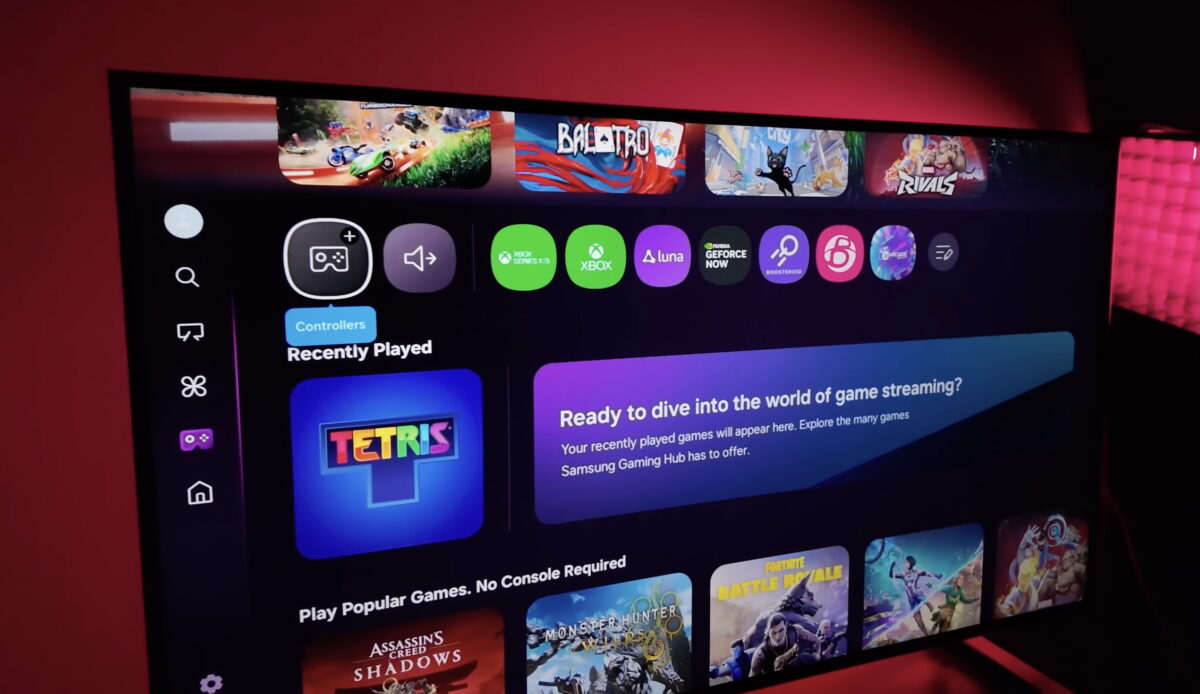
The legal battle was initiated by Texas Attorney General Ken Paxton, who alleged that Samsung and several other television manufacturers were infringing on the privacy of Texas residents. The core of the dispute involved Automated Content Recognition (ACR) technology. This system was designed to take screenshots of whatever was displayed on the screen—regardless of the source—to gather data and serve more targeted advertisements to users.
The End of Default "Spying" via ACR Technology
Previously, Samsung had this ACR feature enabled by default, often without the user's direct knowledge. The technology was remarkably aggressive, capturing screen data approximately every 500 milliseconds. This information was then transmitted to Samsung's servers and shared with various third-party partners. While the case was active, a Texas court had already ordered a temporary halt to this practice, but this new agreement makes the change permanent and legally binding.
Under the newly signed agreement, Samsung Electronics must ensure that no ACR data is collected from Data Privacy-conscious users unless they have been fully informed and have provided explicit consent. This marks a massive shift toward consumer-centric Samsung Privacy Policy management in the smart home sector.
Furthermore, the agreement requires Samsung to push software updates to its smart TVs. These updates will introduce clear disclosures and educational consent screens. The goal is to provide Texans—and potentially all users in the future—with the necessary information to make an informed decision about whether they want their viewing habits tracked for advertising purposes.
While Samsung has earned praise from the Attorney General for being the first to step up and ink this deal, other major players in the industry are still under fire. Manufacturers such as Sony, TCL, and LG were also part of the original legal action, but they have yet to reach similar settlements. For now, Samsung stands alone as the leader in resolving these specific smart TV privacy concerns in the United States.
What exactly is Automated Content Recognition (ACR)?
ACR is a technology used in smart TVs to identify what is being played on the screen by taking frequent screenshots. This data is used by manufacturers to understand viewing habits and deliver personalized advertisements based on the shows, movies, or games you consume.
How often were these screenshots being taken?
According to the legal findings, the technology was capturing the contents of the TV screen roughly every 500 milliseconds. This data was then sent to the manufacturer’s servers and their advertising partners.
Does this agreement affect Samsung TV users outside of Texas?
While the current legal settlement was specifically reached with the Texas Attorney General, Samsung is required to update its smart TV software to include explicit consent screens for Texas residents. It is highly likely that these transparency features will eventually be rolled out more broadly to maintain a consistent user experience and comply with evolving privacy standards.
Are other TV brands still taking screenshots?
Companies like LG, Sony, and TCL were also named in the lawsuit. Since they have not yet reached a settlement similar to Samsung's, their data collection practices remain a subject of ongoing legal scrutiny and litigation in the state of Texas.
🔎 This landmark agreement between Samsung and the state of Texas serves as a critical reminder of the importance of consumer consent in the digital age. By moving away from default data harvesting and toward a model of transparency, Samsung is setting a precedent that other tech giants will likely have to follow. As smart TVs become increasingly integrated into our daily lives, ensuring that our living rooms remain private spaces is a victory for all consumers.
Post a Comment