
Samsung’s Revolutionary ISOCELL HPA: The Future of 200MP Smartphone Photography
Samsung has consistently pushed the boundaries of mobile imaging, releasing several 200MP sensors over the last few years. Despite this, the physical size of these sensors has often lagged behind the massive hardware produced by competitors like Sony and OmniVision. However, recent reports suggest that the tech giant is currently developing its largest 200MP sensor to date, aimed at claiming the throne in the ultra-high-resolution smartphone sensors market.
- ✨ Samsung is reportedly working on the ISOCELL HPA, a massive 1/1.12-inch sensor.
- ✨ The new sensor will utilize LOFIC technology for superior dynamic range.
- ✨ It is expected to debut in 2027, potentially for high-end Chinese flagship devices.
- ✨ The Galaxy S27 Ultra is rumored to stick with a slightly smaller but highly optimized HP6 sensor.
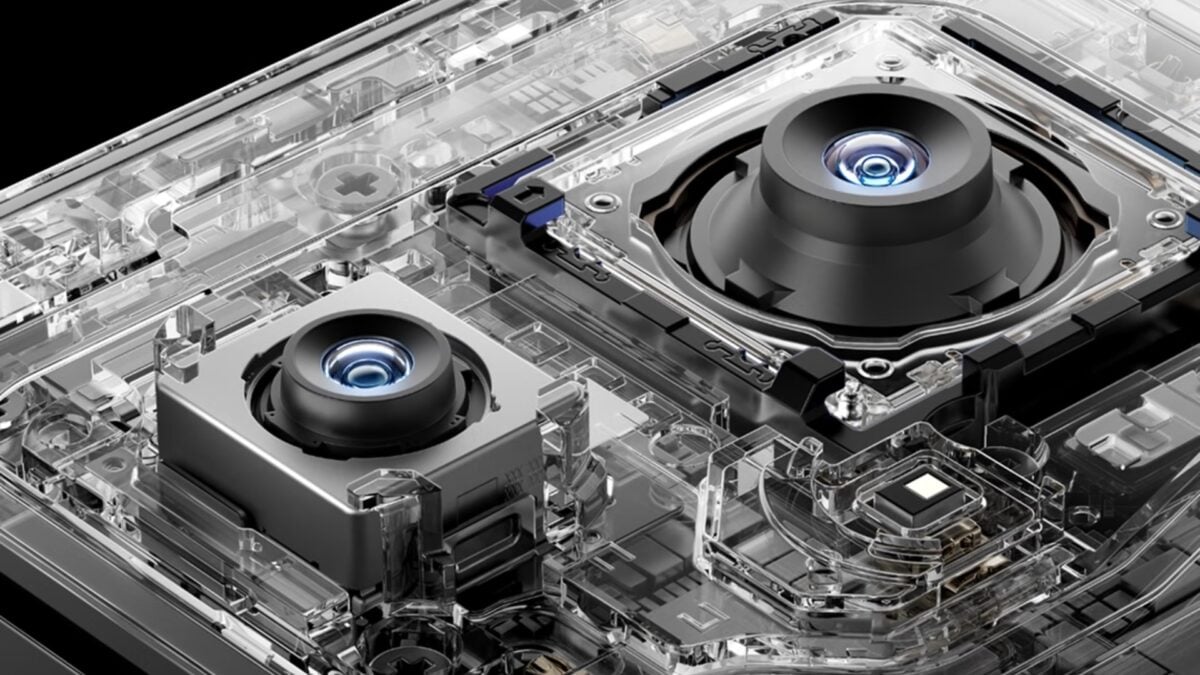
Breaking the Size Barrier: The Rise of ISOCELL HPA
According to insights from the well-known industry tipster Digital Chat Station, Samsung's upcoming 200MP powerhouse will likely be branded as the ISOCELL HPA. This sensor is expected to feature a 1/1.12-inch footprint. To put that into perspective, this size covers roughly 89% of the surface area found in the legendary 1-inch sensors from Sony. This makes the HPA equivalent in size to Samsung Galaxy camera components like the 50MP ISOCELL GN2, as well as Sony’s own high-resolution LYT-901.
One of the most exciting aspects of the ISOCELL HPA is the rumored inclusion of Lateral Overflow Integration Capacitor (LOFIC) technology. This advanced hardware allows the sensor to handle extreme lighting conditions far more effectively than standard designs. By preventing pixels from becoming "overfilled" with light, LOFIC helps capture intricate details in both the brightest highlights and the deepest shadows, virtually eliminating the risk of overexposure in high-contrast scenes.
The Roadmap for 2027 and the Galaxy S27 Ultra
While the ISOCELL HPA is generating significant buzz, it isn't expected to hit the market until 2027. Interestingly, rumors suggest this specific massive sensor might be targeted at "Ultra" flagship devices from Chinese manufacturers rather than Samsung's own hardware. For its own flagship, the Galaxy S27 Ultra, Samsung is reportedly eyeing the ISOCELL HP6.
The HP6 is expected to be a 1/1.3-inch 200MP unit. While physically smaller than the HPA, it will reportedly leverage cutting-edge ISOCELL technology to deliver performance that rivals much larger sensors. In addition to this primary sensor, the Galaxy S27 Ultra is anticipated to receive a significant boost in its secondary cameras, including a high-performance 50MP ultrawide lens.
What is the main difference between the ISOCELL HPA and previous Samsung sensors?
The primary difference lies in the physical size. At 1/1.12-inch, the ISOCELL HPA is significantly larger than previous 200MP iterations, allowing it to capture more light and compete directly with 1-inch sensors from other manufacturers.
How does LOFIC technology improve photo quality?
LOFIC (Lateral Overflow Integration Capacitor) technology expands the dynamic range of the sensor. It prevents pixels from blowing out in bright light while maintaining detail in dark areas, resulting in more natural and balanced images.
Will the Galaxy S27 Ultra feature the ISOCELL HPA sensor?
Current leaks suggest that the Galaxy S27 Ultra will actually use the ISOCELL HP6 sensor. While the HP6 is smaller than the HPA, it is designed with newer optimizations specifically tailored for Samsung's flagship ecosystem.
When can we expect to see the first phones with the HPA sensor?
The sensor is slated for a 2027 release. It is expected to appear first in high-end flagship smartphones from various Chinese brands that prioritize extreme camera hardware.
Is a larger sensor always better for photography?
Generally, a larger sensor allows for better low-light performance and a more natural shallow depth-of-field (bokeh). However, software processing and lens quality also play critical roles in the final image outcome.
🔎 The evolution of Samsung’s camera sensors highlights a strategic shift toward balancing raw pixel count with physical sensor size. While the ISOCELL HPA represents a massive leap in hardware for the industry, Samsung’s focus on optimizing slightly smaller sensors for its own flagships suggests that software and efficiency remain just as vital as hardware dimensions. As we approach 2027, the battle for smartphone camera supremacy is clearly moving toward better light management and dynamic range, promising a bright future for mobile photographers everywhere. For more details on the original report, you can check the source here.
Post a Comment