
Samsung’s Revolutionary Privacy Display: Why the Galaxy S25 Ultra Missed Out
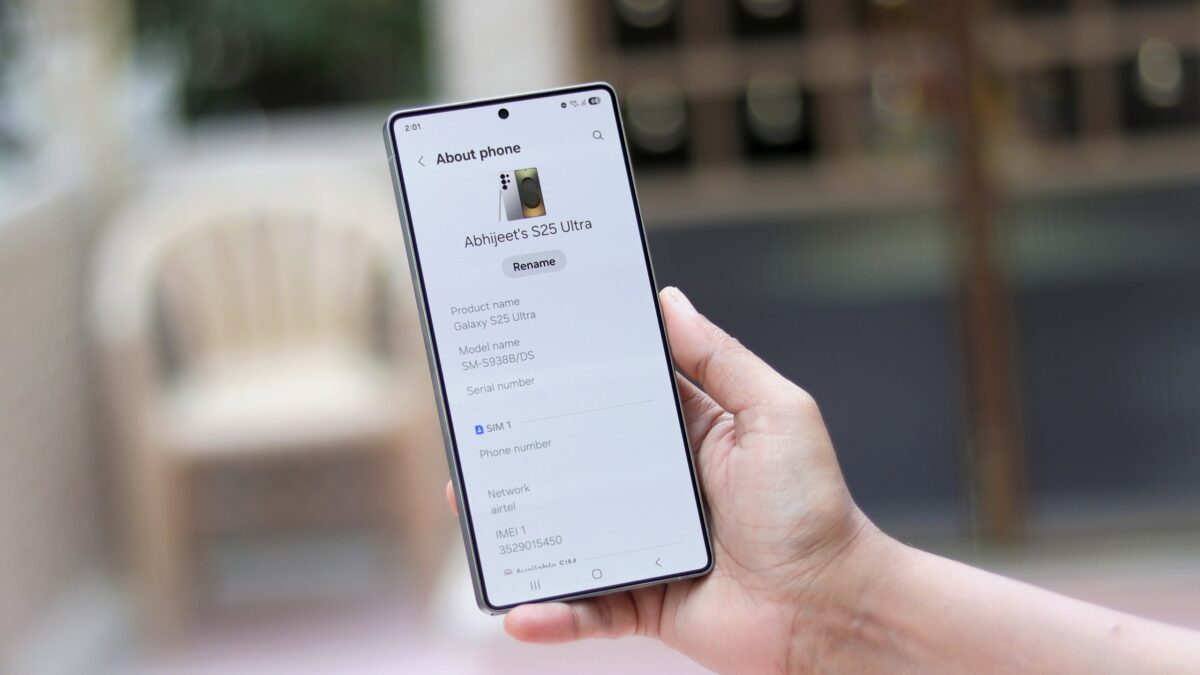
Samsung has consistently pushed the boundaries of smartphone screen technology over the last few years. While we recently celebrated the arrival of the Galaxy S26 Ultra and its cutting-edge Privacy Display, new reports suggest that this technology was actually intended to arrive much sooner. In fact, the "snoop-proof" screen was originally the crown jewel planned for the Samsung Galaxy S25 Ultra before technical hurdles forced a change in plans.
- ✨ The Privacy Display was initially developed for the Galaxy S25 Ultra but faced a year-long delay.
- ✨ This hardware-based feature uses Flex Magic Pixel OLED technology to block side-angle viewing.
- ✨ Samsung engineers spent nearly four years perfecting the concept to ensure screen clarity and privacy.
- ✨ Future plans include bringing this premium privacy feature to more affordable Samsung devices and foldables.
The Long Journey of the Flex Magic Pixel
Samsung MX Chief Operating Officer, Won-Joon Choi, recently shed light on the development cycle of the company's most advanced displays. According to Choi, the concept of a screen that prevents side-angle snooping was first proposed by a Samsung engineer nearly four years ago. This led to a massive collaborative effort between Samsung MX and Samsung Display to create what we now know as the Flex Magic Pixel OLED panel.
Despite the enthusiasm for the project, the road to launch was not smooth. "Our goal was to have this, to be honest with you, on the S25 Ultra," Choi admitted in a recent interview. While the team was "almost there," they encountered a series of final technical challenges that required another full year of research and development. This delay meant that the Samsung Galaxy S26 Ultra eventually became the debut platform for this hardware-level privacy solution.
How Privacy Display Protects Your Data
Unlike software filters that often dim the screen or reduce touch sensitivity, Samsung’s Privacy Display is a hardware-integrated feature. It works by controlling the light directionality of the OLED pixels. When activated, the screen remains perfectly clear for the user looking at it directly, but it becomes obscured or completely dark for anyone trying to peek from a side angle. This is particularly useful for users who frequently access sensitive information or banking apps in crowded public spaces.
Future Expansion: Foldables and Budget Phones
While the technology is currently exclusive to the Ultra lineup, Samsung does not intend to keep it that way forever. The executive team revealed that as the technology matures and production costs decrease, Privacy Display will likely migrate to more affordable smartphones. Furthermore, Samsung is actively researching how to adapt the Flex Magic Pixel technology for the unique folding screens of the Galaxy Z series, ensuring that the next generation of foldables offers the same level of securit
What exactly is Samsung's Privacy Display?
It is a hardware feature built into the Flex Magic Pixel OLED panel that hides on-screen content from people looking at your phone from side angles, effectively preventing visual hacking and snooping.
Why wasn't the feature included in the Galaxy S25 Ultra?
Although Samsung intended to debut the feature with the S25 Ultra, they encountered last-minute technical challenges that took an additional year to resolve, pushing the launch to the S26 Ultra.
Can I turn the Privacy Display off?
Yes, the feature is designed to be versatile, allowing users to toggle the privacy mode on or off depending on their environment and needs.
Will cheaper Samsung phones get this screen technology?
Samsung plans to bring Privacy Display to more affordable models in the future as the technology becomes more mature and easier to manufacture at scale.
Is this technology coming to the Galaxy Z Fold or Flip?
Samsung is currently researching ways to adapt the hardware requirements of Privacy Display to work with the flexible panels used in their foldable device lineup.
🔎 The evolution of Samsung's display technology highlights the brand's commitment to both innovation and user security. While the Galaxy S25 Ultra missed out on this specific feature, the extra year of development ensured that the Privacy Display on the S26 Ultra is polished, functional, and ready for the masses. As this technology trickles down to more devices, it may soon become a standard expectation for any premium smartphone user.
Post a Comment