
The Dual-RAM Strategy: How Samsung and Micron Power the New Galaxy S26 Series
The tech world is buzzing with excitement as Samsung prepares to unveil its latest flagship lineup. Just moments before the official debut, fascinating details regarding the internal hardware of the Galaxy S26 family have emerged, revealing a strategic shift in how the company sources its vital components. All three devices in the upcoming lineup are confirmed to utilize the advanced LPDDR5X DRAM technology, but the origin of these chips marks a significant departure from previous years.
- ✨ The Galaxy S26 series utilizes LPDDR5X RAM sourced from both Samsung and Micron.
- ✨ A 50:50 distribution ratio between suppliers ensures supply chain stability.
- ✨ Rising global memory prices due to AI demand influenced the dual-sourcing decision.
- ✨ The Ultra model will feature up to 16GB of RAM for enhanced performance.
A Balanced Supply: The Dual-Supplier Approach
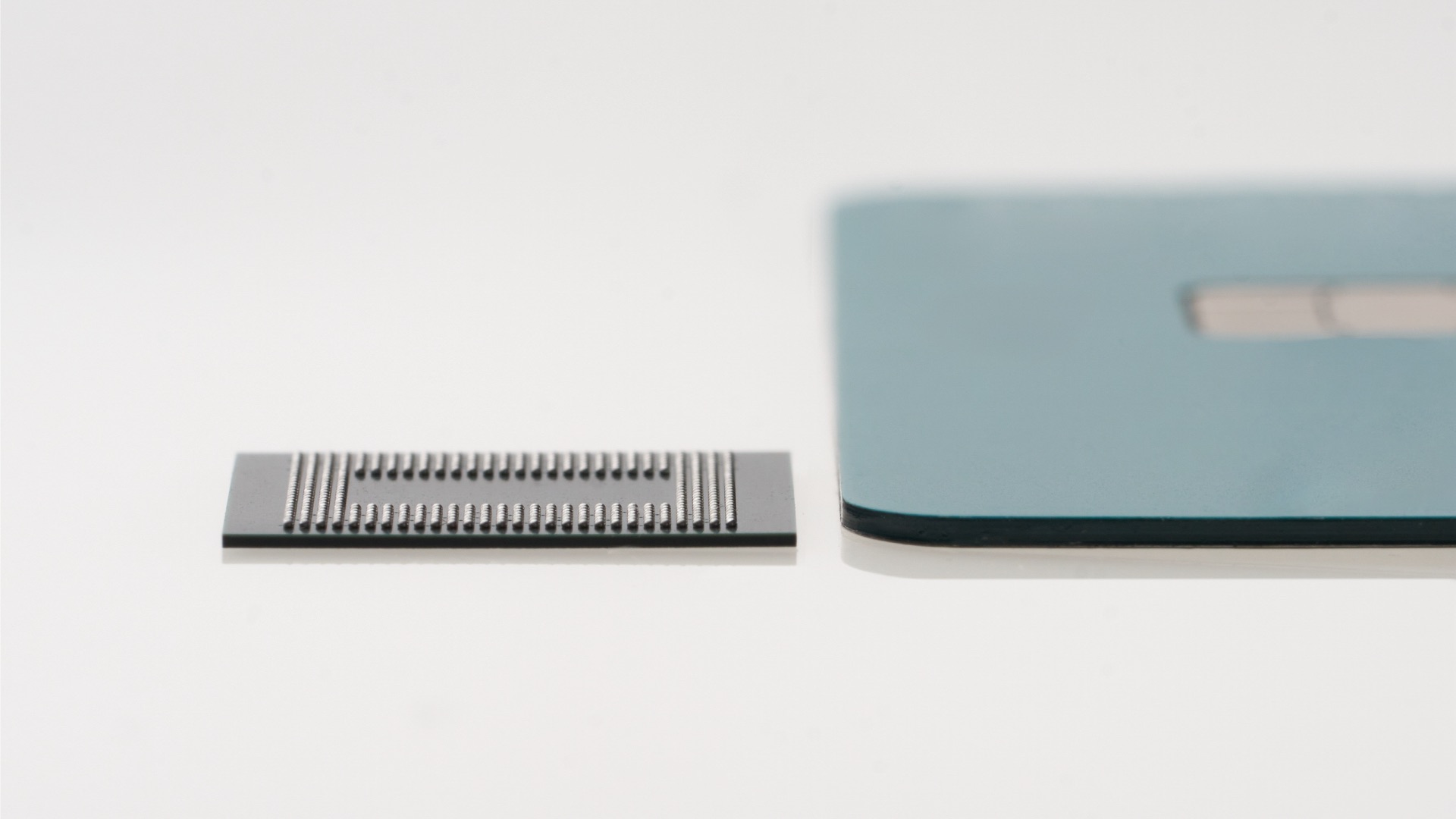
According to recent industry insights, the initial production batches of the Galaxy S26, Galaxy S26+, and Galaxy S26 Ultra are equipped with LPDDR5X memory from two major players: Micron and Samsung DS (the company’s semiconductor division). The distribution is reportedly split in a nearly 50:50 ratio. While Samsung’s mobile division, Samsung MX, has not yet confirmed if this balance will remain permanent for future production runs, experts believe this diversified approach is here to stay.
In terms of technical specifications, the standard Galaxy S26 and the Galaxy S26+ will both feature 12GB of LPDDR5X RAM. Meanwhile, the top-tier Galaxy S26 Ultra offers more flexibility, providing either 12GB or a massive 16GB of RAM, depending on the chosen storage configuration. This ensures that users can experience the full potential of Samsung Galaxy Unpacked innovations.
Why Diversify? Navigating the Global Memory Market
The decision to source RAM from multiple vendors is largely driven by external market pressures. Over the last several months, high-performance memory prices have skyrocketed. This surge is primarily caused by the massive demand from AI data centers and cloud giants like Amazon, Microsoft, Nvidia, and Google, who are consuming vast quantities of memory for complex AI workloads.
By relying on both Micron and its own internal semiconductor division, Samsung gains a safety net. This strategy ensures supply stability even when the market is constrained. Furthermore, it provides Samsung with stronger negotiating power regarding pricing, which is crucial for maintaining healthy profit margins in a competitive smartphone landscape.
Interestingly, during the production of the early Galaxy S25 batches last year, Samsung leaned heavily on Micron’s chips because they were perceived to offer superior performance at the time. However, this year, Samsung DS has reportedly closed the gap, with its internal LPDDR5X memory reaching performance levels equal to its rivals. This improvement allows the company to integrate more of its own technology into its flagship products, potentially lowering manufacturing costs.
Industry Impact and Future Outlook
The memory market is expected to remain under significant pressure for the foreseeable future. Reports suggest that even Apple has had to pay nearly double the previous price to secure enough memory chips for its iPhones for the first half of the year. If these elevated prices persist, consumers might eventually see an increase in smartphone prices globally.
Samsung’s balanced sourcing strategy for the Galaxy S26 series serves as a buffer against these volatile market conditions. By securing a steady flow of components from both internal and external sources, the tech giant is better positioned to meet consumer demand while managing the rising costs of production.
What type of RAM is utilized in the Galaxy S26 lineup?
Every model in the Galaxy S26 series, including the standard, Plus, and Ultra versions, uses the latest LPDDR5X DRAM technology for high-speed performance and efficiency.
Why did Samsung choose to use two different RAM suppliers?
Samsung is using both Micron and Samsung DS to ensure a stable supply chain and gain better pricing leverage, especially since global memory prices have risen due to high demand from the AI industry.
How much RAM will the Galaxy S26 Ultra have?
The Galaxy S26 Ultra will be available with either 12GB or 16GB of LPDDR5X RAM, depending on the specific storage variant selected by the user.
Is there a performance difference between the Samsung and Micron RAM chips?
While Micron was previously considered to have a slight edge, current reports indicate that Samsung DS chips have reached performance parity, meaning users should experience identical performance regardless of which chip is in their device.
Could rising RAM costs affect the final price of the phone?
Yes, if memory prices continue to climb globally, manufacturers may eventually pass those costs on to consumers, though Samsung's dual-sourcing strategy is designed to minimize this impact.
🔎 Ultimately, Samsung's decision to embrace a dual-supplier strategy for the Galaxy S26 series is a masterclass in supply chain management. By balancing internal innovation with external partnerships, they are not only securing their production lines but also ensuring that the Galaxy S26 remains a powerhouse of performance. As the official launch unfolds, it will be exciting to see how these high-spec components translate into the real-world user experience that Samsung fans have come to expect.
Post a Comment