
The Future of Galaxy Photography: Samsung Confirms Major Camera Hardware Breakthroughs
While Samsung has consistently pushed the boundaries of display technology, design aesthetics, and processing power in its flagship smartphones over recent years, many fans have felt that camera hardware improvements have been somewhat conservative. The company has often focused on refining apertures or increasing megapixel counts without significantly altering the physical sensor size. However, for those awaiting a more substantial leap in mobile imaging, Samsung has officially confirmed that significant hardware evolutions are currently in development.
- ✨ Strategic R&D: Samsung is heavily investing in next-generation camera hardware behind the scenes.
- ✨ Timing is Key: The company is waiting for the perfect synergy between hardware and software before a commercial launch.
- ✨ S27 Ultra Rumors: Future flagships may feature variable aperture and advanced 3D facial recognition.
- ✨ Broader Reach: Experts suggest these hardware boosts should eventually trickle down to the base and FE models.
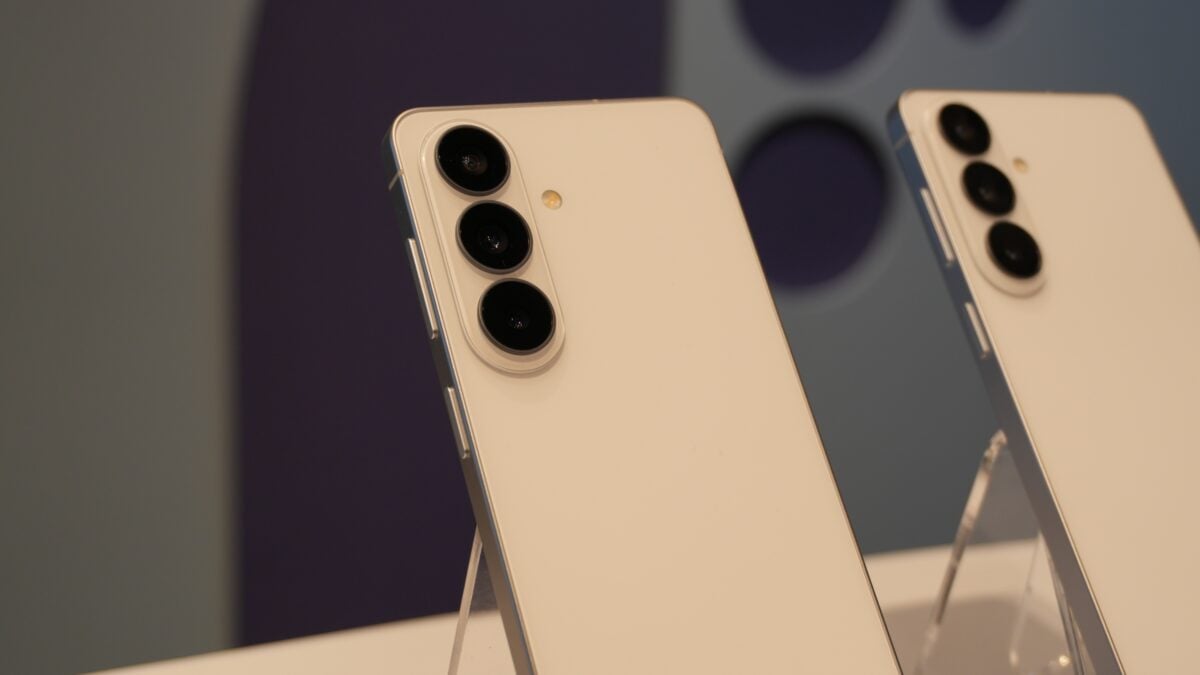
A New Era of Mobile Imaging Innovation
The South Korean tech giant recently confirmed that it is actively developing enhanced camera hardware. In a statement provided to industry analysts, a Samsung executive highlighted that while the company is pouring resources into research and development, they are being meticulous about the "right timing." The goal is to ensure that when these new sensors and lenses arrive, they are perfectly optimized with Samsung's AI-driven software suite.
Joshua Cho, Executive Vice President at Samsung, addressed the growing anticipation regarding Samsung Camera hardware. He noted that hardware improvement is a frequent topic of discussion and that "a lot of R&D has been underway." He emphasized that the challenge lies in finding the ideal combination of components to deliver the best possible user experience at a given time.
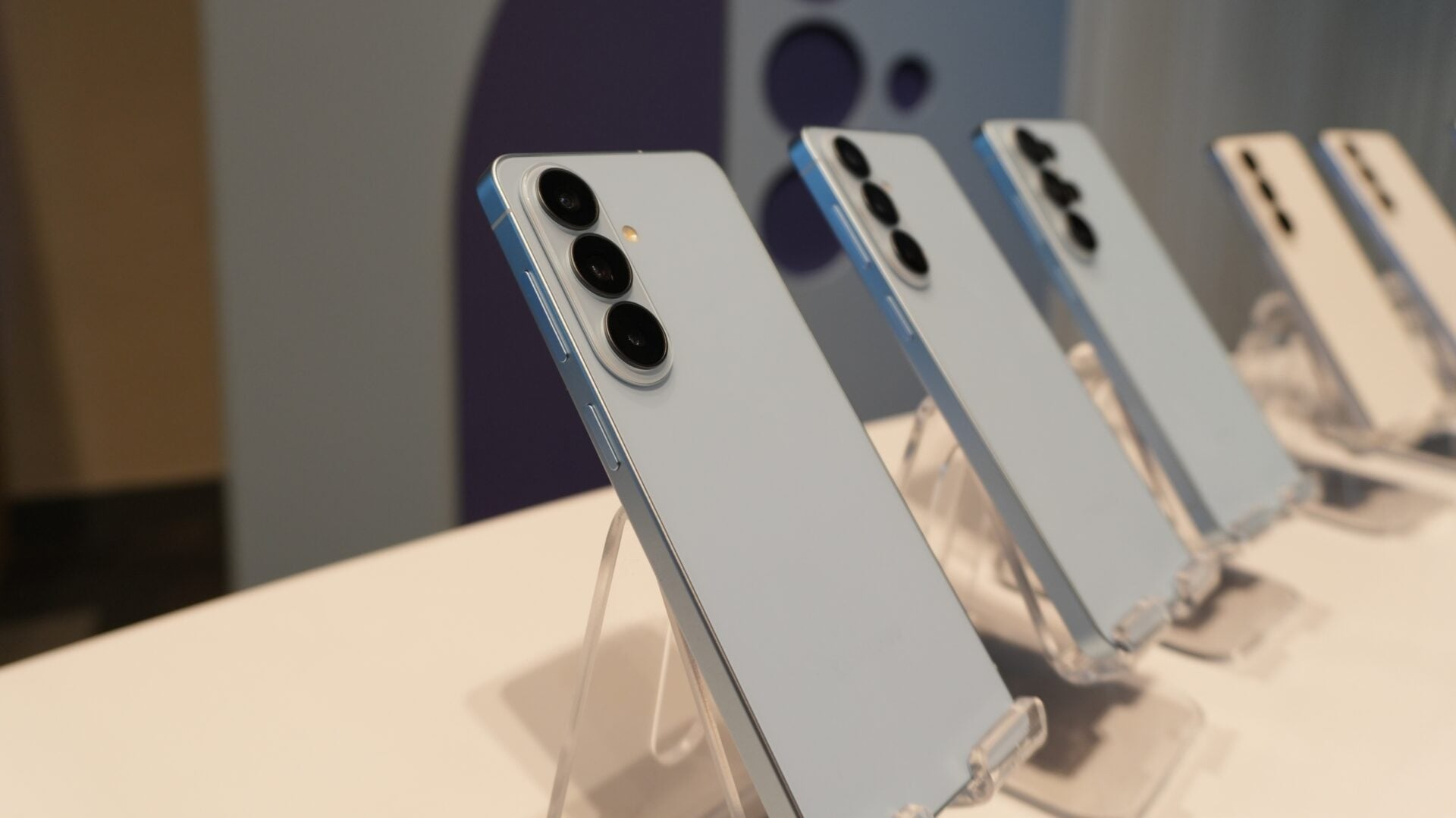
Anticipating the Galaxy S27 Ultra Breakthrough
While no specific release date was provided, industry insiders expect these substantial upgrades to debut as early as next year. This timeline coincides with rumors regarding the Galaxy S27 Ultra. The upcoming flagship is whispered to include bold new features such as variable aperture technology, which would allow the camera to physically adjust to different lighting conditions much like a professional DSLR.
Additionally, reports suggest a new 200MP primary sensor and a significantly upgraded ultrawide lens. Beyond photography, the front-facing camera might see its biggest change in years with the integration of 3D facial recognition, providing a more secure and seamless biometric experience for users.
While the Ultra models often steal the spotlight, there is a growing consensus that Samsung needs to bring these ISOCELL hardware improvements to the base, Plus, and FE models. These devices represent a massive portion of the market and have historically seen fewer year-over-year camera hardware changes compared to their "Ultra" counterparts.
Is Samsung planning to change the physical sensor size in future phones?
Yes, Samsung executives have confirmed that R&D is heavily focused on hardware improvements, which traditionally includes larger or more advanced sensors, though they are waiting for the ideal software-hardware synergy before release.
What is variable aperture technology in smartphones?
Variable aperture allows the camera lens to change its opening size. This helps in controlling the amount of light hitting the sensor and adjusting the depth of field, resulting in better low-light photos and more natural background blur.
Will the Galaxy S27 Ultra feature 3D facial recognition?
Current rumors strongly suggest that Samsung is working on a major front-facing camera upgrade for the Galaxy S27 Ultra that includes 3D facial recognition capabilities for enhanced security.
When can we expect these major camera hardware upgrades?
While not officially dated, industry experts and current development timelines point toward a significant hardware shift starting with the flagship series arriving in 2027.
🔎 In conclusion, Samsung’s confirmation of deep investment into camera hardware signals a pivotal shift for the Galaxy brand. By moving beyond incremental software tweaks and focusing on the fundamental physics of mobile imaging, the company is positioning itself to reclaim the photography crown. Whether these innovations arrive with the S27 or a later iteration, the message is clear: the best of Galaxy photography is still to come, and it will be worth the wait.
Post a Comment