
The Rise and Fall of 8K: Why Samsung is the Last Giant Standing in the Ultra-HD Market
The dream of ultra-high-definition home cinema seems to be hitting a significant roadblock as the industry pivots away from the 8K revolution. Currently, Samsung stands out as the only major global television manufacturer that continues to aggressively market and sell 8K displays. While the company pioneered the category with its first 8K launch in 2018, the market landscape has shifted dramatically. In 2020, Samsung offered a variety of three distinct 8K models; however, by 2026, that number has dwindled to just a single flagship offering, the Samsung QN990H. This contraction suggests that the massive consumer demand once predicted for these ultra-high-resolution screens has failed to materialize in a meaningful way.
- ✨ Samsung remains the only major tech giant committed to the 8K TV market for 2026.
- ✨ Industry leaders like LG, Sony, and TCL have officially exited the 8K Association and halted new production.
- ✨ Global sales have plummeted from nearly 400,000 units in 2022 to an expected 136,800 in 2025.
- ✨ The industry is shifting its focus toward ultra-large screens and improved 4K LED performance.
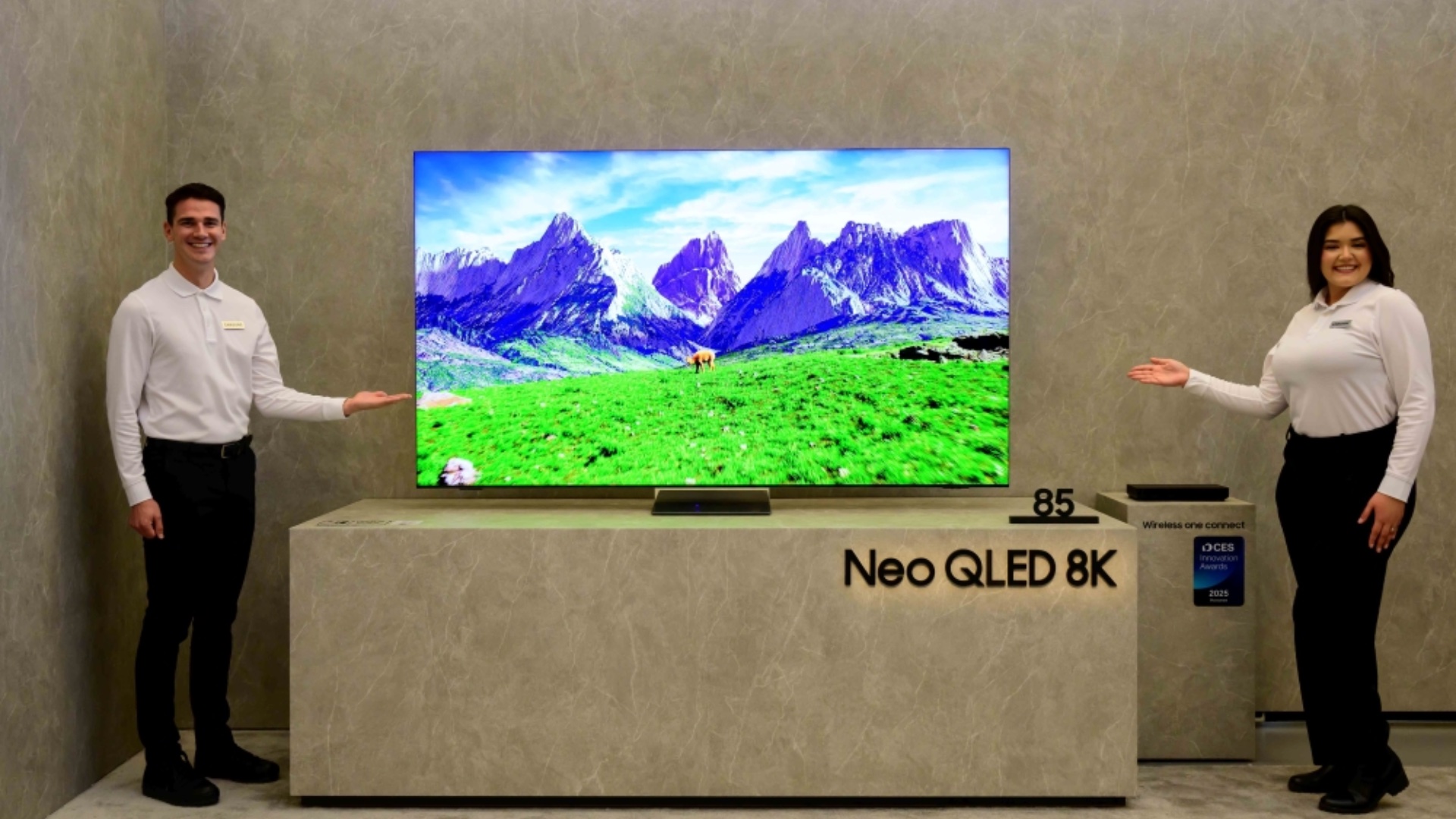
The Shrinking 8K Ecosystem and Industry Exodus
The 8K Association, an organization founded in 2019 to promote 8K technology, is seeing its influence wane. Originally backed by heavyweights like Samsung, TCL, Hisense, and AU Optronics, the association boasted 33 member companies at its peak in late 2022. Today, that number has been slashed to just 16. Within this remaining group, Samsung and Panasonic are the only two brands that actually manufacture televisions. Given that Panasonic holds only about 1% of the global market share, Samsung is effectively the lone titan carrying the 8K torch into 2026.
The supply chain reflects this decline. LG Display has ceased the production of 8K LCD and OLED panels entirely. Other major players, including Samsung Display, BOE, Innolux, and TCL CSOT, have followed suit, largely halting their 8K panel manufacturing lines. Currently, AU Optronics remains the sole panel manufacturer still producing 8K displays, leaving the future of the hardware ecosystem in a precarious position.

Failed Predictions and Market Realities
The history of 8K TVs is a classic case of over-optimism. In 2019, market analysts were confident that global sales would reach 3.72 million units by 2021. The reality was much bleaker. Sales peaked at a modest 386,800 units in 2022 and have been on a downward trend ever since, dropping to 214,400 in 2023. Forecasts for 2025 suggest a further decline to just 136,800 units globally. This lack of momentum explains why content creators and hardware brands are fleeing the segment.
Competition has largely abandoned the field. LG released its final 8K OLED in 2023, while Sony exited the space in 2025 after the Z9K model. In contrast, Samsung used CES 2026 to unveil the QN990H, featuring HDR10+ Advanced. While Samsung may continue to release a niche model annually to maintain its "tech leader" status, the segment is clearly shrinking.
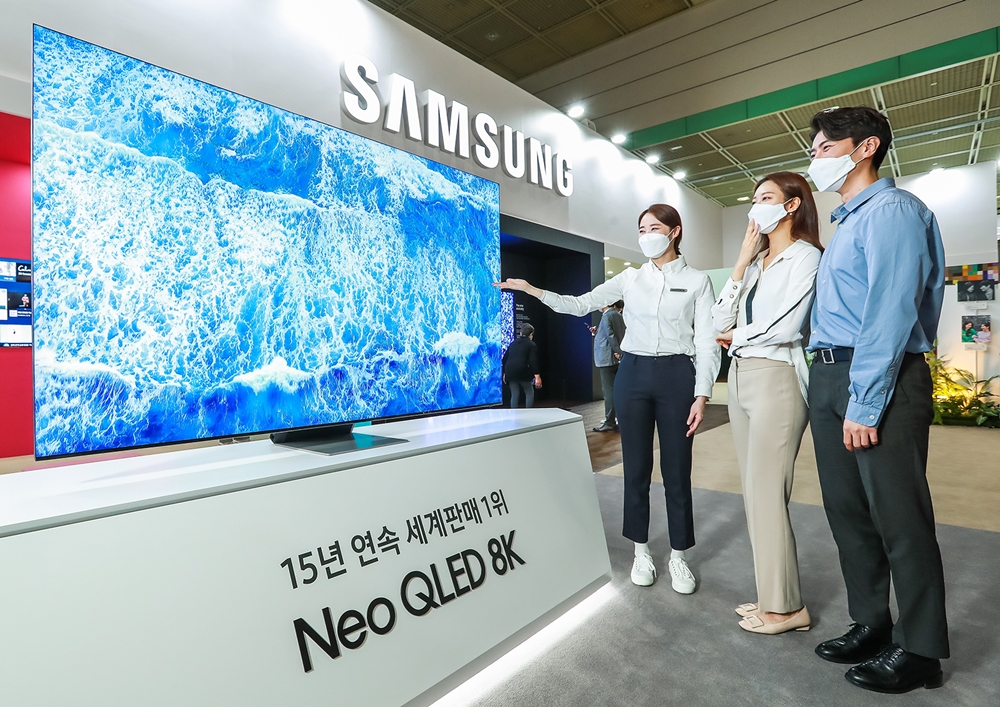
Why Did 8K Fail to Capture the Public's Imagination?
The transition from Full HD to 4K was revolutionary because the improvement was immediately visible to the average viewer. However, the move to 8K offers diminishing returns. For the human eye to perceive the increased sharpness of 8K, one must sit incredibly close to the screen—about one meter for a 50-inch set. In typical living room setups, where viewers sit several meters away, the difference between 4K and 8K is almost imperceptible.
Furthermore, other display factors like peak brightness, contrast ratios, and HDR performance have a much larger impact on "perceived" quality than raw pixel count. Adding to the struggle is the exorbitant cost of 8K hardware and a severe lack of native 8K content. Even as we move through 2026, 4K content is still the standard, making the push for 8K feel premature and unnecessary for most consumers.
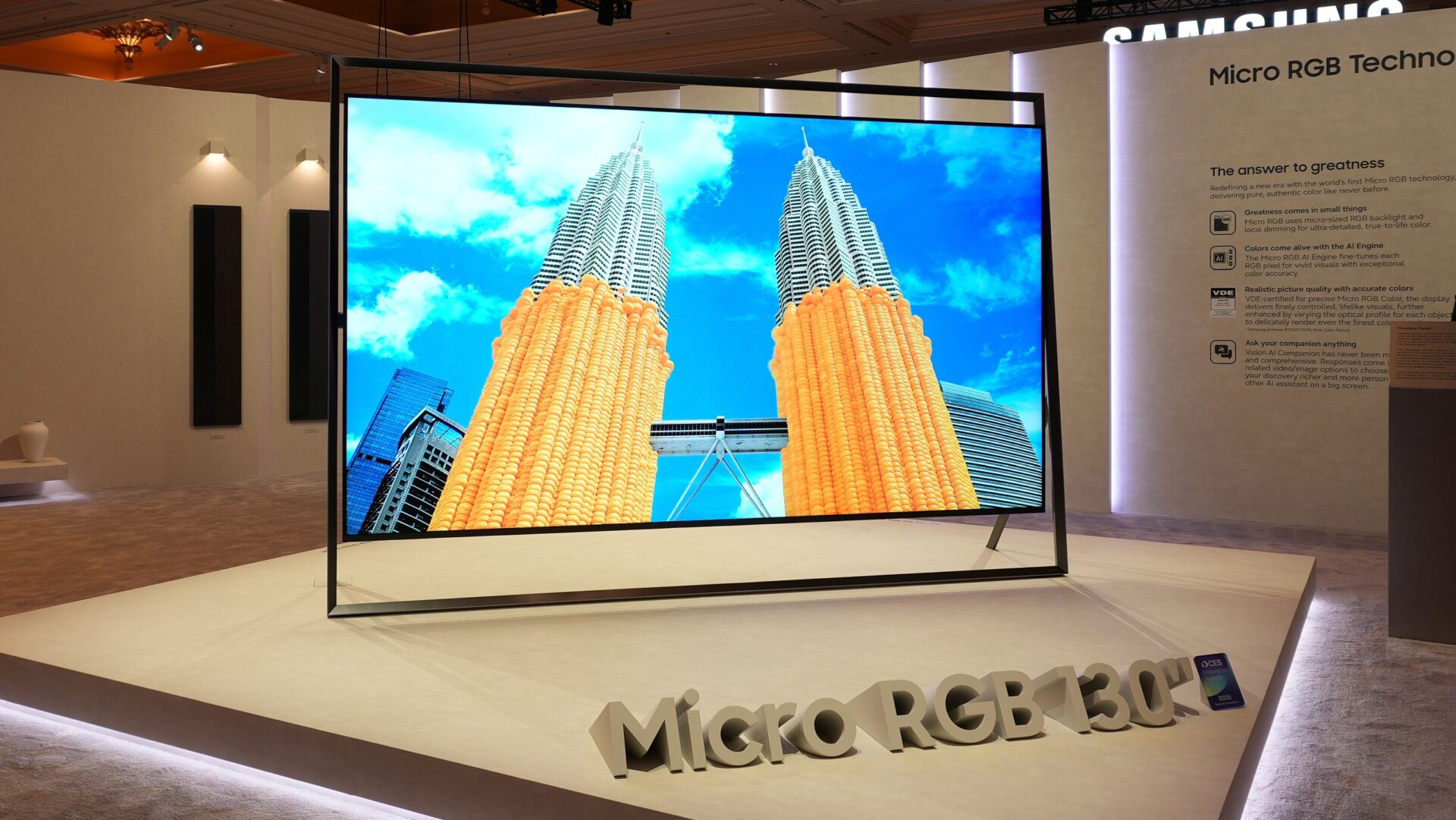
The New Frontier: Size Over Resolution
The industry has found a new focus: ultra-large TVs. Companies like Hisense, TCL, and Samsung are now prioritizing massive 98-inch and 115-inch displays. The goal is to improve the performance of LCD-based RGB LED-backlit sets, which offer a superior balance of massive screen real estate and high performance at a price point consumers are actually willing to pay. The era of chasing pixels seems to be over, replaced by the era of the home cinema wall.
Why is Samsung still the only brand selling 8K TVs?
Samsung maintains its 8K lineup primarily to preserve its position as a technological leader and to offer a "halo" product for the most demanding enthusiasts. While other brands have pivoted to 4K OLED and ultra-large formats, Samsung uses its 8K models to showcase its most advanced processing and AI upscaling capabilities.
Did LG and Sony stop making 8K TVs entirely?
Yes, major competitors like LG and Sony have effectively exited the 8K segment. LG released its last 8K models in 2024, and Sony stopped selling its flagship 8K Z9K in 2025. Both companies have shifted their focus toward high-end 4K OLED and Mini-LED technologies where consumer demand is significantly higher.
Is there any 8K content available to watch in 2026?
Native 8K content remains extremely scarce. While some YouTube creators and specialized nature documentaries are filmed in 8K, major streaming services like Netflix, Disney+, and Amazon Prime Video still prioritize 4K. Most 8K TV owners rely on AI-powered upscaling to enhance 4K content to fit the higher-resolution screen.
Can the human eye really see the difference between 4K and 8K?
Under normal home viewing conditions, the difference is negligible. Because of the density of pixels, the human eye can only distinguish the extra detail of 8K if the screen is massive (over 85 inches) or if the viewer is sitting very close to the display. For standard viewing distances, 4K provides all the detail the eye can process.
What is the current trend in the TV industry if not 8K?
The current trend is "Go Big or Go Home." Manufacturers are focusing on 98-inch to 115-inch screens and improving the brightness and contrast of 4K displays through Mini-LED and QD-OLED technologies. Consumers are choosing larger screens over higher resolutions, as the immersive impact of a 100-inch TV is much more noticeable than the jump to 8K.
🔎 In conclusion, the 8K experiment serves as a reminder that technological advancement must align with practical consumer benefits. While Samsung continues to push the boundaries of resolution with its flagship models, the rest of the industry has recognized that 4K currently represents the "sweet spot" for home entertainment. As we move forward, the battle for the living room will be fought with screen size and brightness rather than simply adding more pixels that the human eye can barely see. For now, 8K remains a prestigious, albeit lonely, niche in Samsung's vast portfolio.
Post a Comment