
Why the Galaxy S26 Ultra S Pen Struggles with Third-Party Qi2 Magnetic Cases
The launch of the Galaxy S26 Ultra was met with a mix of excitement and a lingering disappointment for those hoping for native Qi2 magnetic integration. While many expected Samsung to finally embed magnets directly into the chassis to support the new wireless charging standard, the official unveiling confirmed that the feature remains absent. Consequently, users looking for a "MagSafe-like" experience must rely on external cases, but there is a significant catch involving the iconic S Pen.
- ✨ The Galaxy S26 Ultra does not feature integrated Qi2 magnets in its body.
- ✨ Third-party magnetic cases trigger an automatic system warning on the device.
- ✨ Magnetic interference can cause "dead zones" or signal loss for the S Pen.
- ✨ Samsung recommends removing magnetic accessories if writing issues occur.
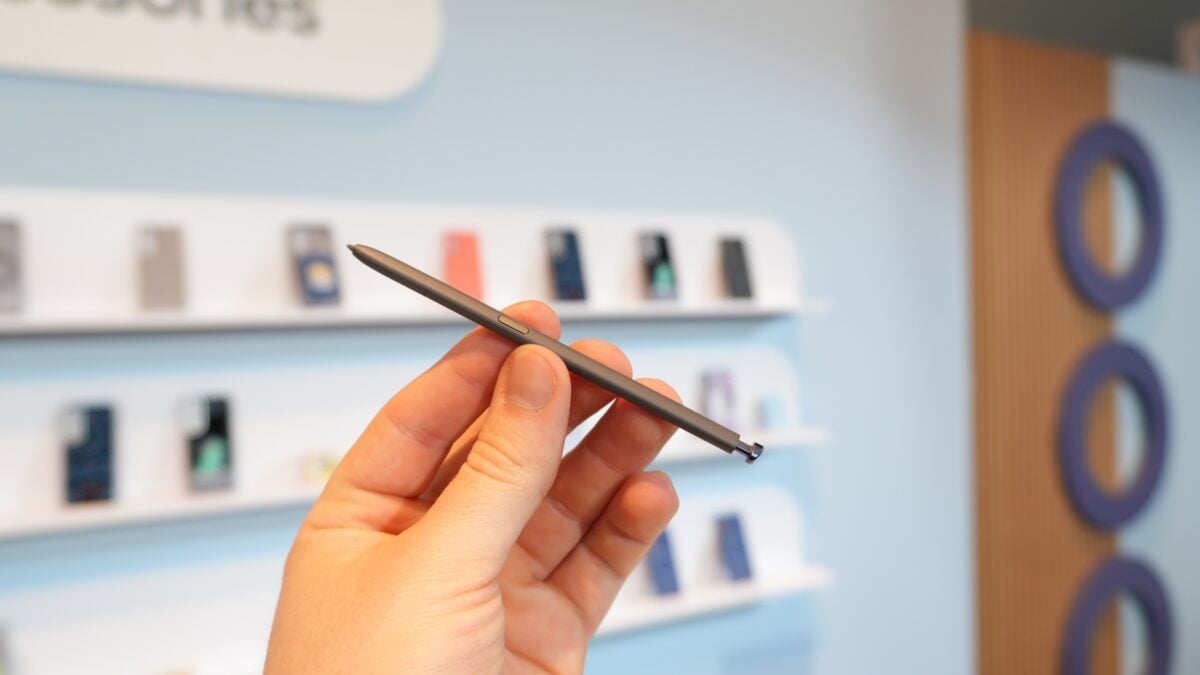
Magnetic Interference: A Warning for S Pen Users
For years, the digitizer technology used by the S Pen has been sensitive to external magnetic fields. This issue has come to a head with the Galaxy S26 Ultra. Industry insiders have discovered that the device is now smart enough to detect when a third-party Qi2-compatible magnetic case is attached. When such an accessory is detected, the phone proactively issues a notification to caution the user.
The pop-up notification explicitly states that magnets in accessories "can interfere with your S Pen's signal." It further advises that if you notice any connection drops or difficulty writing on specific parts of the screen, the best course of action is to remove the accessory immediately. This magnetic interference typically creates "dead zones" where the screen fails to register the stylus tip, effectively rendering the S Pen useless in those areas.
Official vs. Third-Party Accessories

While third-party manufacturers are rushing to provide Qi2 functionality through cases, Samsung is pushing its own ecosystem. The company offers a variety of both magnetic and non-magnetic official cases. It is widely assumed that Samsung’s own magnetic accessories are calibrated to minimize interference, though the physics of electromagnetic digitizers suggests that even official magnets could pose slight challenges under certain conditions.
By implementing this warning, Samsung is likely attempting to manage user expectations and reduce support requests regarding "faulty" screens that are actually just reacting to poorly shielded third-party magnets. For now, true Qi2 support without the need for specialized cases remains out of reach, leaving fans to hope that Samsung finally solves this engineering hurdle in next year’s iteration.
notification on S26 Ultra when using a third-party case with magnets pic.twitter.com/XuoLBg1EaK
— Max Jambor (@MaxJmb) February 26, 2026
Does the Galaxy S26 Ultra have built-in Qi2 magnets?
No, the Galaxy S26 Ultra does not have integrated Qi2 magnets in the phone's hardware. Users must use a magnetic case to achieve Qi2 or MagSafe-style functionality.
Why does the S Pen malfunction when using a magnetic case?
The S Pen uses an electromagnetic resonance (EMR) field to communicate with the screen. Strong magnets found in third-party Qi2 cases can disrupt this field, leading to skipped lines or areas where the stylus doesn't work.
Will Samsung's official magnetic cases also cause interference?
Samsung designs its official magnetic cases to be compatible with its hardware, but even then, the system may provide warnings. However, official cases generally undergo more rigorous testing to ensure S Pen functionality is preserved.
Should I avoid third-party Qi2 cases for the S26 Ultra?
If you rely heavily on the S Pen for drawing or note-taking, you should be cautious. Check reviews specifically mentioning S Pen interference before purchasing a third-party magnetic case.
🔎 While the dream of a seamless, built-in magnetic experience for the Galaxy S26 Ultra has been deferred, the inclusion of a proactive warning system shows that Samsung is prioritizing the integrity of the S Pen experience. For power users who view the stylus as an essential tool, the trade-off for magnetic convenience may require sticking to official accessories or carefully vetted third-party options to avoid frustrating dead zones on their premium displays.
Post a Comment