
Why Samsung is Investing Millions to Ensure Apple’s Foldable iPhone Succeeds
In a move that highlights the complex "frenemy" relationship between tech giants, Samsung Display is reportedly making significant investments to support the production of the first foldable iPhone. While Samsung Electronics competes directly with Apple in the smartphone market, its display division sees the upcoming Apple device as a massive revenue opportunity rather than a threat to its own Galaxy Z series.
- ✨ Samsung Display is set to be the primary supplier for Apple's inaugural foldable screen technology.
- ✨ Major facility upgrades are underway at the A4 factory in Asan to meet Apple's strict quality standards.
- ✨ Mass production of these specialized OLED panels is expected to begin as early as June this year.
- ✨ The investment aims to prepare for a massive surge in foldable device demand projected for 2027.
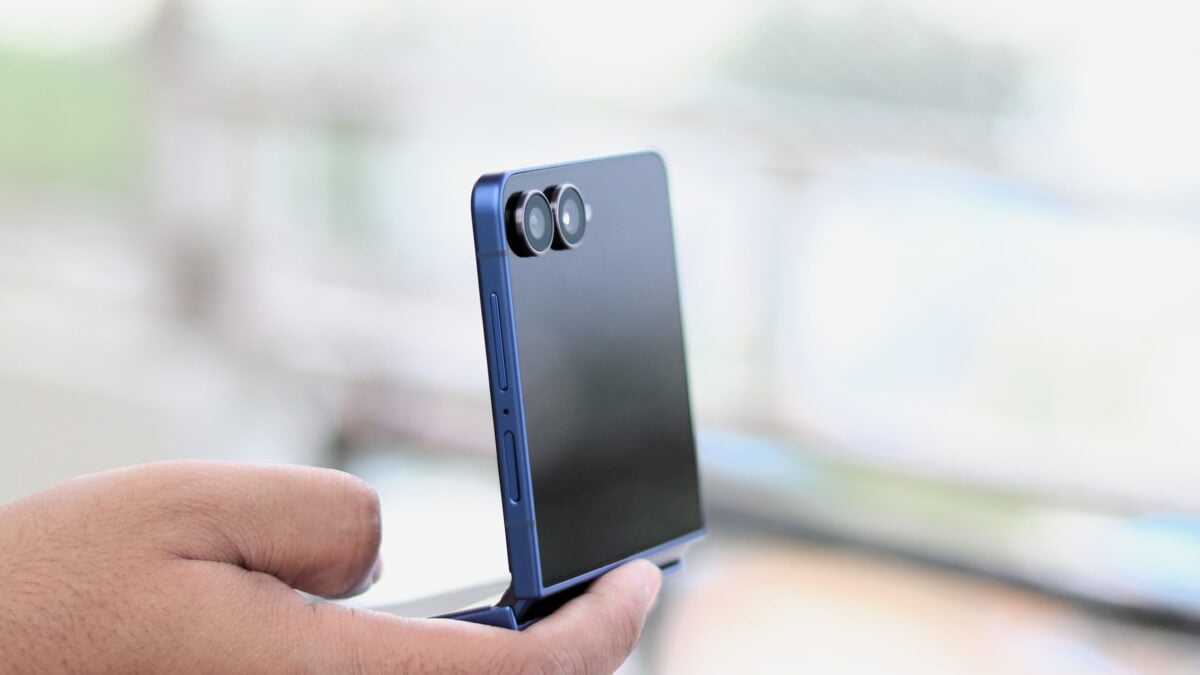
As the anticipated sole supplier of OLED panels for Apple's first foray into the foldable market, Samsung Display is prioritizing production capacity over brand rivalry. The company is betting that Apple's entry into the segment will expand the total market for foldables, ultimately benefiting Samsung's manufacturing bottom line.
Strategic Facility Upgrades at the A4 Factory
Reports emerging from South Korea indicate that Samsung Display is funneling capital into its A4 factory located in Asan, Chungcheongnam-do. This investment is specifically tailored to upgrade manufacturing lines to produce OLED panels that align with Apple’s notoriously rigorous technical requirements. The upgrades focus on enhancing backplane capabilities, particularly thin-film transistors (TFT), which are crucial for the durability and clarity of foldable screens.
These efforts are not just for the immediate launch. Samsung is looking toward 2027, anticipating a significant "super-cycle" where the variety and volume of Apple’s foldable products—including potential foldable iPads or MacBooks—are expected to skyrocket. By securing the supply chain now, Samsung ensures it remains the indispensable partner for Apple’s future innovations.
Competition and Market Dynamics
While Samsung Display prepares for mass production starting in June, the industry is watching closely to see how this affects the Galaxy Z Fold and Galaxy Z Flip lineups. The first foldable iPhone is expected to compete directly with the larger Z Fold form factor. However, recent rumors suggest Apple is also exploring a "clamshell" design, which would challenge the Z Flip's dominance in the compact foldable market.
Despite the potential competition, the financial logic for Samsung is sound. The profit margins on high-end OLED components often exceed those of the finished smartphones themselves. By helping Apple sell millions of foldable iPhones, Samsung effectively wins regardless of which brand the consumer chooses.
Why is Samsung helping its biggest rival, Apple?
Samsung Display operates as a separate business entity from Samsung Electronics. Its goal is to maximize profit by supplying the best screens to any manufacturer. Since Apple sells devices in massive volumes, Samsung Display stands to earn billions in revenue by being their primary screen supplier.
When will the foldable iPhone actually be released?
While Apple has not officially announced a date, supply chain activity suggests that mass production of the screens will begin in mid-2026, pointing toward a potential product reveal in the second half of that year or early 2027.
Will the foldable iPhone screen be better than the Galaxy Z Fold?
Apple is known for demanding very specific customizations regarding brightness, color accuracy, and crease visibility. While the core technology comes from Samsung, the final specifications will be unique to Apple's standards, potentially pushing the entire industry toward better durability.
Is Samsung the only company making these screens?
Currently, Samsung Display is the frontrunner due to its advanced manufacturing maturity. While competitors like LG Display or BOE may eventually join the supply chain, Samsung is currently the only one capable of meeting Apple's massive volume and quality requirements for the initial launch.
🔎 The partnership between Samsung and Apple continues to be one of the most fascinating dynamics in the tech world. By investing heavily in the infrastructure needed for the foldable iPhone, Samsung is essentially guaranteeing itself a seat at the table for the next era of mobile technology. Whether you prefer iOS or Android, the hardware under the hood proves that these two rivals are more connected than most users realize.
Post a Comment