
How Samsung’s Exynos 2600 AI Computer Vision Revolutionizes Galaxy S26 Cameras
The smartphone industry is on the verge of a massive hardware leap with the arrival of the Exynos 2600, the world’s first 2nm mobile processor. Set to power the upcoming Galaxy S26 and Galaxy S26+, this chip isn't just about raw speed; it introduces a groundbreaking AI-based computer vision technology designed to fundamentally change how mobile photography and videography work. By integrating advanced intelligence directly into the camera pipeline, Samsung aims to deliver professional-grade results with unprecedented efficiency.
- ✨ Features the world's first 2nm architecture for superior performance.
- ✨ Introduces the Visual Perception System (VPS) for AI-driven imaging.
- ✨ Achieves a 50% boost in power efficiency for camera operations.
- ✨ Advanced blink detection and "Content Aware" facial processing.
- ✨ Optimized for real-time semantic segmentation at 4K 60fps.
The Evolution from ISP to Visual Perception System (VPS)
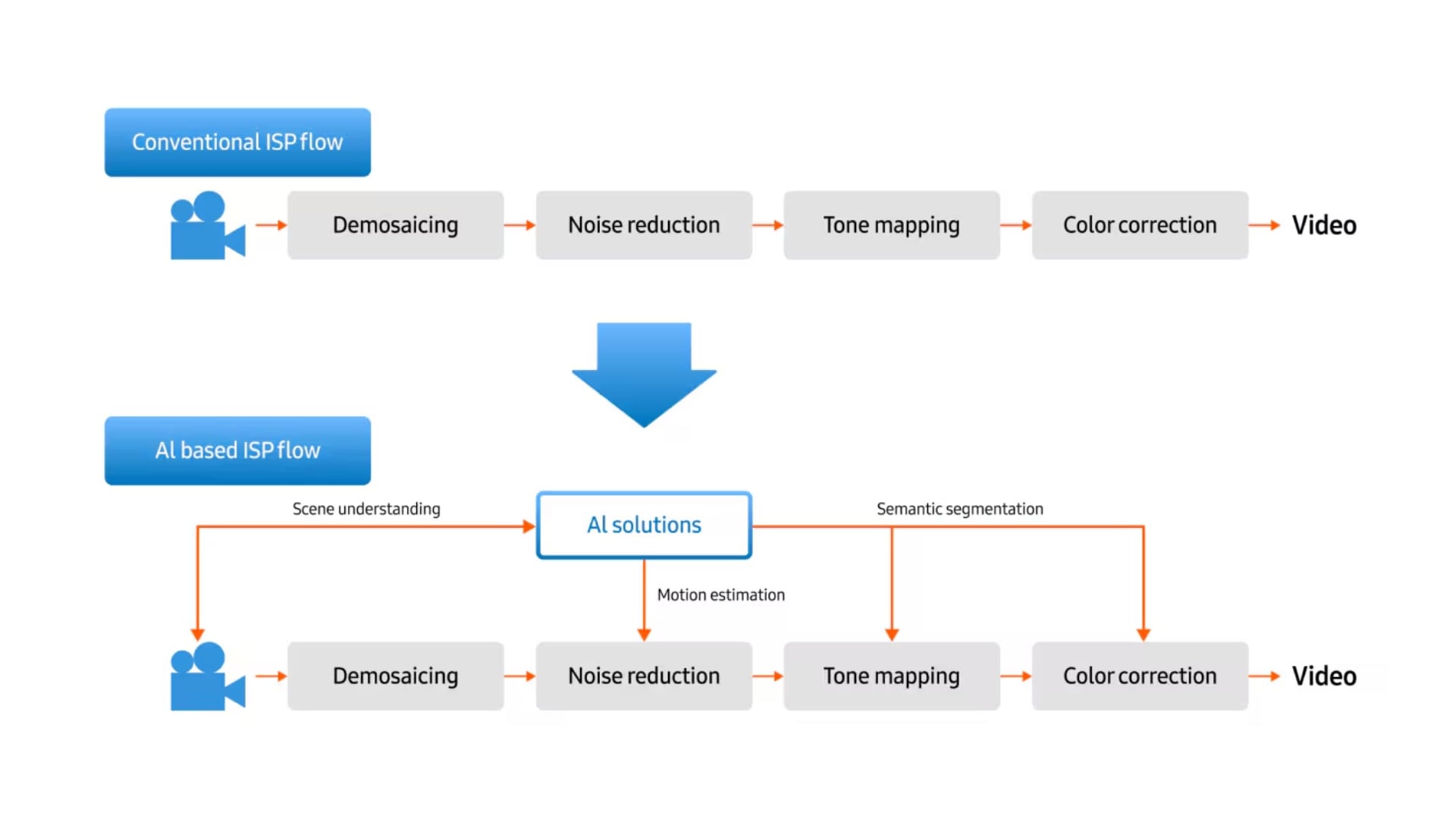
For years, Samsung smartphones have relied on a traditional Image Signal Processor (ISP) to handle the heavy lifting of photography. This component was responsible for processing raw data from the sensor—managing noise reduction, color correction, and tone mapping. However, the Exynos 2600 breaks this tradition by introducing the Visual Perception System (VPS). This is a dedicated AI computer vision subsystem that works alongside the ISP to analyze scenes in real-time, even before you tap the shutter button.
The VPS acts as the "brain" of the camera. It identifies subjects, understands the context of the frame, and manages motion analysis simultaneously. This parallel processing ensures that every frame in a video or every captured photo is optimized based on its specific content, leading to a significant reduction in noise and a boost in clarity.
Smart Multi-Frame Processing and Semantic Segmentation
Modern smartphone photography relies heavily on combining multiple frames to create a single high-quality image. The VPS enhances this by utilizing deep learning algorithms to estimate both global and local motion. Whether it's your hand shaking slightly or a subject moving in the background, the system intelligently aligns frames to eliminate blur. By using semantic segmentation, the chip can distinguish between the foreground, background, and specific objects, applying different optimization settings to each part of the image for a more natural look.
Advanced Facial Recognition and Blink Prevention
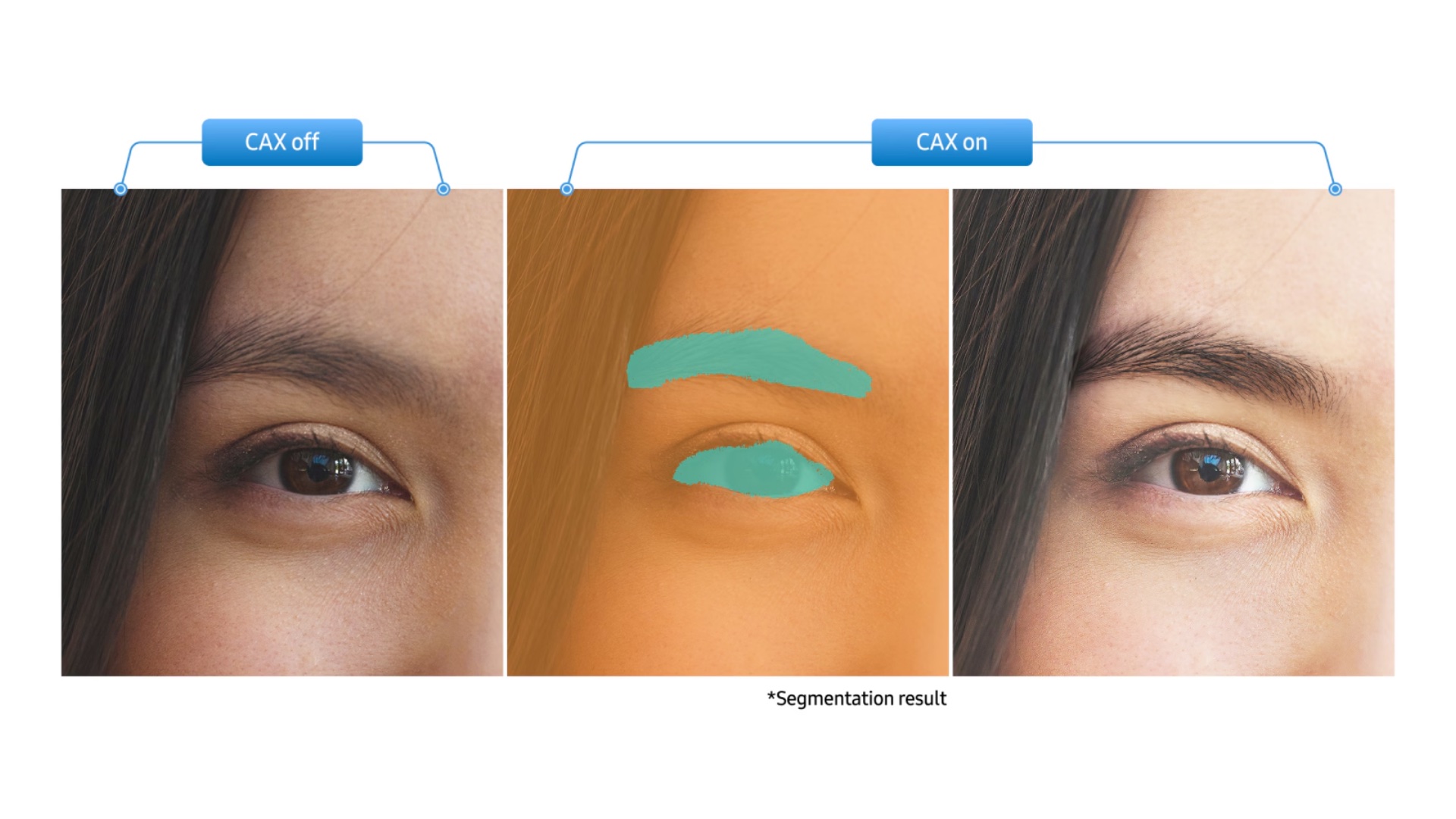
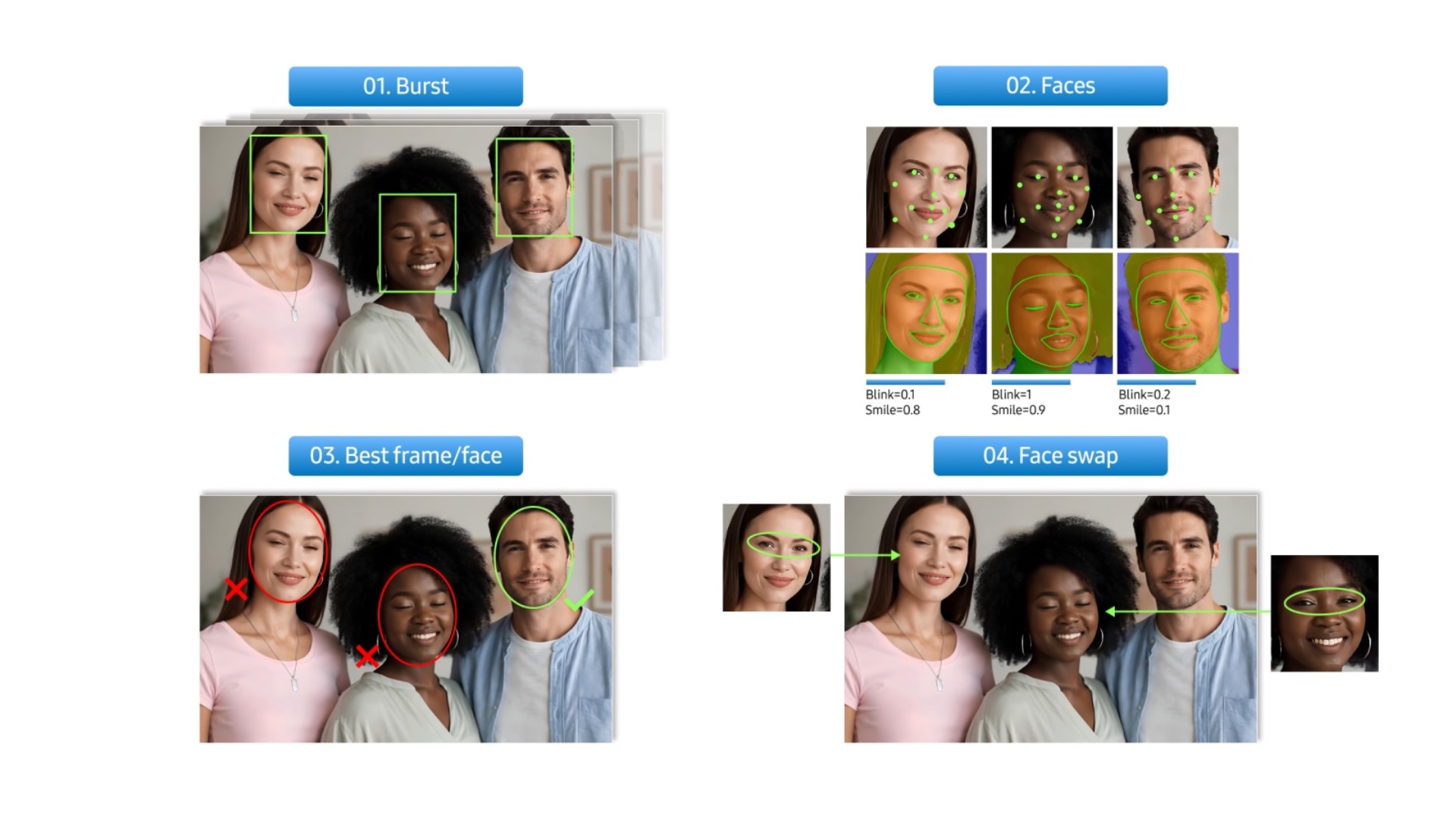
One of the most impressive features of the Galaxy S26 camera system is "Content Aware Preview, Video, and Capture" (CAX). This technology allows the VPS to process different parts of a human face independently. Fine details like hair and eyebrows are sharpened separately from the skin to avoid the "plastic" look often associated with aggressive beauty filters. Furthermore, the system can automatically detect if someone is blinking and select the perfect frame from a burst, ensuring that group photos are never ruined by closed eyes.
Unmatched Efficiency: 50% Better Power Management
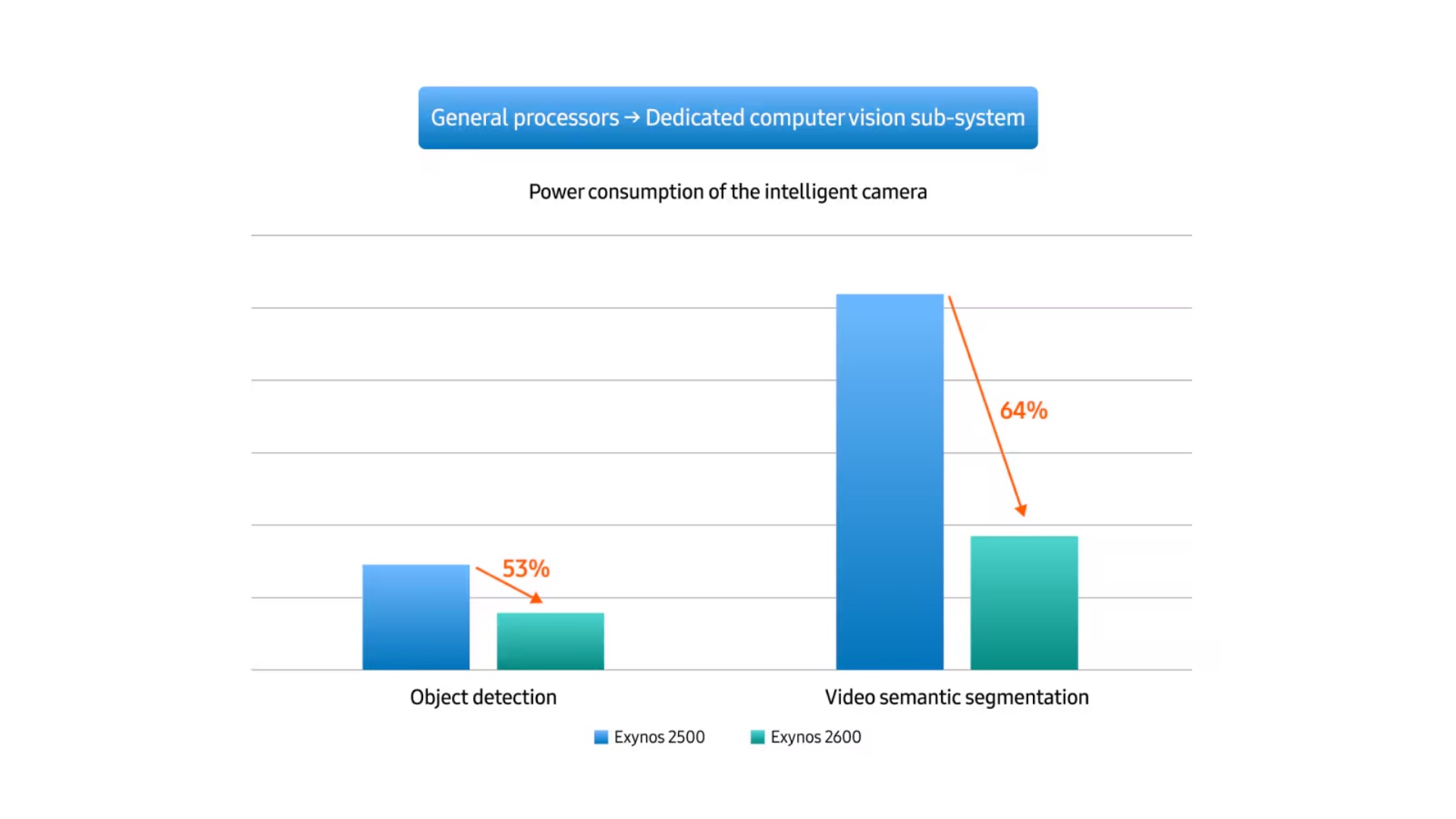
Typically, intensive AI processing drains battery life because it forces the CPU and GPU to work at high clock speeds. Samsung has solved this by offloading these tasks to the dedicated VPS subsystem. This specialized hardware handles face detection and real-time segmentation with ease, even at ultra-high resolutions and 60 frames per second. Samsung claims this dedicated approach makes the image processing pipeline 50% more power-efficient than the previous Exynos 2500, allowing users to record more video and take more photos without worrying about their battery.
Ready to experience the future of mobile photography? Secure your device today!
What exactly is the Visual Perception System (VPS) in the Exynos 2600?
The VPS is a specialized AI-driven computer vision subsystem that works alongside the camera's ISP. It analyzes the scene in real-time to identify subjects, objects, and motion, allowing for smarter image processing and better final results compared to traditional processors.
How does the Galaxy S26 improve battery life during camera use?
By offloading complex AI tasks like face detection and motion estimation to the dedicated VPS instead of using the general CPU or GPU, the Exynos 2600 reduces power consumption by up to 50% during camera operations.
Can the new camera technology fix photos where someone is blinking?
Yes! The VPS continuously monitors facial expressions from the moment you open the preview. It can automatically select and combine frames where no one is blinking, ensuring perfect group shots even if someone closes their eyes at the wrong moment.
What is Content Aware Preview (CAX)?
CAX is a feature that allows the processor to treat different parts of a face—such as eyes, hair, and skin—as separate elements. This ensures that fine details are preserved while maintaining a natural skin tone, avoiding the blurry look of standard filters.
Does this technology affect video recording as well?
Absolutely. The AI-driven pipeline works in real-time even at 4K 60fps, providing semantic segmentation and motion reduction for videos, which results in smoother, more vibrant, and professional-looking footage.
🔎 In conclusion, the Exynos 2600 represents a massive leap forward for Samsung’s mobile ecosystem. By moving beyond traditional image processing and embracing a dedicated Visual Perception System, the Galaxy S26 series is set to offer camera performance that is not only smarter and more accurate but also significantly more efficient. As AI continues to redefine what is possible in the palm of our hands, Samsung’s 2nm breakthrough ensures that they remain at the forefront of the smartphone revolution.
Post a Comment