
Is Samsung Avoiding SiC Batteries? The Truth Behind the Silicon-Carbon Conspiracy
Vocal smartphone enthusiasts on social media platforms frequently choose the most unusual topics to champion. While it is not for us to judge their passion, a significant debate has emerged regarding Samsung Electronics and the adoption of silicon-carbon (SiC) battery technology. This discussion highlights a growing divide between users demanding cutting-edge hardware and a manufacturer prioritizing long-term stability and safety.
- ✨ Silicon-carbon batteries offer higher energy density but face significant physical stability challenges.
- ✨ Samsung’s cautious approach is deeply rooted in its commitment to user safety and long-term device durability.
- ✨ International shipping regulations and battery cell capacity limits play a hidden role in hardware choices.
- ✨ The industry remains divided between aggressive risk-takers and established brands focused on calculated innovation.
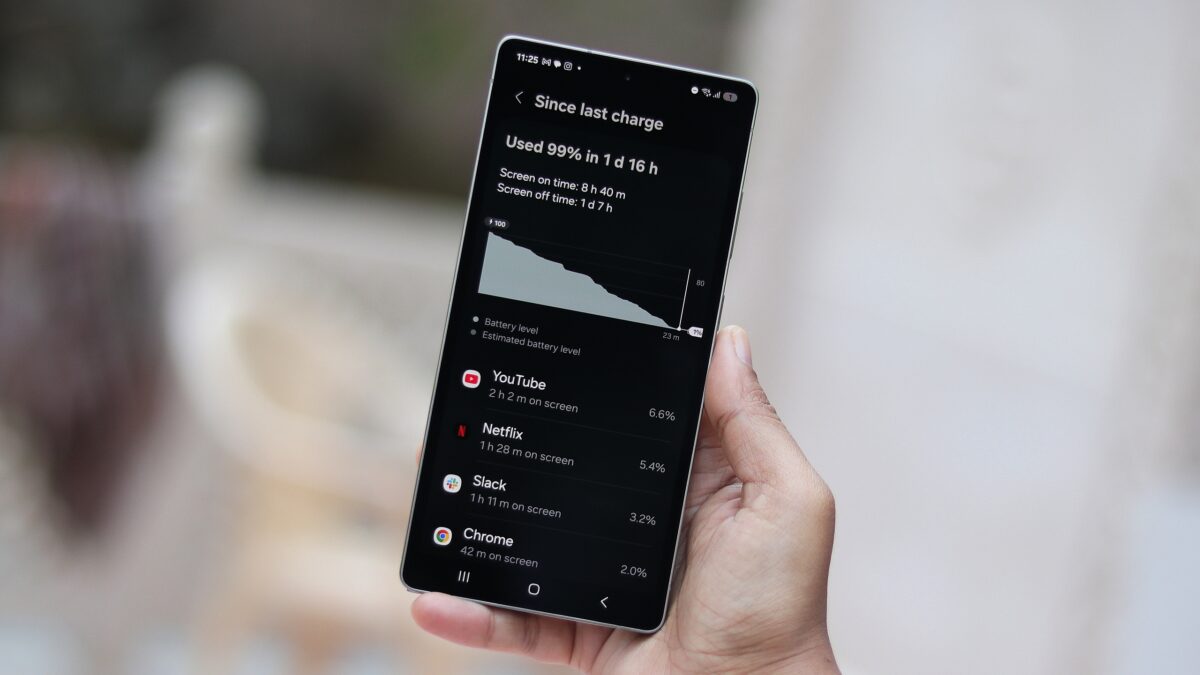
The debate centers on a fundamental question: If silicon-carbon batteries promise significantly higher energy density and longer life, why haven't industry giants like Samsung adopted them while several Chinese manufacturers already have? The answers provided by industry leaders are readily available, yet many critics continue to challenge the official narrative, suspecting that there is more to the story than meets the eye.
Some critics suggest a conspiracy, implying that Samsung and other major OEMs are either unwilling to invest or simply incapable of integrating SiC technology. However, without degrees in chemical or electrical engineering, it is difficult for the average consumer to verify these claims. After a deep dive into the technology and discussions at MWC, the explanation from industry experts appears far more grounded in reality than social media theories.
The Allure of Silicon-Carbon Technology
Fundamentally, smartphone users are always looking for better battery life. We have become accustomed to the daily charging ritual, but the promise of a battery that packs more power into the same physical footprint is undeniably attractive. Silicon-carbon batteries theoretically solve this by offering higher density than traditional Lithium-Ion cells, allowing for more energy storage in smaller spaces.
While a few Chinese OEMs have embraced this tech, Samsung Electronics and Apple have remained hesitant. To understand why, we must look at what a SiC battery actually is. In simple terms, it is still a Lithium-Ion battery, but it utilizes a silicon anode instead of the standard graphite version.
The Physics of Battery Failure
Research into silicon anodes dates back to 1976. The primary reason graphite was chosen over silicon decades ago was due to "swelling." Silicon anodes expand and contract significantly during charge and discharge cycles, leading to rapid degradation and potential structural failure. Despite decades of research, this physical limitation hasn't been entirely eliminated.
As a compromise, companies like Tesla have started Click here to view Tesla's Battery Research, which involves infusing graphite anodes with a small percentage of silicon (around 5%). This strikes a balance between increased capacity and safety. Completely replacing graphite with silicon remains a high-risk move that can lead to catastrophic failure if not managed perfectly.
Some manufacturers are more willing to gamble on this risk-reward balance. Samsung, however, operates under the shadow of the Note 7 incident, making their safety standards significantly more stringent than many of their competitors. Furthermore, with Samsung now promising seven years of OS updates, they require a battery that won't degrade significantly within that timeframe.
Regulatory Hurdles and Shipping Constraints
There is also a logistical side to the battery size limit. International regulations often classify single-cell batteries exceeding 5,000mAh as "dangerous goods." This classification complicates global shipping and increases costs. This is a primary reason why flagship devices from Google, Apple, and Samsung rarely exceed this specific capacity threshold for the global market.
While this explains the capacity cap, it doesn't fully explain the refusal to switch to SiC. Samsung maintains that while progress is being made, the technology hasn't reached a "comfortably safe" level for their global standards. For a company that mass-produces millions of devices across every continent, a single battery flaw could be devastating.
Calculated Innovation vs. Pure Risk
Does this mean Samsung has lost its edge? Hardly. The company was the first to take a massive risk on foldable display technology and has experimented with under-display cameras for years. Currently, they are the only major OEM utilizing Privacy Display technology. These are calculated risks where the failure mode doesn't involve a fire hazard.
Samsung is reportedly continuing its work on SiC technology, but they are doing so "slowly and safely." The market is currently split: some brands are bold risk-takers, while others, like Samsung, prefer to be safe than sorry. For a global manufacturer of this caliber, a battery that deteriorates too quickly or poses a safety risk is simply not an option at this stage.
What exactly is a silicon-carbon battery?
A silicon-carbon (SiC) battery is a variation of the Lithium-Ion battery that uses silicon in the anode instead of graphite. This allows for much higher energy density, meaning more power can be stored in a smaller physical size.
Why isn't Samsung using SiC batteries yet?
Samsung prioritizes safety and longevity. Silicon anodes tend to swell and degrade faster than graphite. Given Samsung's history with the Note 7 and their new 7-year software support promise, they need batteries that are exceptionally stable over long periods.
Are SiC batteries dangerous?
They are not inherently "dangerous," but they are more volatile than traditional batteries. If the swelling caused by the silicon isn't perfectly managed, it can lead to internal short circuits or battery failure.
Do any other phones use this technology?
Yes, several Chinese smartphone manufacturers have begun using silicon-carbon batteries to achieve higher capacities (like 5,500mAh or 6,000mAh) in thin devices.
Will Samsung ever adopt silicon-carbon batteries?
Samsung is currently researching the technology. It is expected that once they find a way to meet their strict safety and durability standards, they will eventually transition to SiC or a hybrid silicon-graphite solution.
🔎 In conclusion, while the allure of advanced battery technology is strong, the reality of global manufacturing requires a delicate balance between innovation and reliability. Samsung’s hesitation isn't a sign of stagnation but rather a calculated decision to ensure that their devices remain safe and functional for the years of service they promise. As the technology matures, we will likely see a safe transition to these high-density cells, proving that in the world of mobile tech, being first isn't always as important as being right.
Post a Comment