
Is Samsung’s TV Dominance a Threat? Why Major Streaming Services Are Demanding New Regulations
For two decades, Samsung has reigned supreme as the world’s leading television brand. This unprecedented market dominance is a testament to the company's commitment to innovation, cutting-edge display technology, and user satisfaction. However, this level of success has also placed a target on its back. Recently, a powerful coalition of broadcasters and video streaming services has stepped forward to allege that Samsung, along with other major smart TV platform owners, exerts an unhealthy level of control over the global television ecosystem.
- ✨ Major European broadcasters are calling for stricter EU regulations on smart TV operating systems.
- ✨ Samsung’s Tizen OS, Google TV, and Amazon Fire TV currently control roughly 60% of the market.
- ✨ Critics argue that these "gatekeepers" could unfairly prioritize their own streaming services.
- ✨ The coalition seeks to include TV platforms under the Digital Markets Act (DMA) to ensure fair competition.
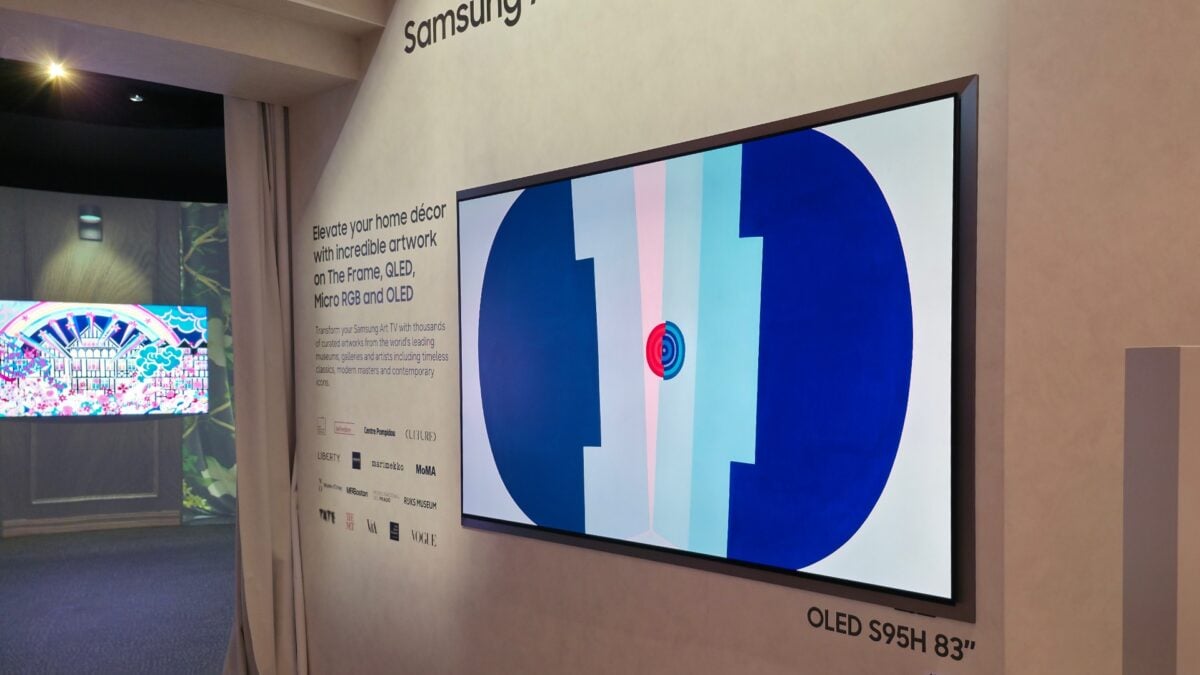
The Rise of the TV Gatekeepers
A coalition of prominent European broadcasters—including giants like Disney, ITV, NBCUniversal, Paramount, and Warner Bros. Discovery—has officially raised concerns regarding the power of modern Samsung Smart TV platforms. This group, operating under the name Association of Commercial Television, argues that platforms like Samsung’s Tizen OS, Amazon’s Fire TV, and Google TV have become too influential. They are urging the European Union (EU) to expand the scope of the Digital Markets Act (DMA) to include these television operating systems.
The full list of broadcasters involved in this push for regulation includes:
- Canal+
- Disney
- ITV
- NBCUniversal
- Paramount+
- RTL
- Sky
- TF1 Groupe
- Warner Bros. Discovery
Understanding the Digital Markets Act (DMA)
The DMA is designed to identify large tech companies with significant market influence, labeling them as "gatekeepers." Currently, companies like Alphabet (Google), Amazon, Apple, Meta, and Microsoft are under this designation. The act establishes strict rules to prevent these entities from abusing their market dominance or stifling smaller competitors. Broadcasters believe that because Tizen OS and similar platforms dictate what content users see first, they should be held to the same standards.
Currently, the market share for these platforms is substantial. Samsung’s Tizen OS leads with 24%, followed closely by Android TV at 23%, and Amazon’s Fire TV OS at 13%. Together, these three platforms control approximately 60% of the entire television market. This concentration of power has sparked fears that platform owners might manipulate user behavior to favor their own built-in services.
Real-World Consequences of Platform Disputes
These concerns are not merely hypothetical. The industry recently witnessed a high-profile dispute between Disney and YouTube TV that resulted in a three-week blackout for many users in the United States. Such conflicts highlight how disagreements between platform owners and content providers can leave the consumer caught in the middle, losing access to services they pay for.
Furthermore, Samsung, Google, and Amazon all operate their own streaming services—Samsung TV Plus, YouTube TV, and Prime Video, respectively. Because these services come pre-installed on Samsung Visual Display products and other devices, broadcasters fear that independent channels are being pushed to the periphery, making it harder for viewers to discover diverse content.
Why are broadcasters specifically targeting Samsung’s Tizen OS?
Broadcasters are concerned because Tizen OS holds the largest individual market share at 24%. As the primary interface for millions of users, the platform has the power to prioritize Samsung’s own "Samsung TV Plus" service over third-party apps, potentially limiting competition and viewer choice.
What is the goal of the Association of Commercial Television?
The coalition wants the European Union to designate smart TV platforms as "gatekeepers" under the Digital Markets Act. This would force companies like Samsung to ensure that third-party streaming services have fair access and visibility on their hardware without being disadvantaged by built-in apps.
Does this affect users outside of Europe?
While the current legal push is centered in the EU, regulations like the DMA often set a global precedent. If Samsung is forced to change how Tizen OS operates in Europe to be more "open," those changes frequently roll out to other regions to maintain a consistent software experience.
How do platform conflicts impact the average viewer?
When platform owners and content providers disagree on fees or data sharing, it can lead to "blackouts" where specific apps or channels disappear from the TV menu. Additionally, it can lead to a more cluttered interface where users are constantly nudged toward the manufacturer's own paid services.
🔎 As the line between hardware manufacturers and content distributors continues to blur, the call for regulation becomes increasingly loud. Whether the EU will officially designate these TV platforms as gatekeepers remains to be seen, but the outcome will undoubtedly shape the future of how we consume digital media in our living rooms. For now, Samsung continues to lead the pack, balancing its role as a hardware innovator with the growing responsibilities of being a major content ecosystem provider.
Post a Comment