
Massive Growth Ahead: Samsung’s HBM Revenue Set to Triple by Early 2026
The global landscape for semiconductor technology is undergoing a seismic shift driven by the relentless expansion of artificial intelligence. As AI workloads become more complex, the demand for specialized hardware—specifically AI accelerators and high-performance memory—has reached unprecedented levels. This surge has created a tight supply chain, placing industry leaders in a unique position to dictate market trends and capture significant financial gains.
- ✨ Samsung’s HBM revenue is projected to triple year-over-year by the first quarter of 2026.
- ✨ The growth is primarily fueled by the massive adoption of HBM3E chips and expanded supply to Nvidia.
- ✨ Operating profits for the tech giant are estimated to reach an impressive $26.33 billion.
- ✨ Conventional DRAM production is already reportedly sold out for the coming year due to high demand.
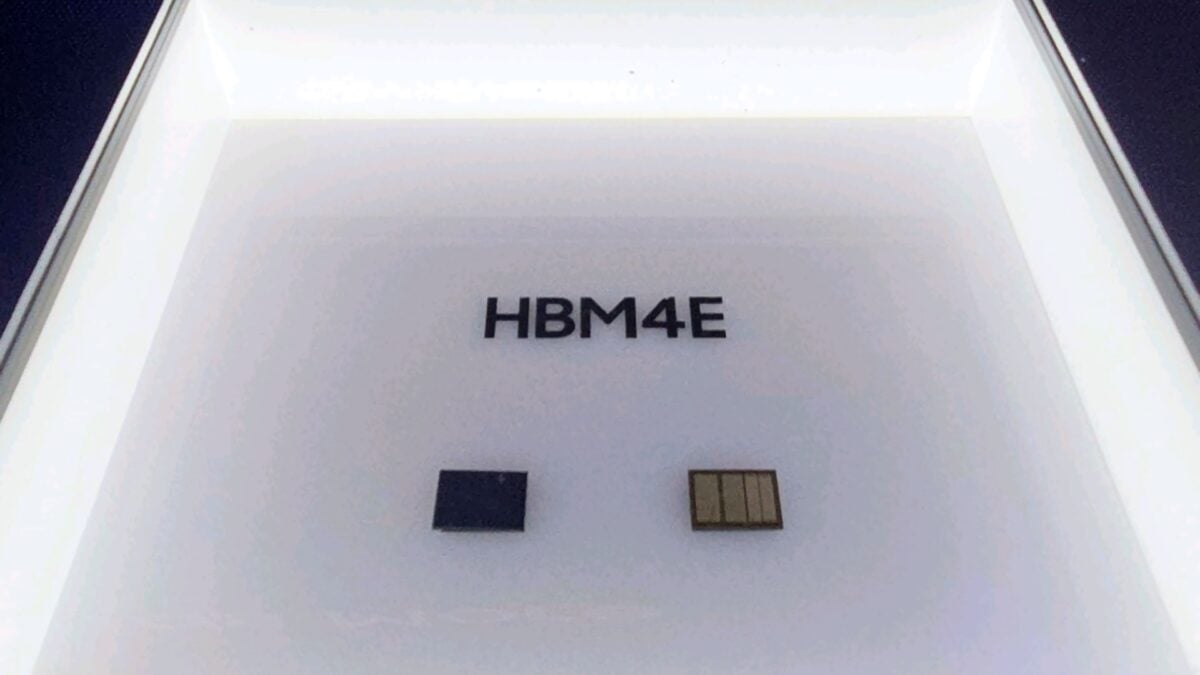
Leading memory manufacturers are currently navigating a highly profitable era by adjusting price points to reflect the scarcity of high-end components. Samsung, a dominant force in the global memory sector, has successfully capitalized on this trend, positioning itself to see its high-bandwidth memory (HBM) revenue triple compared to previous yearly cycles. This strategic move aligns with the broader industry trajectory where AI memory chips are becoming the most sought-after commodities in tech.
Strategic Partnerships and Market Dominance
Recent market intelligence reports indicate that by Q1 2026, Samsung's financial intake from its HBM division will dwarf its 2025 performance. This acceleration is largely attributed to the successful rollout of HBM3E technology and a significant strengthening of the supply chain link with Nvidia, the world's leading provider of AI processing units.
The scale of this growth is further highlighted by the fact that Samsung’s production capacity for standard DRAM chips is already fully committed for the next year. With orders for Samsung HBM continuing to climb, the company is on track to post an operating profit of approximately $26.33 billion for the quarter. Investors and tech enthusiasts are now looking toward the official earnings call scheduled for next week to confirm these record-breaking figures.
What is driving the massive surge in Samsung's memory revenue?
The primary driver is the explosive growth of artificial intelligence, which requires specialized high-bandwidth memory (HBM) to function efficiently. As AI companies scale their infrastructure, they are turning to Samsung to provide the necessary hardware at a premium.
Which specific technology is at the forefront of this growth?
Samsung's HBM3E chips are the current stars of the portfolio. These high-bandwidth memory modules are specifically designed to handle the intense data throughput required by modern AI accelerators and large language models.
How is Nvidia involved in Samsung's financial success?
Nvidia is a major customer for Samsung’s memory products. The sharp rise in the supply of HBM chips to Nvidia for their AI GPUs has significantly boosted Samsung's revenue and market share in the high-end semiconductor space.
What is the status of Samsung's standard DRAM production?
Demand is so high that Samsung’s production of conventional DRAM chips for the upcoming year is already reportedly sold out. This scarcity across both standard and specialized memory products is driving higher prices and record profits.
🔎 As we move into 2026, Samsung’s pivot toward high-margin AI components appears to be paying off spectacularly. By aligning its production capabilities with the needs of AI giants like Nvidia, the company has not only secured its financial future but has also cemented its role as an essential pillar of the global AI infrastructure. The anticipated tripling of HBM revenue is a clear signal that the AI era is only just beginning to show its true economic power.
Post a Comment