
Revolutionizing Mobile Customization: Samsung Explores AI-Powered "Vibe Coding" for Future Galaxy Devices
Samsung's latest generation of Galaxy AI smartphones is designed to empower users by drastically reducing the friction in human-phone interactions. The core philosophy is simple: your phone should leverage your personal data to deduce exactly what you need before you even ask for it. While Generative AI already excels at creating stunning photos, editing complex images, and translating languages in real-time, Samsung is now looking toward a far more ambitious horizon: "vibe coding," or the ability to ask your AI to build entire applications for you.
- ✨ Samsung is actively investigating "vibe coding" as a future feature for Galaxy smartphones.
- ✨ Vibe coding allows users to create apps and services simply by describing their vision to an AI.
- ✨ This technology goes beyond "Modes and Routines," offering deep-level code modification and app behavior customization.
- ✨ The Galaxy S26 and One UI 8.5 serve as the current foundation for these upcoming AI advancements.
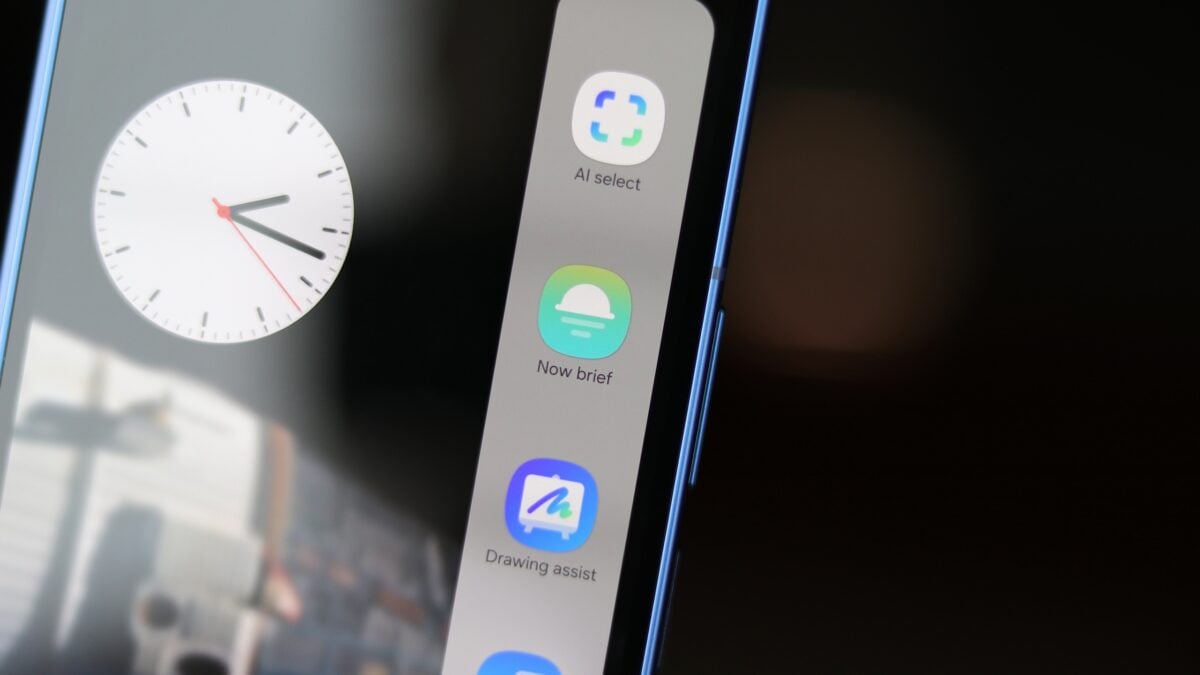
The Shift from Pre-made Tools to Personalized Creation
Currently, none of Samsung's existing AI tools are capable of performing high-level software development. However, the company has not ruled out a future where Galaxy users can code using nothing but their voice or text prompts. In fact, Won-Joon Choi, the COO of Samsung’s Mobile eXperience division, recently confirmed that the company is exploring this very possibility. This concept, known as "vibe coding," is the practice of telling an AI what kind of service or app you want to build and letting the Large Language Model (LLM) handle the technical heavy lifting.
As Generative AI models continue to improve at an exponential rate, vibe coding is gaining massive popularity. In a recent discussion regarding the future of the Samsung Galaxy ecosystem, Choi noted that while users are currently restricted to pre-made tools, vibe coding could eventually grant them the power to customize their digital experience with surgical precision.
"So vibe coding is very interesting, and something we’re looking into." — Won-Joon Choi
Beyond Modes and Routines: A New Level of Control
For years, Samsung users have utilized "Modes and Routines," a robust "If This Then That" (IFTTT) platform. While Routines are excellent for triggering predefined tasks—such as silencing your phone at night or opening Spotify when you connect to your car's Bluetooth—they are inherently limited by their presets. Vibe coding represents a quantum leap forward. Instead of just triggering a task, a user could theoretically modify the underlying behavior of an application or even update its code to suit a specific, niche need.
This vision promises a future where mobile experiences are deeply personal. While we may be a few years away from this technology becoming a standard feature in One UI 8.5 or later versions, it provides a compelling look at Samsung's long-term AI ambitions. Currently, the Galaxy S26 stands as the most advanced AI phone available, introducing several upgraded features that set the stage for what is to come.
| Feature Type | Current AI Tools | Future Vibe Coding |
|---|---|---|
| Functionality | Pre-defined tasks and edits | Custom app generation |
| User Input | Selecting options | Natural language descriptions |
| Customization | Surface level | Deep code-level changes |
The Road to the Galaxy S26 and Beyond
The evolution of the Galaxy AI platform is not slowing down. With the release of the Galaxy S26, Samsung has already refined how users interact with their devices. As the software ecosystem transitions into future iterations, the integration of interactive coding tools could democratize app development, allowing anyone—regardless of technical background—to become a creator. The journey toward this "vibe-coded" future is just beginning, but the foundation is being laid today
What exactly is "vibe coding" in the context of Samsung phones?
Vibe coding refers to using generative AI to create or modify applications and software services through natural language prompts. Instead of writing manual code, a user tells the Galaxy AI what they want the app to do, and the AI generates the necessary programming to make it function.
How is this different from Samsung's current "Modes and Routines"?
Modes and utines allow users to automate existing features based on specific triggers (like time or location). Vibe coding goes much deeper, potentially allowing users to create entirely new functionalities or modify how an app works "under the hood" by changing its actual code structure via AI.
When can we expect to see these AI coding features on Galaxy devices?
While Samsung executives have expressed great interest and confirmed they are "looking into it," the technology is likely several years away from being a polished consumer feature. However, incremental steps toward this goal may appear in upcoming One UI updates.
Do I need to be a programmer to use vibe coding?
No, that is the primary benefit of the technology. Vibe coding is designed for everyday users, allowing them to translate their "vibe" or idea into a working digital tool without needing to learn complex programming languages like Java or Python.
Will the Galaxy S26 receive these features via an update?
The Galaxy S26 is currently the most advanced platform for Galaxy AI. While full vibe coding might not arrive immediately, the S26 will likely be among the first devices to test experimental AI creation tools as Samsung continues to evolve its software through One UI 8.5 and beyond.
🔎 In conclusion, Samsung's exploration into vibe coding signals a transformative shift in the mobile industry. By moving away from rigid, pre-installed tools and toward a fluid, AI-driven creation environment, the company is positioning the Galaxy ecosystem as a hub for ultimate personal expression. While the full realization of this vision is a few years off, the prospect of building your own apps just by describing your "vibe" is a thrilling glimpse into the future of mobile technology.
Post a Comment