
Samsung and AMD Forge Historic AI Chip Partnership: A Strategic Shift in Semiconductor Manufacturing
The global semiconductor landscape is witnessing a monumental shift as Samsung Electronics leverages its cutting-edge memory technology to break into AMD's logic chip supply chain. For years, AMD has maintained a strict manufacturing hierarchy, relying almost exclusively on TSMC for its most advanced processors. However, a new strategic agreement suggests that the tides are turning, potentially positioning Samsung as a primary manufacturer for AMD's next generation of high-performance silicon.
- ✨ **Strategic Leverage:** Samsung is utilizing its high-demand HBM4 memory supply as a bargaining tool to win foundry contracts.
- ✨ **Breaking the Monopoly:** This deal marks the first time AMD may use Samsung Foundry for its advanced logic chip production.
- ✨ **Next-Gen Tech:** The partnership focuses on 2nm and 4nm process nodes to compete with AI giants like Nvidia.
- ✨ **Growing Momentum:** Samsung Foundry is rebounding with major wins from Tesla, Qualcomm, and now AMD.
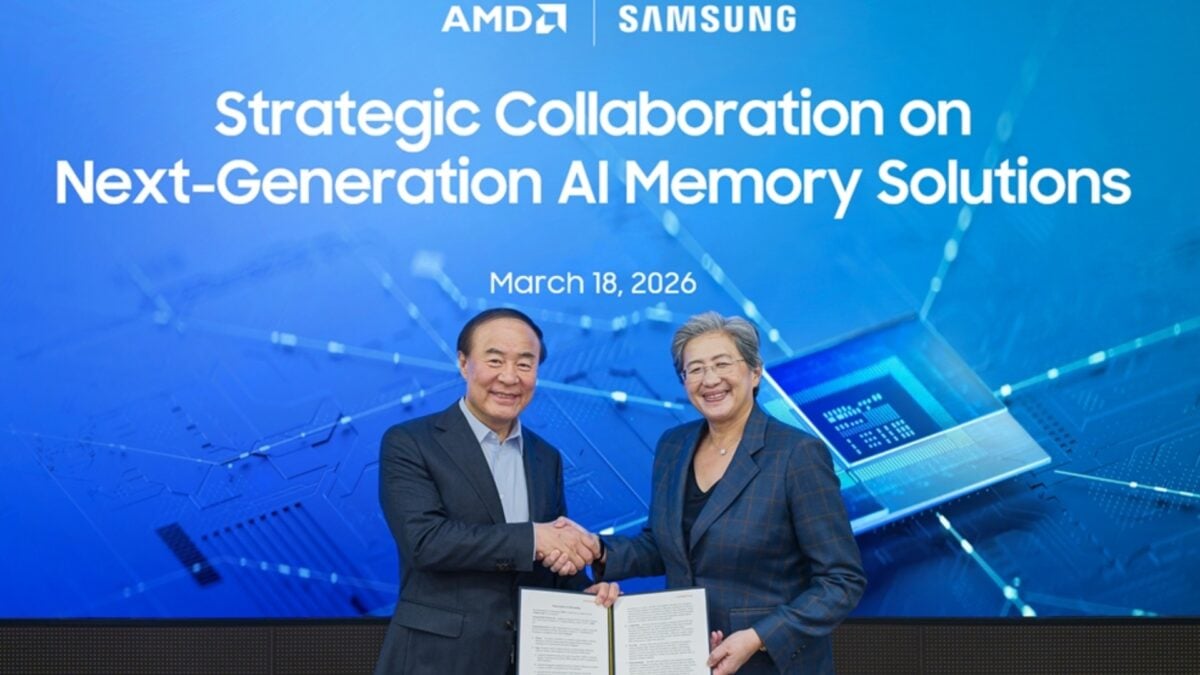
The HBM4 Bargaining Chip: A New Era of Cooperation
Recent industry intelligence indicates that AMD has officially committed to integrating Samsung’s sixth-generation high-bandwidth memory, known as HBM4 Memory, into its upcoming flagship AI accelerator systems. While this partnership was initially viewed as a standard component supply deal, new reports suggest a much deeper integration. Samsung is reportedly using its status as a premier HBM4 provider to secure a portion of AMD’s contract chip manufacturing business.
According to a detailed report from Chosun Biz, AMD CEO Lisa Su recently met with Jeon Young-hyun, the head of Samsung’s Device Solutions division. The discussion centered on a "quid pro quo" arrangement: Samsung ensures a steady and increased supply of vital HBM4 chips, while AMD agrees to shift a segment of its logic chip fabrication to Samsung Foundry. .
Challenging the TSMC Dominance in AI Accelerators
Historically, AMD has maintained a long-standing reliance on TSMC for its most critical processors, using GlobalFoundries only for legacy or less sensitive components. The collaboration with Samsung has previously been limited to memory modules and mobile GPU development for Exynos processors. However, the explosive growth of the AI market has changed the power dynamics. With companies like Nvidia and Broadcom vying for every available HBM chip, AMD’s need for guaranteed memory supply has given Samsung significant leverage.
Samsung's foundry business is currently experiencing a powerful resurgence. After navigating challenges with its 3nm node, the company successfully secured a massive $16.5 billion contract to produce 2nm AI chips for Tesla. This success, combined with the successful demonstration of the Exynos 2600 on the 2nm process, has bolstered confidence among global tech leaders. Rumors suggest that even Qualcomm is eyeing Samsung’s 2nm node for a future flagship Snapdragon processor, further validating the tech giant's progress.
Beyond the 2nm frontier, Samsung Foundry is already proving its worth in the 4nm space by producing Groq 3 LPU chips for Nvidia. By diversifying its client base to include AMD’s logic chips, Samsung is not just selling components; it is positioning itself as an essential architect of the AI revolution. This strategic pivot ensures that Samsung remains at the heart of the high-performance computing market for years to come.
Why is AMD suddenly interested in Samsung's manufacturing instead of TSMC?
While TSMC remains a leader, the extreme demand for AI chips has led to capacity constraints. Additionally, Samsung’s ability to provide both the HBM4 memory and the foundry services (a "one-stop-shop" model) offers AMD better supply chain security and potentially better pricing leverage during the current AI chip shortage.
What exactly is HBM4 and why does it matter so much?
HBM4 is the sixth generation of High Bandwidth Memory. It is essential for AI accelerators because it provides the massive data speeds required for Large Language Models (LLMs) to function efficiently. Without a steady supply of HBM4, AMD's AI GPUs cannot compete with Nvidia's hardware.
Which manufacturing nodes will Samsung use for AMD?
While specific product lines haven't been confirmed, industry analysts expect the collaboration to focus on Samsung's advanced 4nm and upcoming 2nm nodes. These processes are designed for high-efficiency, high-performance computing tasks required for modern data centers.
Does this mean Samsung is catching up to TSMC?
Samsung is making significant strides, especially with its 2nm technology and its "Turnkey" solution (combining memory and foundry). While TSMC still holds a larger market share, Samsung’s recent wins with Tesla, Nvidia, and now potentially AMD, suggest the gap is closing in the high-end segment.
🔎 This partnership between Samsung and AMD represents a masterstroke in corporate strategy. By tying the availability of essential memory components to foundry contracts, Samsung has successfully bypassed traditional market barriers. For AMD, the move provides a vital lifeline in the race for AI supremacy, ensuring they have the hardware necessary to challenge the status quo. As these two titans align their interests, the semiconductor industry enters a new era of diversified, high-stakes innovation.
Post a Comment