
Samsung Display Dominates Supply Chain for Apple’s New iPhone 17e OLED Screens
Samsung Display continues to assert its dominance as the world’s leading and most innovative manufacturer of OLED technology. The company has once again secured a massive contract, supplying millions of high-quality **OLED panels** for Apple’s latest devices, including various iPhone and iPad models. According to the latest industry reports, Samsung has captured the lion's share of orders for the newly announced budget-friendly iPhone 17e, outperforming its competitors by a significant margin.
Article Highlights:
- ✨ Samsung Display secures 50% of the total OLED panel orders for the iPhone 17e.
- ✨ Rival manufacturers LG Display and BOE trail behind with smaller order volumes.
- ✨ Apple continues to rely on Samsung due to consistent quality and production reliability.
- ✨ The iPhone 17e features a 6.1-inch display and the powerful 3nm A19 processor.
Samsung Display Beats Rivals for iPhone 17e Orders
A detailed report from TheElec reveals that **Samsung Display** provided approximately 11 million OLED panels for the iPhone 16e last year, which represented half of the total production volume. In comparison, LG Display contributed 7.5 million units, while the Chinese manufacturer BOE managed only 3.5 million units. Industry insiders suggest that this same supply chain structure and similar order ratios will be maintained for the production of the **iPhone 17e**.
Historically, Apple has attempted to diversify its suppliers by increasing BOE’s share of the orders to reduce its heavy reliance on Samsung. However, these efforts have faced hurdles, as the Chinese firm repeatedly struggled to meet Apple’s strict quality standards. Following several failed attempts by BOE to deliver consistent results, Apple ultimately decided to increase Samsung Display’s responsibility within the supply chain to ensure a smooth product launch.
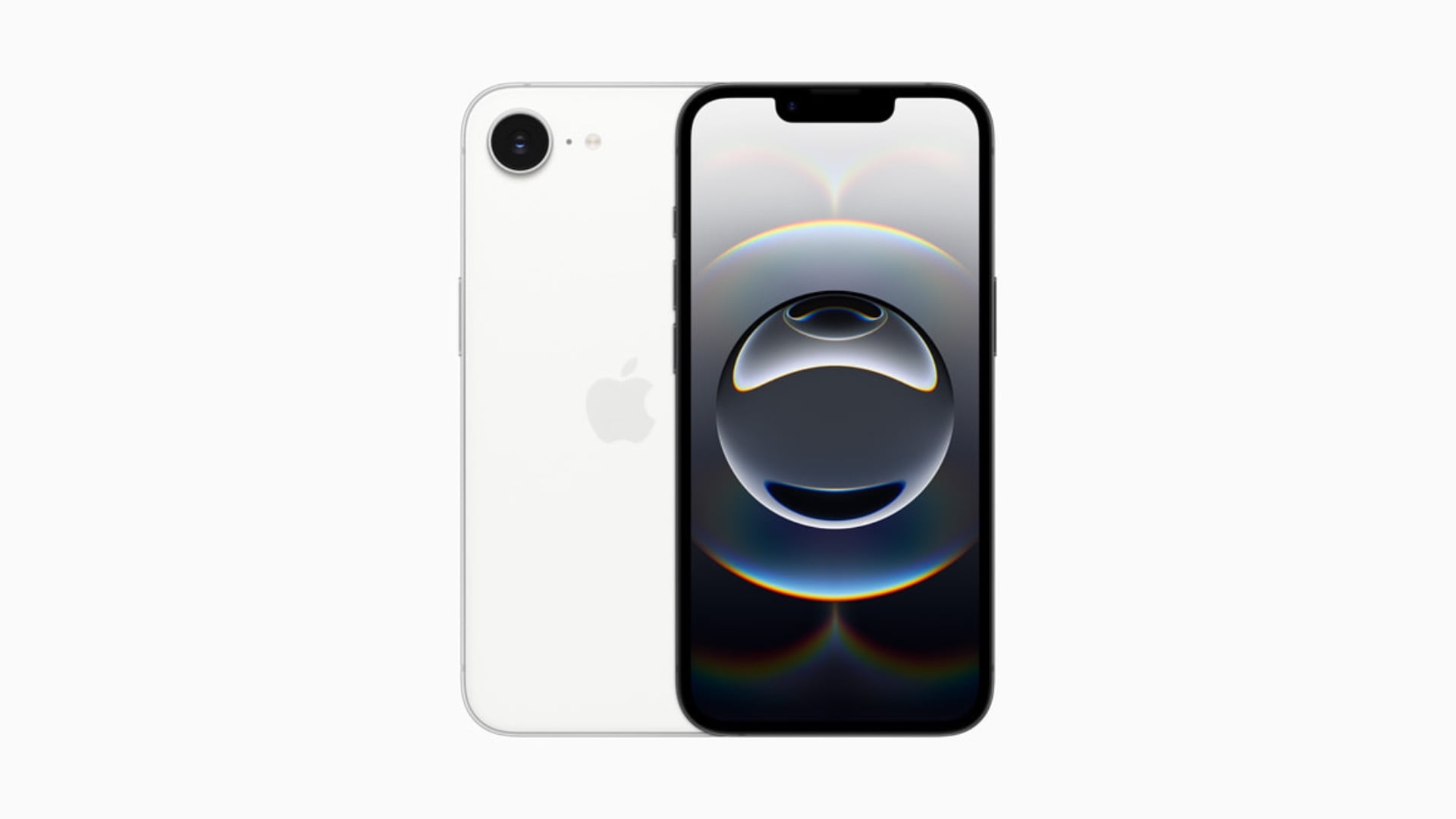
Specifications and Market Positioning
Apple traditionally utilizes more cost-effective OLED technology paired with modern A-series processors for its entry-level smartphones. The iPhone 17e, which was officially unveiled last week, boasts a 6.1-inch OLED screen with a standard 60Hz refresh rate and a peak brightness of 1,200 nits. Under the hood, the device is powered by the cutting-edge 3nm A19 processor, supported by 8GB of RAM. The camera setup includes a 12MP front-facing lens and a high-resolution 48MP rear camera featuring Optical Image Stabilization (OIS).
In the United States, the 256GB version of the iPhone 17e is priced at $599. This makes it roughly $50 more expensive than its direct competitor, the Samsung Galaxy A56. While the iPhone offers superior raw performance, better overall camera quality, and premium features like Emergency SOS and wireless charging, the Galaxy A56 counters with a more fluid high-refresh-rate display, an ultrawide camera, a larger battery capacity, and significantly faster charging speeds.
How many OLED panels is Samsung supplying for the iPhone 17e?
Samsung Display is expected to supply approximately 50% of the total volume, which translates to millions of units, maintaining its position as the primary screen provider for Apple's entry-level model.
Why does Apple prefer Samsung Display over other manufacturers?
While Apple tries to use other suppliers like BOE to lower costs, Samsung remains the preferred choice because it consistently meets the high-quality standards and massive production volumes required for the iPhone series.
What are the main display features of the iPhone 17e?
The iPhone 17e features a 6.1-inch OLED panel. It has a 60Hz refresh rate and can reach a peak brightness of 1,200 nits, making it a reliable but standard display for a budget-friendly device.
How does the iPhone 17e compare to the Samsung Galaxy A56?
The iPhone 17e offers faster processing power and better camera optimization, but the Galaxy A56 provides a better value with a smoother high-refresh-rate screen, faster charging, and a more versatile camera system at a lower price point.
🔎 In conclusion, Samsung Display's continued partnership with Apple highlights the technological gap that still exists between Samsung and its competitors. While Apple seeks to broaden its supplier base, the reliability and innovation of Samsung's OLED technology remain unmatched. As the iPhone 17e hits the market, it will be interesting to see how consumers weigh the raw power of Apple's silicon against the more feature-rich hardware offerings found in Samsung's own mid-range Galaxy devices.
Post a Comment