
Samsung Dominates Apple's Supply Chain: High-Yield OLED Production for MacBook Pro Begins
The transition of Apple’s MacBook Pro lineup to OLED technology represents a massive shift in the laptop market, creating a lucrative opening for elite display manufacturers. Among the industry giants, Samsung Display has emerged as the frontrunner, positioning itself to handle the high-volume, high-stability demands of the tech giant from Cupertino. As Apple looks to modernize its hardware, the partnership with Samsung is proving to be a cornerstone of its future display strategy.
- ✨ Samsung Display has reached an impressive 70-80% production yield for Apple's upcoming OLED panels.
- ✨ Mass production is slated to begin at the 8.6-generation facility in South Korea by June or July.
- ✨ The company will initially be the exclusive supplier for the 14-inch and 16-inch OLED MacBook Pro models.
- ✨ Samsung is expected to deliver between 2 to 3 million high-end panels in the first phase of production.
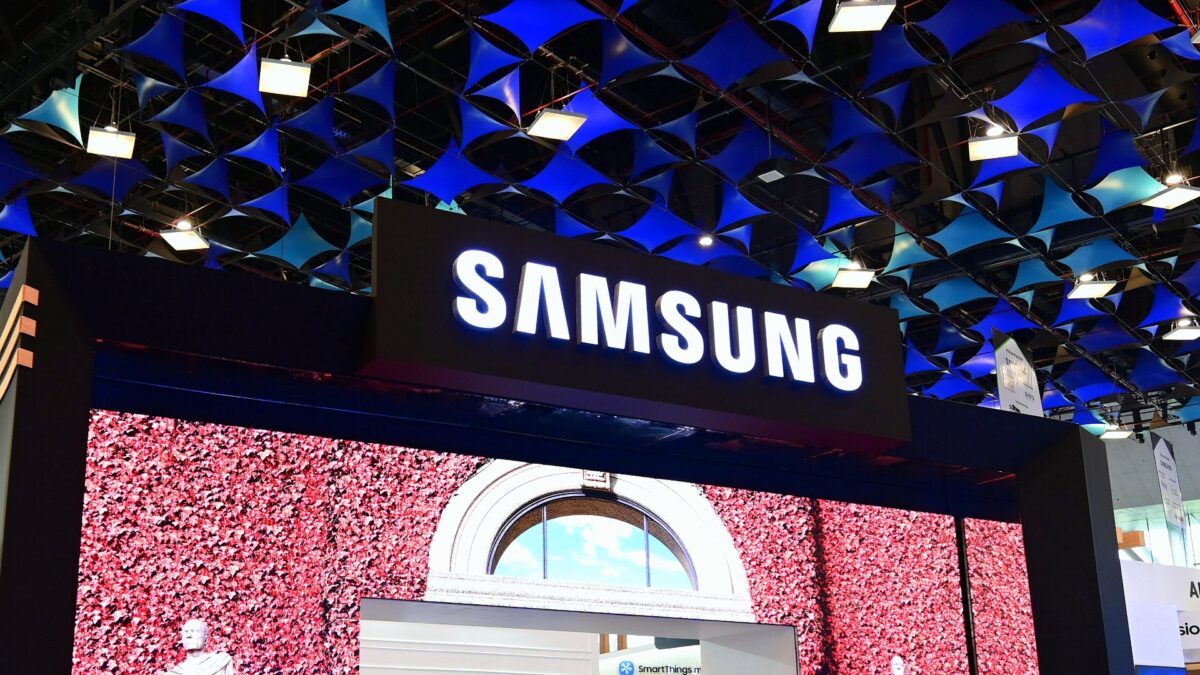
Recent industry insights confirm that Samsung Display is not just a participant but the primary architect of the MacBook Air's OLED future. Reports from the production floor indicate that the manufacturing process is currently operating in a "flow state," with technical hurdles being cleared faster than anticipated. This efficiency is critical for maintaining the tight release windows Apple is known for.
High Yields and Imminent Mass Production
According to reports from Korean media outlets, Samsung has achieved a projected mass production yield exceeding 70% during trial runs. These tests, conducted at the 8.6-generation OLED facility in Asan, South Korea, are now seeing yields climb toward the 80% mark. In the world of display manufacturing, hitting these numbers during trials is considered a significant breakthrough, ensuring that waste is minimized and profitability is maximized.
The atmosphere within the Asan facility is reportedly optimistic. With no major technical bottlenecks in sight, the transition from pilot testing to full-scale mass production is expected to happen on schedule. This timeline places the start of the manufacturing cycle in the early summer months, likely between June and July of this year.
Apple’s reliance on Samsung’s 8.6-generation panels is a strategic move. The tech giant is expected to utilize these screens for its flagship 14-inch and 16-inch MacBook Pro models. Because Samsung Display is currently the only manufacturer capable of meeting these specific quality and volume requirements, they will serve as the sole provider during the initial launch phase, supplying millions of units to power the next generation of professional laptops.
While competitors like China’s BOE are aggressively pursuing the same 8.6-generation market, they are currently trailing behind in the race. Samsung’s established infrastructure and recent yield successes suggest that they will maintain their market dominance for the foreseeable future, leaving rivals to play catch-up in the high-end OLED segment.
What makes Samsung's 8.6-generation OLED panels different?
The 8.6-generation production line uses larger glass substrates compared to previous generations. This allows Samsung to cut more panels from a single sheet of glass, significantly increasing efficiency and reducing the cost of manufacturing large screens for laptops like the MacBook Pro.
Why is a 70-80% yield considered an "impressive feat"?
In high-tech display manufacturing, early-stage yields are often much lower due to the complexity of the organic layers. Reaching 80% means that only a small fraction of the panels are defective, which is vital for meeting Apple's strict quality standards and ensuring a stable global supply.
Will the new OLED MacBook Pro be available this year?
While mass production of the panels starts in mid-2026, the actual product launch depends on Apple's internal assembly and shipping schedules. However, the steady supply of screens from Samsung makes a launch in late 2026 or early 2027 highly probable.
Is Samsung the only company supplying these screens?
Initially, yes. While other companies like BOE are trying to enter the supply chain, Samsung Display's current technological lead and high yields make them the sole reliable partner for Apple's first wave of OLED MacBook Pros.
🔎 The partnership between Samsung and Apple continues to redefine the boundaries of display technology. By securing high yields early in the production cycle, Samsung has not only solidified its position as a market leader but has also paved the way for a new era of visual excellence in the computing world. As we look toward the summer, all eyes will be on the Asan facility to see these cutting-edge displays move from the lab to the laptops of millions of users worldwide.
Post a Comment