
Samsung Galaxy A57 Display Revolution: Is the Return of Super AMOLED+ a Game Changer?
The tech world is buzzing with the release of the Samsung Galaxy A57, a device that arrives with several unexpected features. Perhaps the most intriguing among them is the inclusion of a Super AMOLED+ display. This move marks a significant shift, as it replaces the Super AMOLED panel found on its predecessor, signaling a return to a technology many thought Samsung had moved away from in its mid-range lineup.
- ✨ The reintroduction of Super AMOLED+ technology, a panel type not seen in the A-series since 2022.
- ✨ A deep dive into the historical differences between RGB subpixel arrangements and modern Diamond PenTile layouts.
- ✨ Analysis of the A57’s high-performance specs, including a 120Hz refresh rate and 1,900 nits peak brightness.
- ✨ Physical design upgrades featuring thinner, symmetrical bezels for a more premium aesthetic.
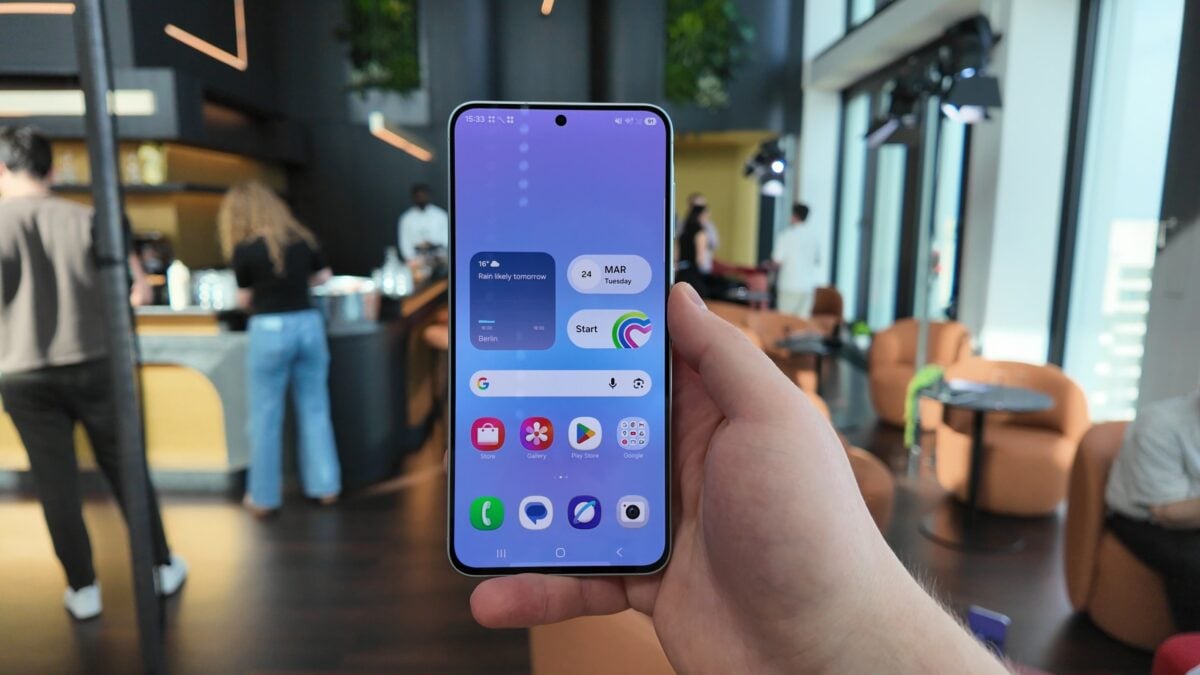
This sudden pivot is quite unexpected. For the past few years, Samsung appeared to have shelved the "Plus" variant of its AMOLED technology. One of the last notable devices to feature Super AMOLED+ was the Galaxy A73, which made its debut back in March 2022. Since then, the "Plus" branding had largely vanished from the company's smartphone marketing materials.
In essence, Samsung’s decision to revive Super AMOLED+ for the Galaxy A57 has caught many enthusiasts by surprise. The big question remains: how much of an actual impact does this hardware change have on the user experience? Determining whether this is a genuine upgrade or a clever marketing rebrand is complex, especially considering how display technology has matured over the last decade.
The Legacy: Super AMOLED vs. Super AMOLED+
To understand the current situation, we have to look back roughly 15 years when Samsung first introduced Super AMOLED+ as a premium successor to the standard Super AMOLED. At that time, the fundamental difference lay in the subpixel arrangement. Standard Super AMOLED utilized a PenTile layout, whereas the "Plus" version boasted an RGB Stripe arrangement.
Historically, the RGB Stripe made images appear significantly sharper and provided better energy efficiency. However, the gap between these technologies was much more pronounced in the early days of mobile displays. Today, the landscape is different. Most modern high-end Samsung panels utilize a sophisticated "Diamond PenTile" layout, which has largely mitigated the clarity issues of the past.
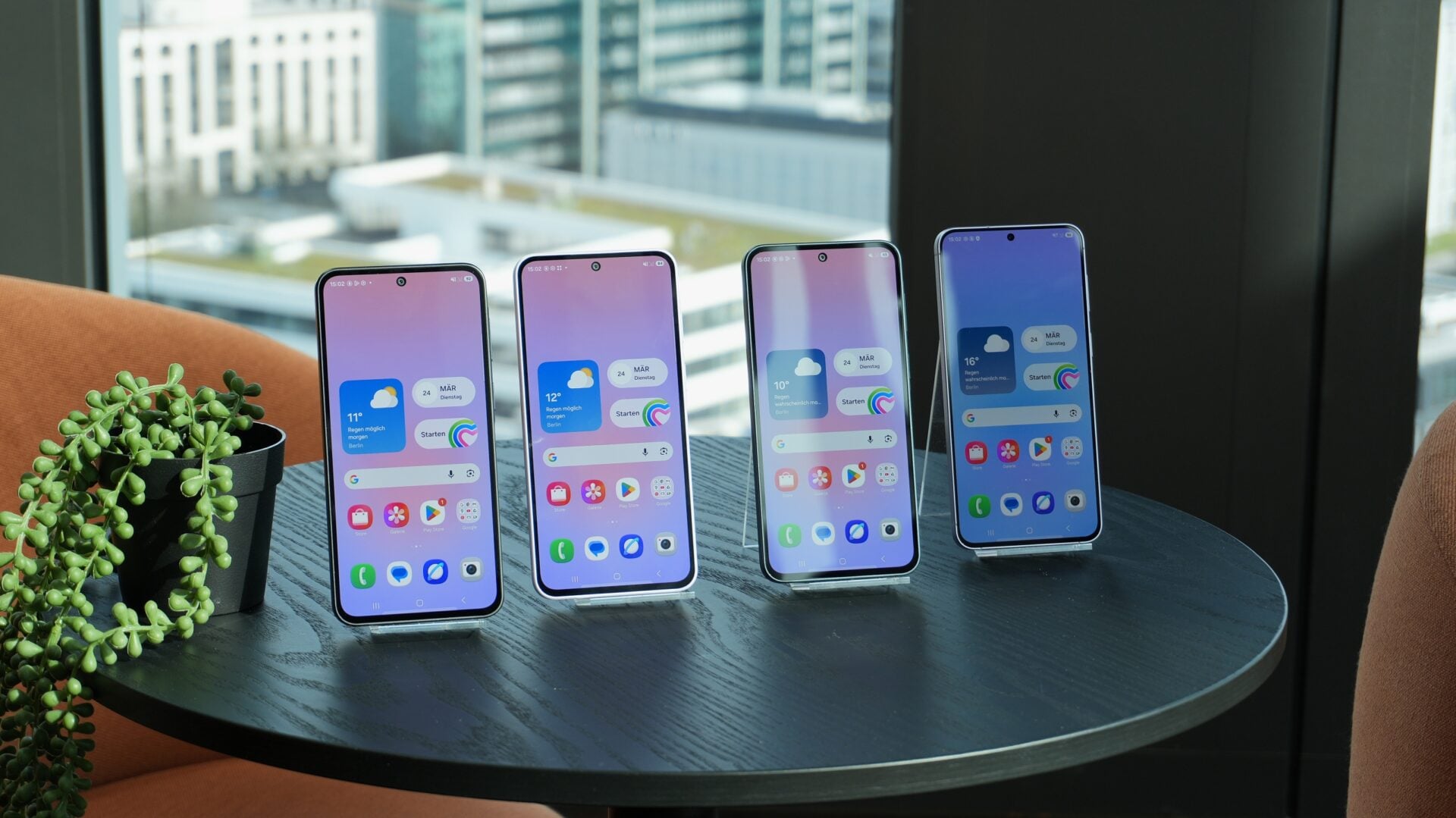
Comparing these two display types today is a vastly different experience than it was over a decade ago. While theory suggests that AMOLED+ should be superior, the practical, visible difference to the naked eye has become increasingly subtle. Interestingly, the Galaxy A57 maintains the same impressive 120Hz refresh rate and the staggering 1,900 nits of peak brightness found on the previous generation, making the hardware transition feel more like an incremental refinement.
Even if the shift to Super AMOLED+ turns out to be more of a branding exercise than a revolutionary hardware leap, the Galaxy A57 provides other very real display enhancements. Users will immediately notice the significantly thinner bezels surrounding the screen. While the device does retain a slight "chin" at the bottom, it is noticeably more slender than before. Furthermore, the top and side bezels are now thinner and perfectly symmetrical, giving the phone a much more modern and high-end appearance.
What exactly is the difference between the new Super AMOLED+ and the older Super AMOLED?
In the past, the "Plus" designation meant an RGB Stripe subpixel arrangement instead of a PenTile layout, resulting in a crisper image. On the Galaxy A57, while it carries the "Plus" name, the actual visual difference may be less dramatic than in previous years due to the extremely high quality of modern Diamond PenTile panels.
Does the Galaxy A57 offer a brighter screen than the A56?
The Galaxy A57 maintains a peak brightness of 1,900 nits, which is consistent with the high standards set by the A56. This ensures excellent visibility even under direct sunlight, regardless of the change in panel branding.
Are the bezels on the Galaxy A57 actually thinner?
Yes, one of the most tangible upgrades on the Galaxy A57 is the reduction in bezel size. The side and top bezels are now slimmer and symmetrical, and while a small bottom chin remains, it is thinner than that of the previous model.
Is the 120Hz refresh rate still available on this new display?
Absolutely. The Galaxy A57 continues to support a 120Hz refresh rate, providing the smooth scrolling and fluid animations that users have come to expect from Samsung’s premium mid-range devices.
🔎 Ultimately, the return of Super AMOLED+ to the Samsung lineup via the Galaxy A57 represents a fascinating blend of nostalgia and modern engineering. While the technical distinctions of subpixel layouts might not be as jarringly obvious as they were fifteen years ago, the combination of this refined display tech with significantly improved aesthetics—such as the thinner, symmetrical bezels—makes the A57 a compelling choice. Whether it is a revolutionary leap or a steady evolution, the result is a stunning visual experience that continues to push the boundaries of what a mid-range smartphone can offer.
Post a Comment