
Samsung Galaxy Evolution: How Lossless Bluetooth Audio Will Redefine Your Listening Experience
While modern Galaxy phones and Samsung tablets currently offer high-quality audio through various codecs like aptX, SSC, and SSC UHQ, they have yet to achieve the gold standard of truly lossless audio. However, a significant shift is on the horizon. The Bluetooth SIG is actively developing a suite of new audio technologies that promise high-resolution and lossless sound natively, eliminating the reliance on expensive third-party proprietary codecs.
- ✨ Native support for lossless and high-resolution audio without licensing fees.
- ✨ Significant speed boosts up to 8Mbps using Bluetooth Low Energy.
- ✨ Enhanced Auracast capabilities for better accessibility in hearing aids.
- ✨ Ultra-low latency for gaming, targeting polling rates up to 1000Hz.
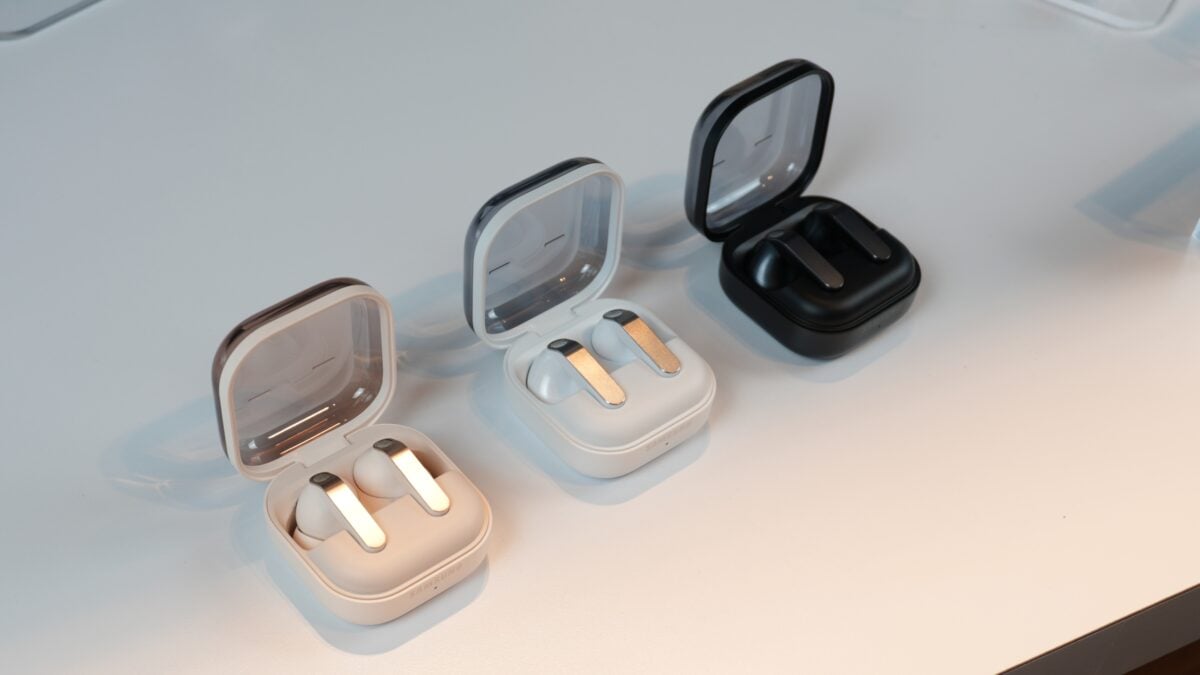
The Bluetooth SIG, the governing body responsible for the development and licensing of Bluetooth standards, has Click here for the official development specs that it is working on several major enhancements scheduled for future release.
Native Integration of High-Resolution and Spatial Audio
One of the most exciting developments is the inclusion of native support for high-resolution, lossless, and spatial audio directly within future Bluetooth versions. This roadmap also includes surround sound and advanced sound exposure monitoring. By integrating these features natively, the Bluetooth SIG aims to simplify the ecosystem for manufacturers and consumers alike.
Currently, technologies like aptX Lossless and LDAC require wireless earbuds manufacturers to pay substantial licensing fees. If the Bluetooth SIG successfully brings native lossless support to the standard, these costs could be eliminated. This change would allow brands to produce high-end headphones and earbuds at more affordable price points while maintaining premium sound quality.
Furthermore, improvements to Auracast’s coverage and capacity are underway. The Bluetooth SIG is standardizing methods for audio devices without displays, such as Bluetooth hearing aids. This will enable these devices to connect to public or private audio broadcasts with much greater ease, enhancing accessibility for millions of users.

Revolutionizing Speed, Latency, and Voice Assistants
The future of Bluetooth also involves deeper integration with voice assistants. Features are being developed to allow Alexa, Bixby, Gemini, and others to be embedded into Bluetooth technology more seamlessly. This will be a major boon for brands that want to offer smarter, more responsive wearable tech.
Data transfer is also getting a massive upgrade. By utilizing Bluetooth Low Energy (LE) with the High Data Throughput PHY mode, speeds could reach up to 8Mbps. This is a significant jump from the current 2Mbps limit found in Bluetooth 5.x versions, allowing for faster synchronization and richer data exchange between devices.
Additionally, the Bluetooth SIG is exploring the unlicensed mid-band spectrum, including 5GHz and 6GHz, much like Wi-Fi. Operating in these bands could drastically improve performance and reduce congestion in crowded environments. For gamers, the focus is on reducing latency to match wired connections, with plans to support polling rates up to 1000Hz. This would make wireless controllers and mice as responsive as their wired counterparts, which is critical for the evolving AR, MR, and VR landscapes.
While it remains unclear exactly which Bluetooth version will debut these features or when they will reach the consumer market, the sheer scale of innovation currently in progress is remarkable. These updates will undoubtedly make the Bluetooth standard more flexible, powerful, and essential than ever before.
What exactly is lossless audio in the context of Bluetooth?
Lossless audio refers to a digital format that preserves all the original data from a studio recording. In Bluetooth, this means the audio is transmitted without the typical compression that removes subtle details to save bandwidth, resulting in a much richer and more accurate listening experience.
How will native support make earbuds cheaper?
Currently, manufacturers must pay royalties to companies like Qualcomm or Sony to use high-end codecs like aptX or LDAC. By making these features a native part of the Bluetooth standard, manufacturers can implement high-quality audio without those extra costs, potentially lowering the retail price of the products.
What are the benefits of Bluetooth using 5GHz and 6GHz frequencies?
The 2.4GHz band used by current Bluetooth is often crowded with interference from Wi-Fi and microwaves. Moving to the 5GHz and 6GHz bands provides more "room" for data, leading to more stable connections, less interference, and higher overall performance.
Will these updates improve gaming on my Samsung device?
Yes, specifically through reduced latency. By targeting 1000Hz polling rates, the delay between a button press and the action on screen becomes virtually imperceptible, making wireless gaming feel as fast and responsive as using a wired controller.
🔎 The evolution of Bluetooth technology is set to bridge the gap between wireless convenience and high-fidelity performance. As the Bluetooth SIG continues to refine these native capabilities, future Galaxy users can look forward to a world where "wireless" no longer means "compromise." Whether it is through crystal-clear lossless music, lower latency for competitive gaming, or better accessibility through Auracast, the next generation of Samsung devices will likely set a new benchmark for mobile audio and connectivity.
Post a Comment